High camp and queer club style
Clubs offered room to experiment with gender, proportion and self-presentation. London’s theatrical looks record one part of the many ways queer communities used dress.
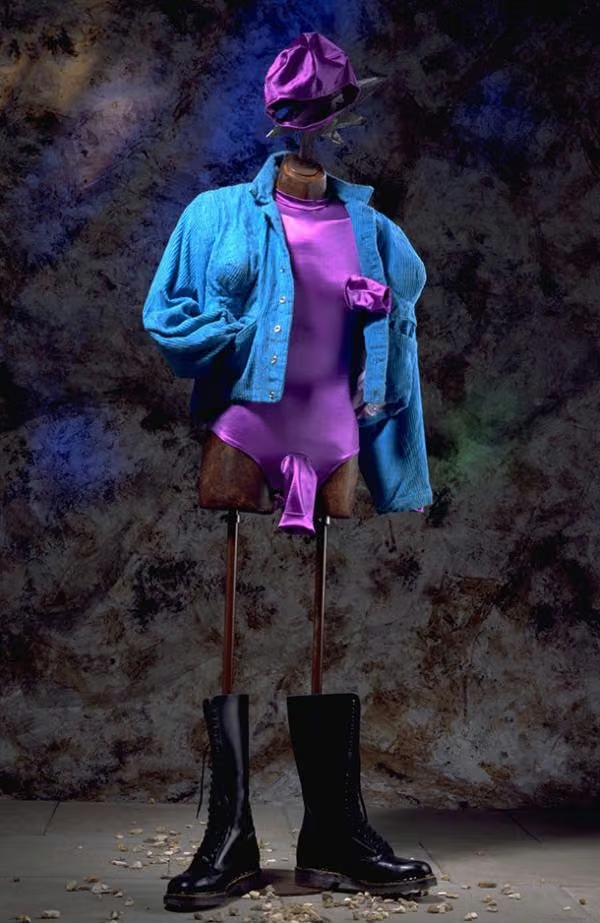
Club ensemble by Leigh Bowery
Leigh Bowery · 1988
The V&A documents this 1988 ensemble as an example of gay club style. Its altered proportions and bright palette show Bowery’s use of clothes to transform the body.
Materials: Turquoise corduroy jacket with silk lining; other component materials not specified in the article
Explore the original record © Victoria and Albert Museum, LondonAbout High camp and queer club style
Queer clubs made dressing a form of performance, experimentation and community. In London, venues such as Heaven and Leigh Bowery’s Taboo encouraged looks that unsettled everyday expectations of the body and gender. High camp used exaggeration, artifice and playful theatricality; it was one strand within a much broader range of queer styles. Bowery’s altered proportions and custom-made outfits exemplify the creative exchange between club life, performance art and fashion. These histories should not be reduced to New Romantic dressing or a single silhouette.