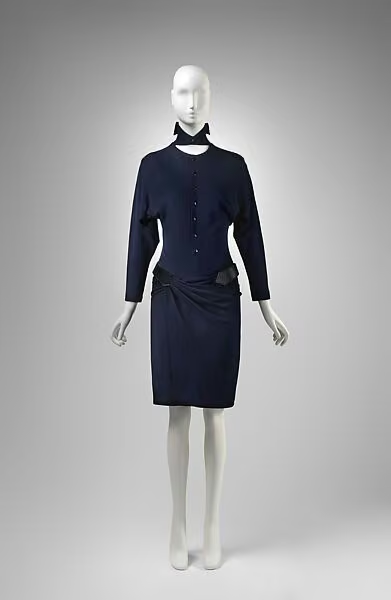
Dress
Azzedine Alaïa · ca. 1990
Azzedine Alaïa approached dressmaking as a transformation of flat cloth into sculpture. He combined couture methods with knits and innovative synthetic fabrics, carefully shaping garments around the body.
Official house website
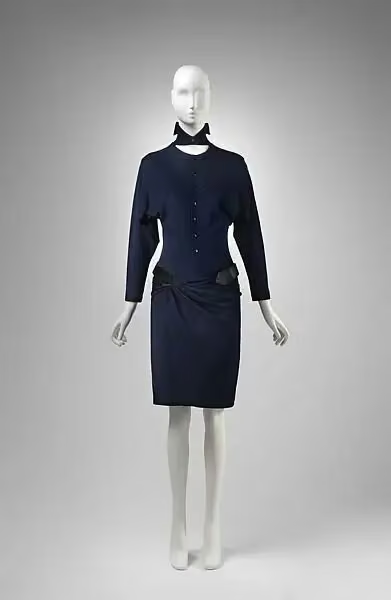
Collection selection
ca. 1990
A Peter Pan collar softens the closely fitted silhouette of this knit dress. At the back, Alaïa’s folded and draped construction suggests a reduced bustle. The museum links this combination of couture technique and innovative fabric to his sculptural approach: a flat textile is engineered into a garment that follows the body.
The Metropolitan Museum of Art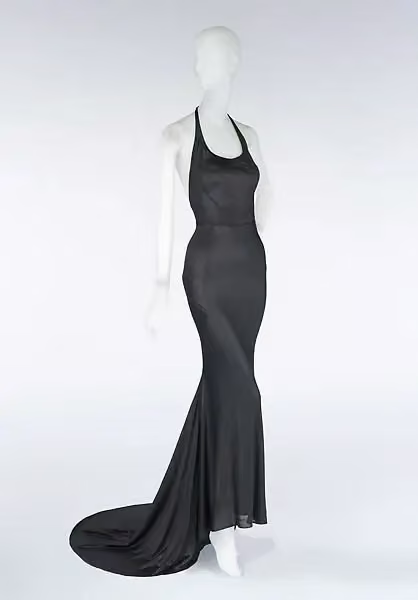
Collection selection
ca. 1998
This dark, body-skimming dress expands into a sweeping hem and train. The Met connects its fluid shape to Alaïa’s interest in Madeleine Vionnet and his experiments with bias-cut jersey made from synthetic fibers. Rather than relying on applied decoration, the garment makes the relationship between fabric, drape and silhouette its principal subject.
The Metropolitan Museum of Art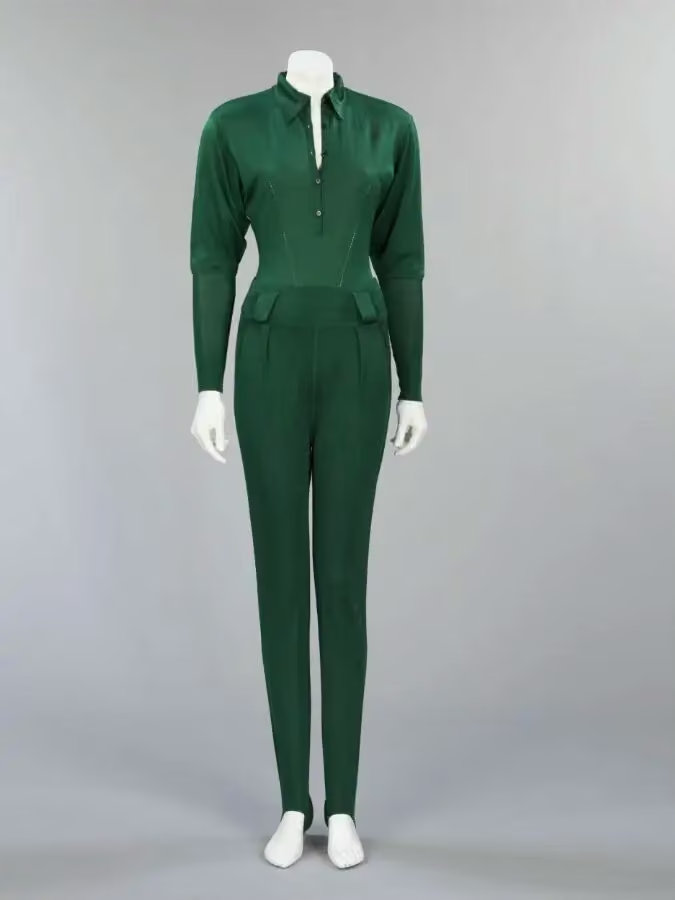
Collection selection
1985 · V&A collection
Machine-knitted viscose, and leather with gilt studs.
© Victoria and Albert Museum, London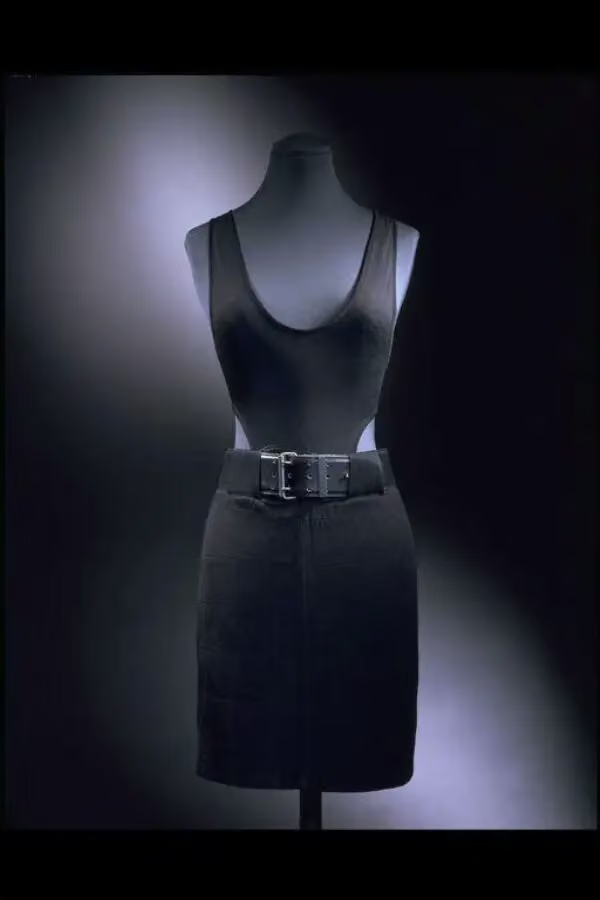
Collection selection
1985 · V&A collection
Acetate jersey and machine knitting.
©Victoria and Albert Museum, London/Azzedine Alaïa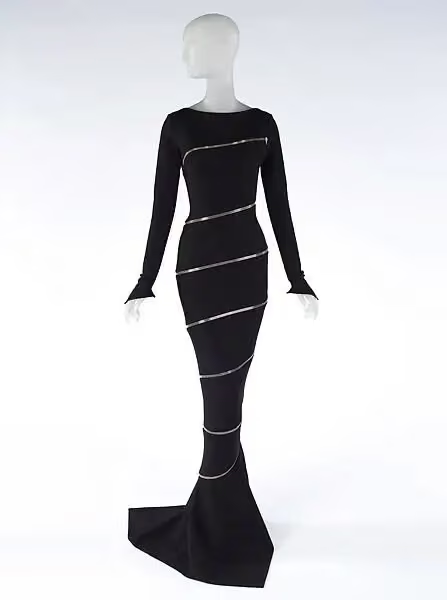
Collection selection
spring/summer 2003 · The Met collection
Wool, metal, silk.
The Metropolitan Museum of Art1 piece · Season not recorded
Azzedine Alaïa · ca. 1990
1 piece · Season not recorded
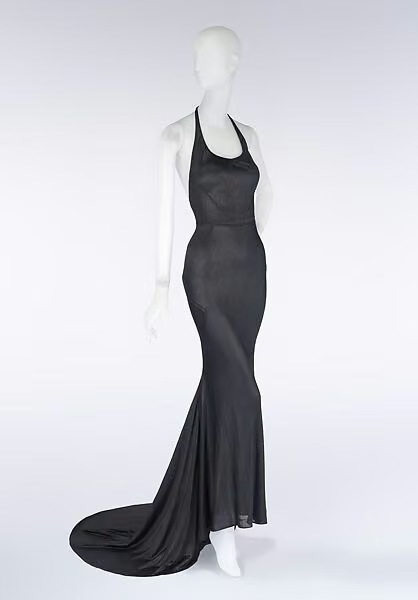
Azzedine Alaïa · ca. 1998
The Met connects his work with Madeleine Vionnet, whose designs he collected, and highlights how folding, draping and bias cutting could create sensuous silhouettes without relying on elaborate ornament.