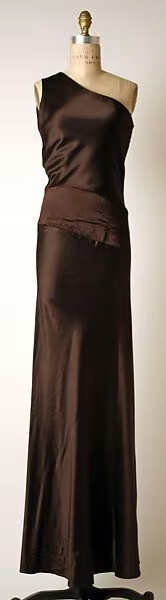
Evening dress
Calvin Klein · fall/winter 1996–97
Calvin Klein’s eveningwear often concentrated attention on line, drape and the relationship between cloth and body. The two dresses from fall/winter 1996–97 demonstrate different versions of a restrained silhouette.
Official house website
Collection selection
fall/winter 1996–97
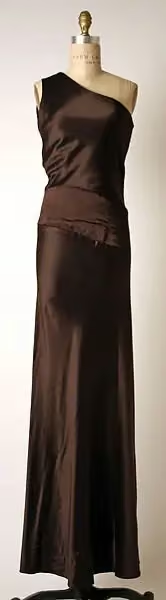
An asymmetric neckline and diagonal folds shape this floor-length silk dress. Its nearly continuous field of dark color places attention on the way the garment drapes around the torso and hips. The museum assigns it to fall/winter 1996–97, allowing direct comparison with Klein’s long-sleeved rayon evening dress from the same collection.
The Metropolitan Museum of Art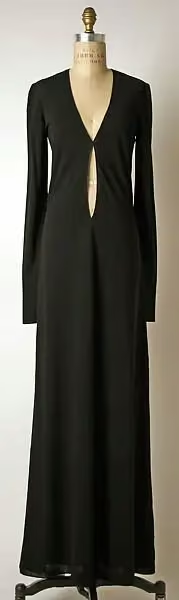
Collection selection
fall/winter 1996–97
Long sleeves and a floor-length skirt frame a narrow opening through the front of this evening dress. The reduced palette and continuous vertical line make the cut itself the strongest decorative element. Recorded in rayon, it offers a second view of Klein’s fall/winter 1996–97 approach to spare eveningwear.
The Metropolitan Museum of Art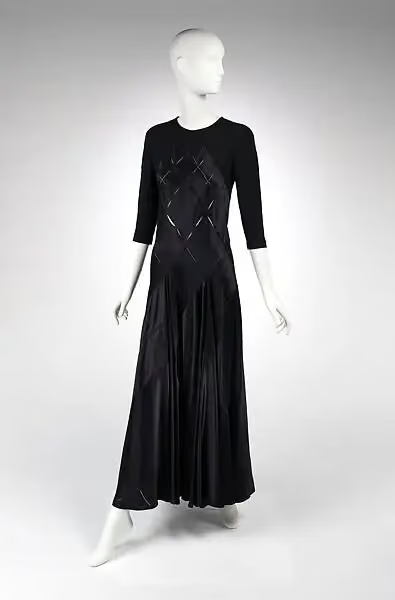
Collection selection
fall/winter 2002–3
Faceted openings interrupt the long black silhouette of this silk evening dress. Fabric ripples across the chest while the sleeves and skirt maintain a restrained outline. The Met identifies it as a late example of Klein’s sensual minimalism, connecting the pared-down language of the 1990s to a more articulated treatment of the body.
The Metropolitan Museum of Art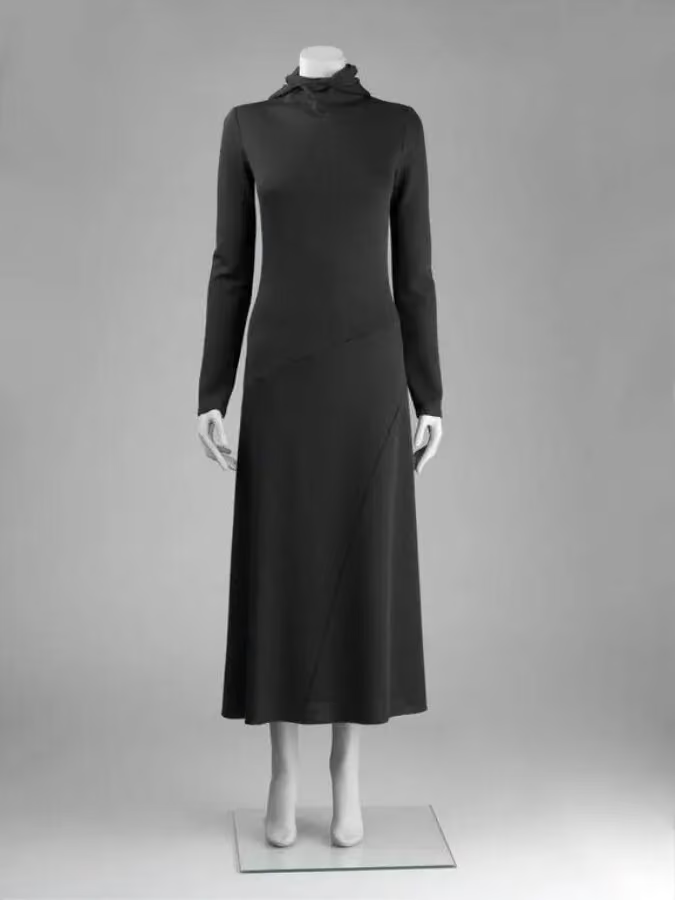
Collection selection
1996 · V&A collection
Machine-sewn wool jersey.
© Victoria and Albert Museum, London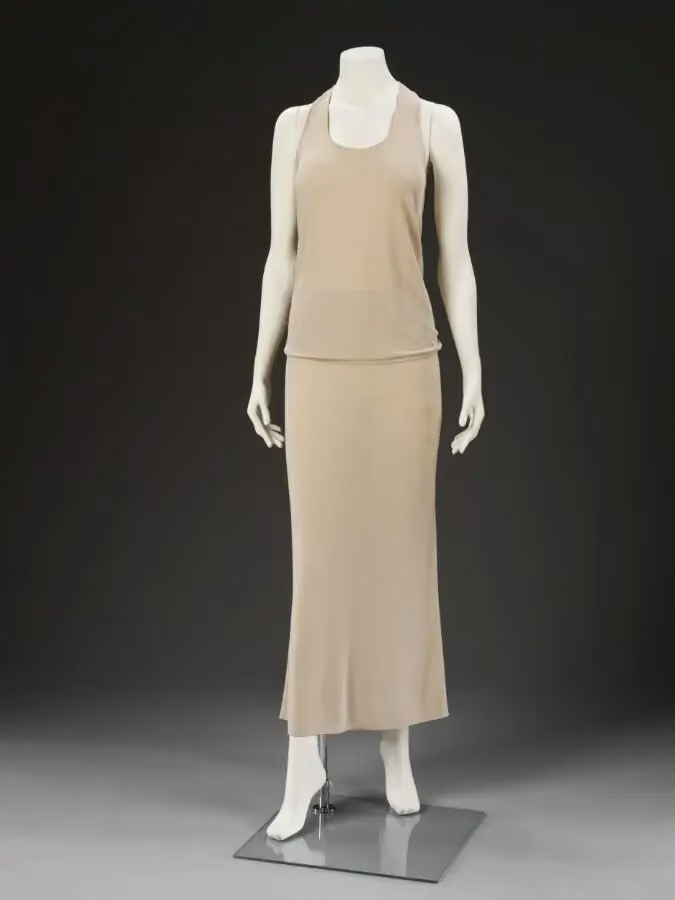
Collection selection
1996 · V&A collection
Jersey.
©Victoria and Albert Museum, London/Calvin Klein2 pieces
Calvin Klein · fall/winter 1996–97
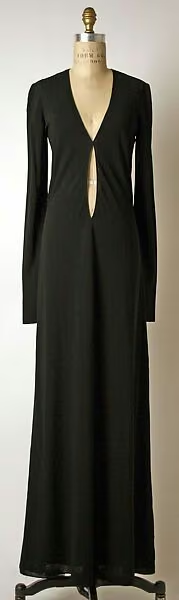
Calvin Klein · fall/winter 1996–97
1 piece
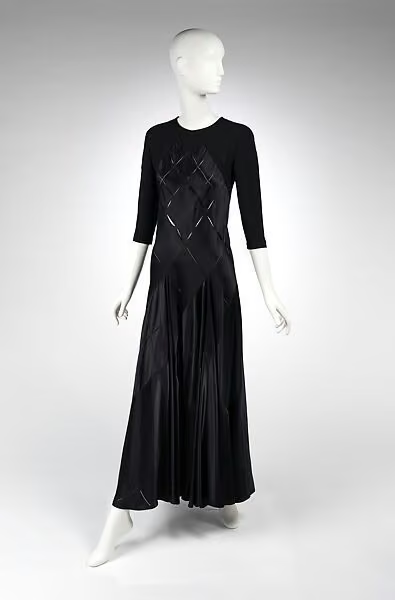
Calvin Klein · fall/winter 2002–3
A later black silk gown adds faceted openings and rippling fabric, illustrating how the minimalist vocabulary could evolve toward a more explicitly articulated sensuality.