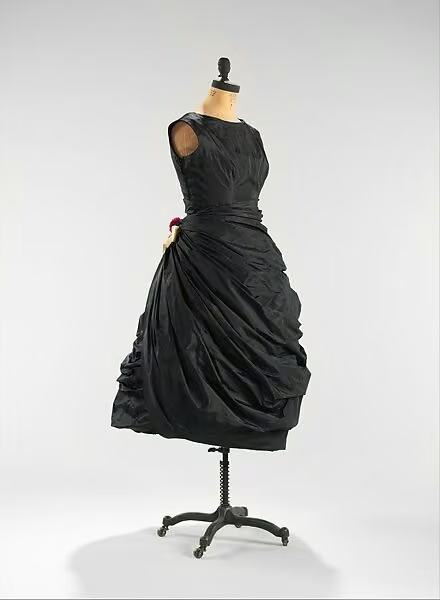
Cocktail dress
Cristóbal Balenciaga · spring/summer 1956
Cristóbal Balenciaga designed the space around the body. In his sack dresses and sculptural eveningwear, cloth could stand away from the waist, making volume itself the subject of the garment.
Official house website
Collection selection
spring/summer 1956
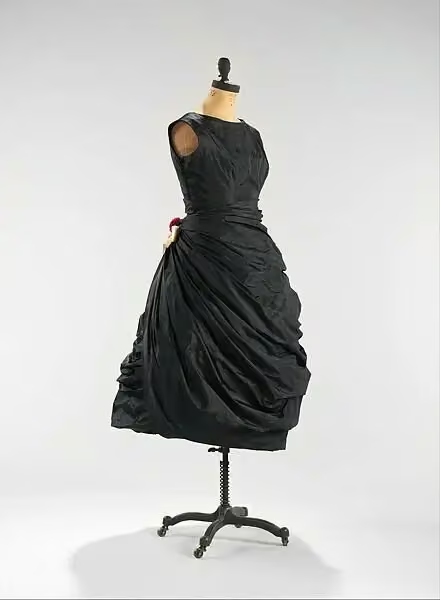
This silk cocktail dress provides a representative example of Balenciaga’s mid-1950s evening silhouette and carefully controlled volume.
The Metropolitan Museum of Art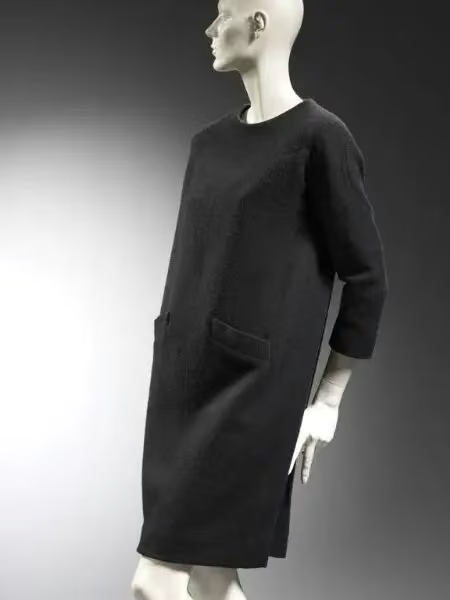
Landmark design
1957–1958
Suspended from the shoulders with space around the waist, the sack line loosened couture’s relationship to the body. The museum notes a later shortening of the hem.
© Victoria and Albert Museum, London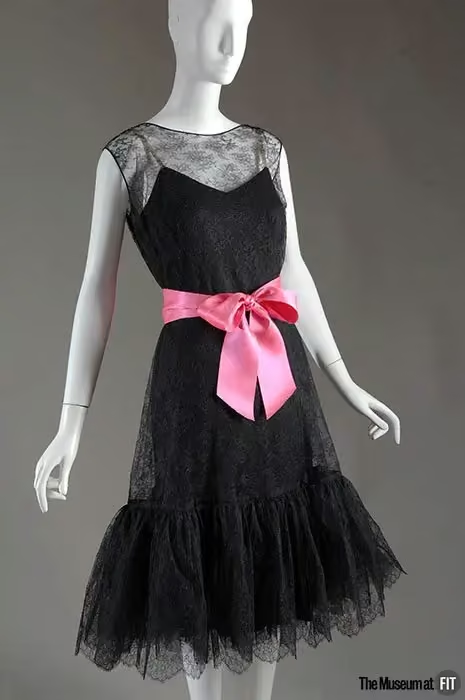
Landmark design
ca. 1957
A loose lace dress over a fitted slip produces a triangular silhouette that anticipates the freer shapes of the 1960s.
The Museum at FIT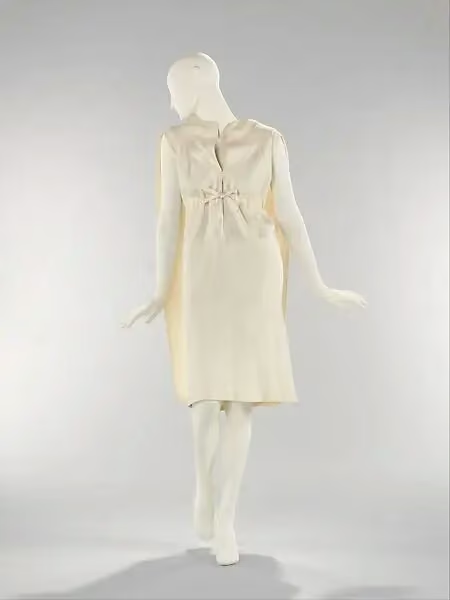
Collection selection
spring/summer 1958
This linen day dress broadens the selection beyond eveningwear, showing Balenciaga’s sculptural approach in a practical daytime textile.
The Metropolitan Museum of Art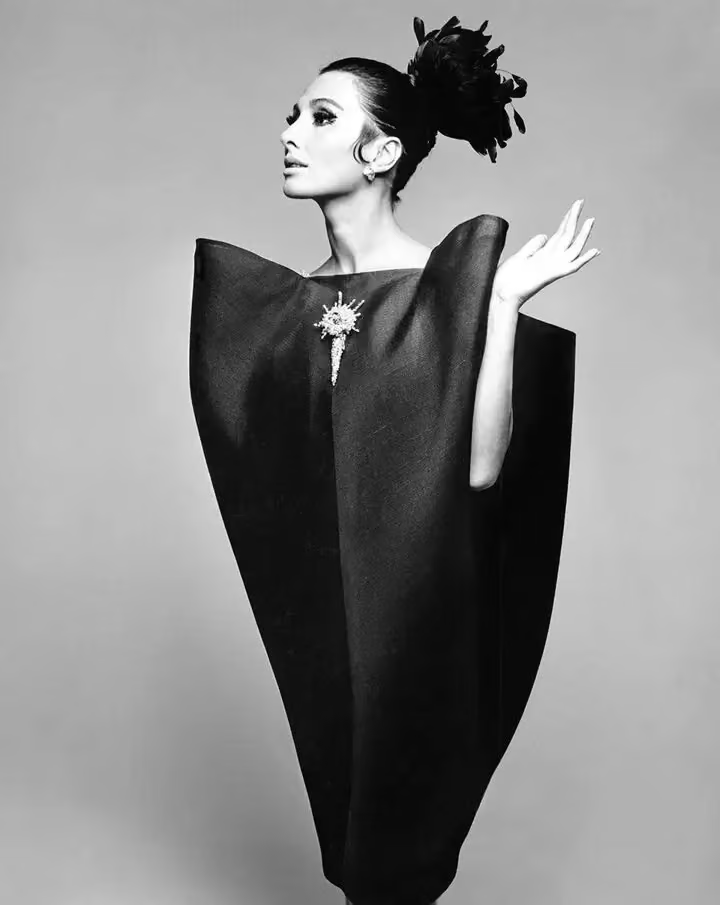
Landmark design
1967
The dramatic outline projects away from the body, making visible Balenciaga’s late-career experiments with abstract, self-supporting volume.
© Hiro 19671 piece
Cristóbal Balenciaga · spring/summer 1956
1 piece
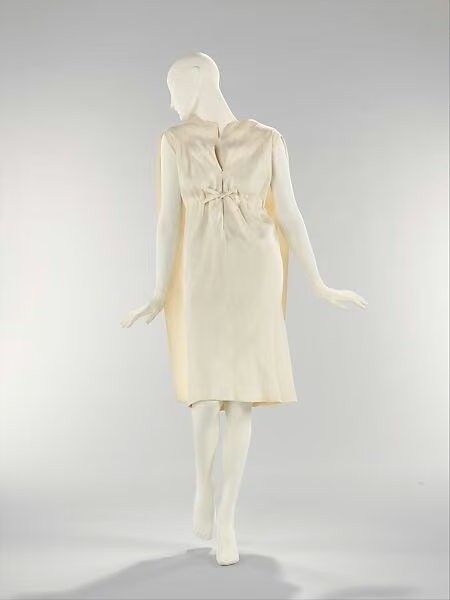
Cristóbal Balenciaga · spring/summer 1958
1 piece · Season not recorded
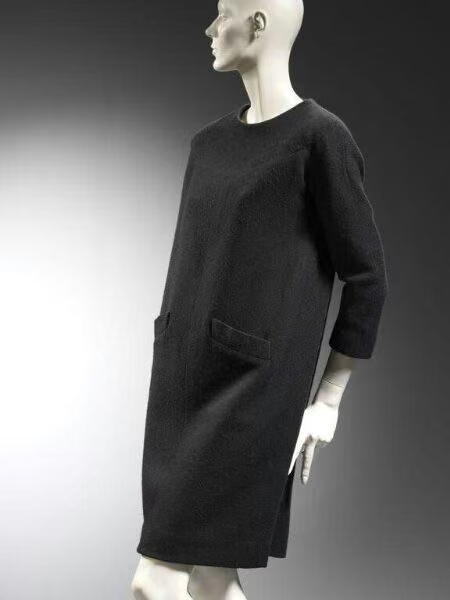
Cristóbal Balenciaga · 1957–1958
After training and working in Spain, Balenciaga established his Paris house in 1937. His command of cutting and construction allowed the qualities of a fabric to shape the design. The 1957 sack dress was a consequential example: it released the waist at a time when the fitted hourglass remained influential, changing the relationship between the wearer and the garment’s outline.
Later experiments relied on silk gazar, a fabric that is lightweight yet stiff enough to hold a pronounced form. It could sustain the projecting shapes of his sculptural evening dresses instead of collapsing into soft folds. These garments show why fiber, weave and handling matter as much as a sketch of a silhouette.
READ FURTHER
V&A: Introducing Cristóbal Balenciaga