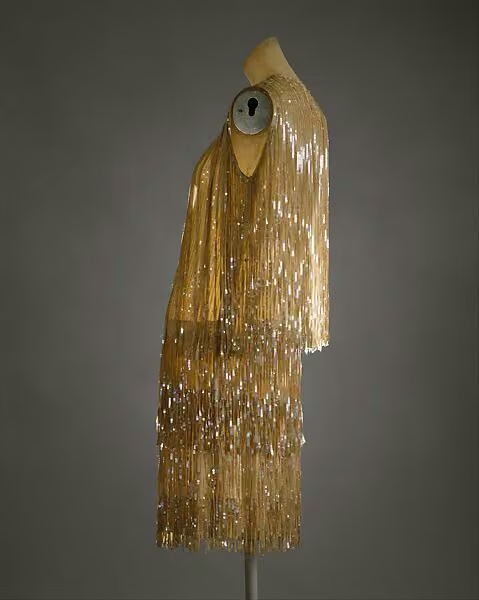
Evening dress
Edward Molyneux · 1926–27
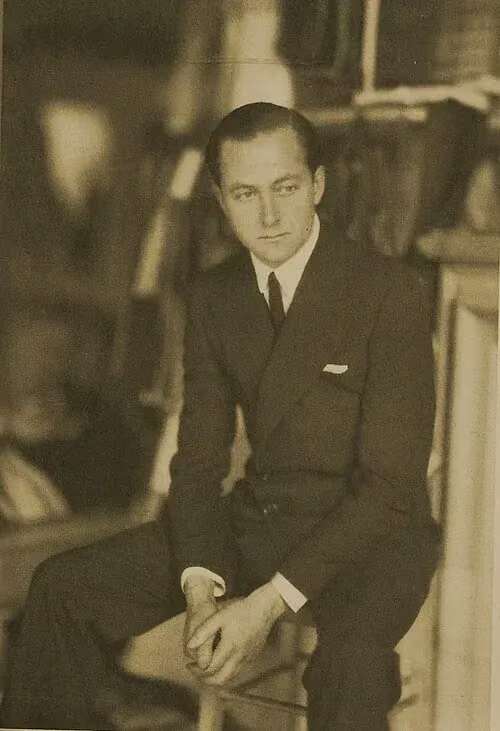
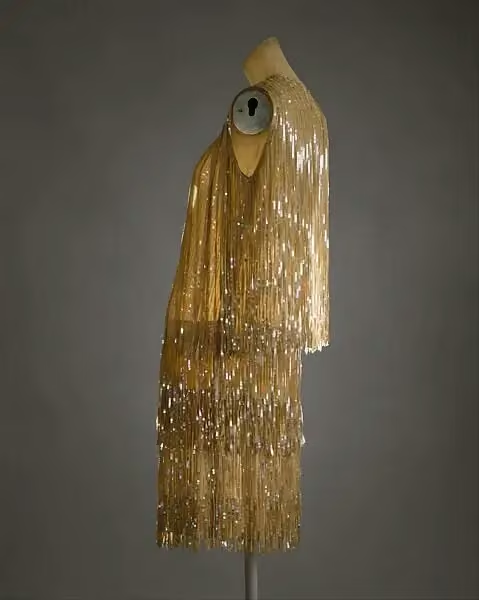
Edward Molyneux brought both modern restraint and historical references to evening dress. His sequined 1926–27 design uses vertical movement within a flapper silhouette, while a 1949 gown evokes classical sculpture through controlled pleating.
Collection selection
1926–27
Molyneux layered loose, narrow lengths of georgette over vertical rows of sequins. The Met describes the resulting shimmer as a meeting of couture refinement and modern taste. Dated 1926–27, the dress retains a narrow, elongated body while the moving surface supplies much of its visual complexity.
The Metropolitan Museum of Art; Gift of Mrs. Adam Gimbel, 1942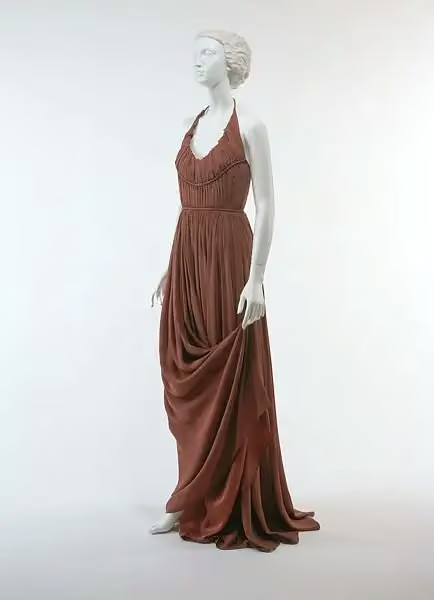
Collection selection
1949
Molyneux opened the pleats at the neckline of this 1949 halter gown to echo ancient sculptural drapery. The Met notes that the folds are held against a flexible underbodice. The recorded materials are estron and rayon, linking a classical visual language to experimental twentieth-century fabric.
The Metropolitan Museum of Art; Gift of A. M Tenney Associates, Inc. and Tennessee Eastman Corporation, 1950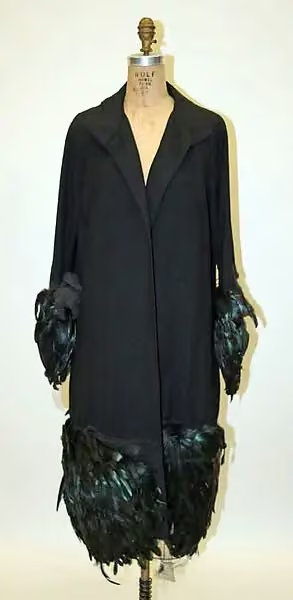
Collection selection
1928 · The Met collection
Wool, feathers.
The Metropolitan Museum of Art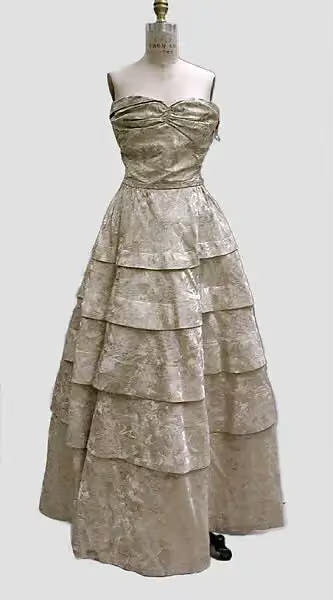
Collection selection
fall/winter 1939–40 · The Met collection
Silk, metal thread.
The Metropolitan Museum of Art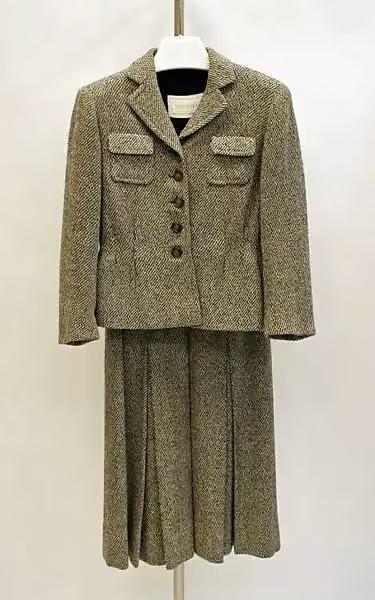
Collection selection
1937–38 · The Met collection
Wool, silk.
The Metropolitan Museum of Art1 piece · Season not recorded
Edward Molyneux · 1926–27
1 piece · Season not recorded
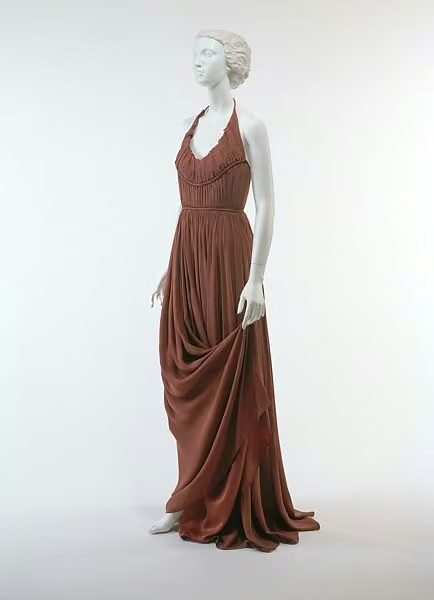
Edward Molyneux · 1949
The Met's accounts connect couture refinement with experimentation, including the use of estron and rayon for a design shaped like antique drapery.