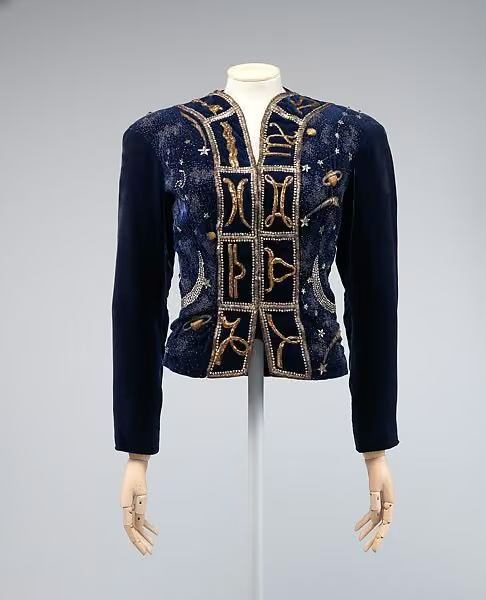
Evening jacket
Elsa Schiaparelli · summer 1937
Elsa Schiaparelli turned visual illusion into clothing. A knitted bow could look tied, and printed fabric could appear torn: the surprise depended on skilled makers translating an image into a convincing garment.
Official house website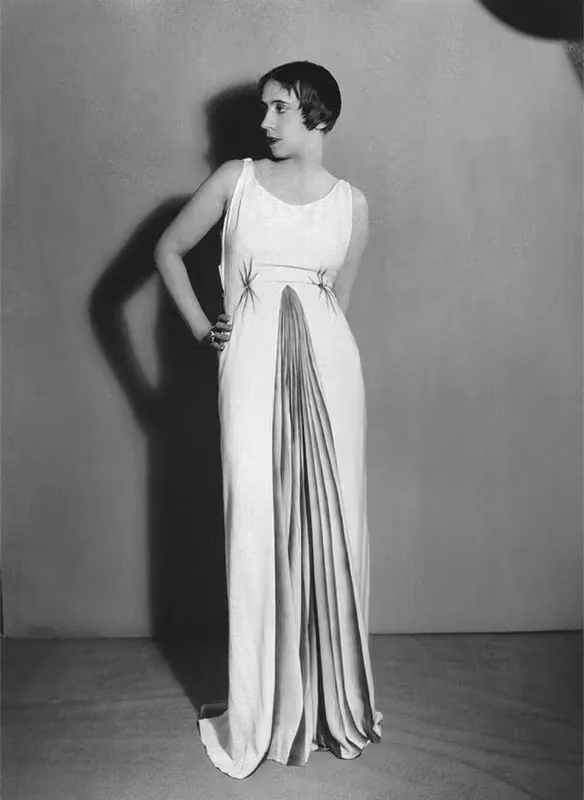
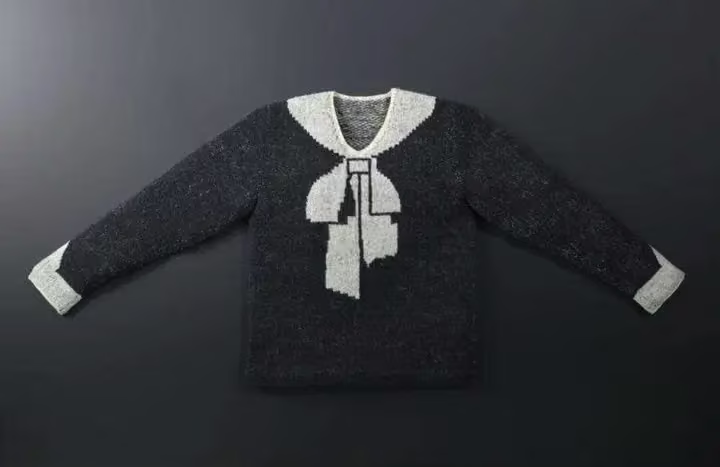
Landmark design
1927
A knitted bow creates the illusion of a tied scarf. Made with Armenian knitter Aroosiag Mikaëlian, it was Schiaparelli’s early breakthrough in visual wit.
© Victoria and Albert Museum, London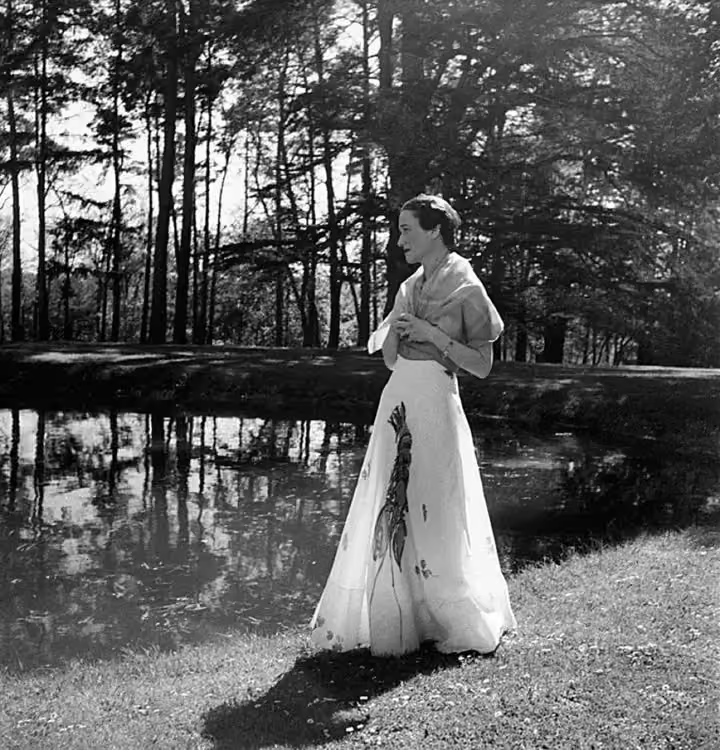
Landmark design
Summer 1937 haute couture
A giant lobster disrupts the refinement of a white evening dress, demonstrating how Schiaparelli and Salvador Dalí brought Surrealist imagery into couture.
Schiaparelli archive; individual photograph credit not specified on source page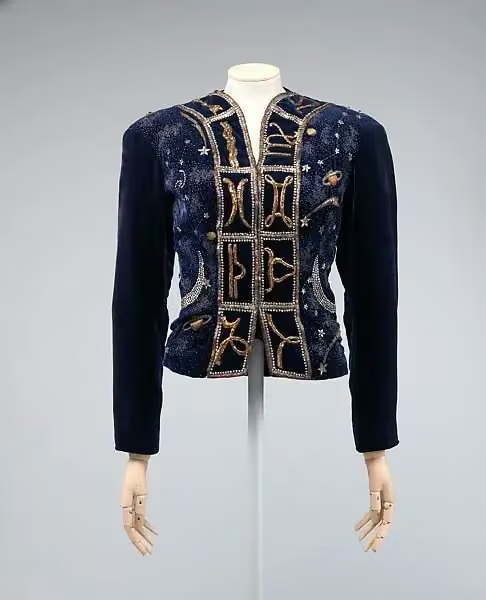
Landmark design
summer 1937
Lesage’s celestial embroidery makes a tailored jacket into a personal symbolic universe, including Ursa Major, Schiaparelli’s chosen emblem.
The Metropolitan Museum of Art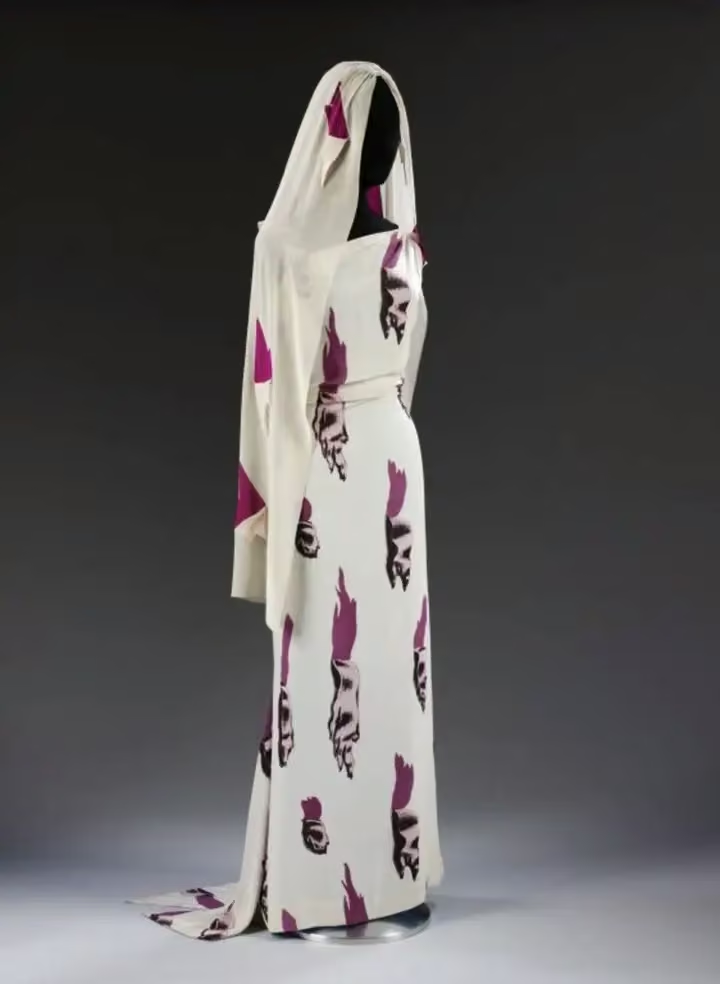
Landmark design
Summer 1938 Circus collection; made February 1938
Printed tears on the dress and actual openings in its veil confuse surface and substance, a major example of Schiaparelli’s collaboration with Salvador Dalí.
© Victoria and Albert Museum, London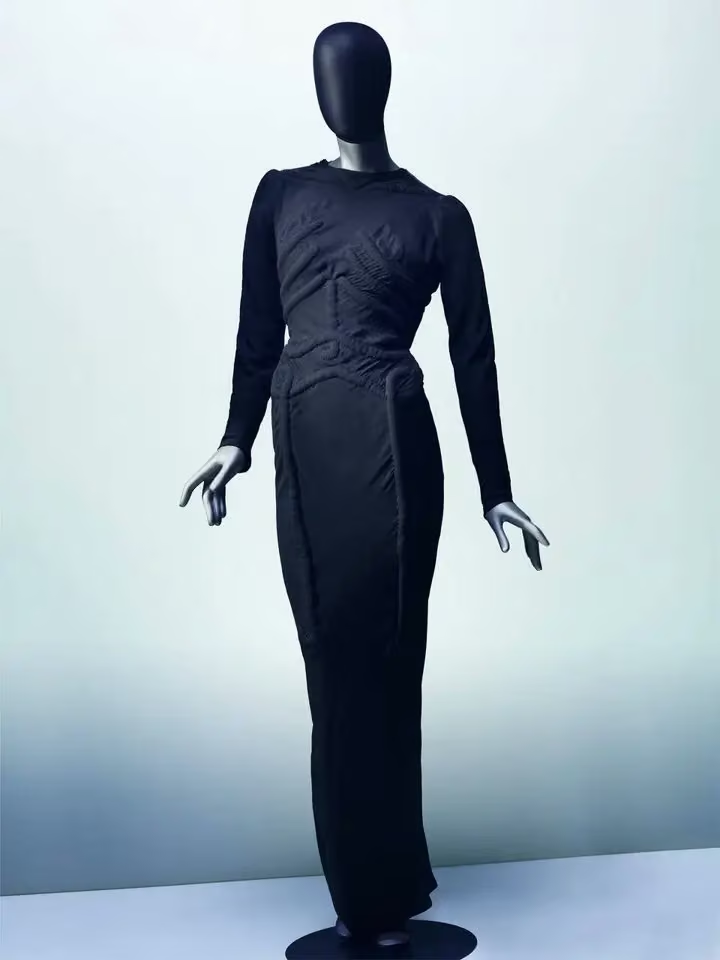
Landmark design
1938
Padded ribs and bones bring the body’s hidden structure to the surface of a black dress, joining Dalí’s Surrealism with couture construction.
V&A © 2025 Salvador Dali, Fundació Gala-Salvador Dalí, DACS. Photograph © Emil Larsson1 piece
Elsa Schiaparelli · summer 1937
1 piece
Elsa Schiaparelli · fall 1938
1 piece
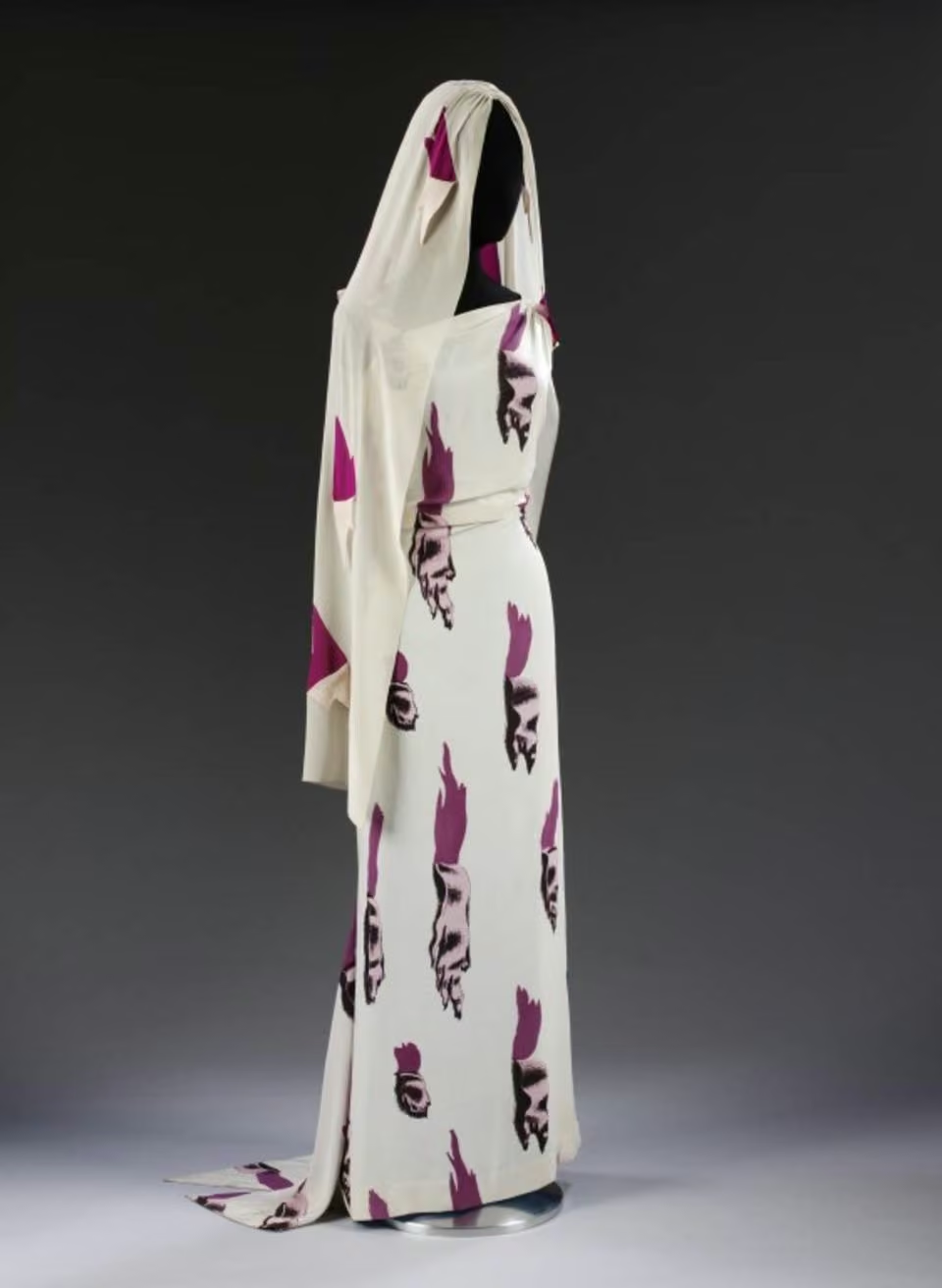
Elsa Schiaparelli · February 1938
Her 1927 bowknot sweater was made with Aroosiag Mikaëlian, who used an Armenian two-tone knitting technique to suggest a white cravat on a black jumper. The bow belonged to the flat knitted design. This is trompe l’œil: an image that deceives the eye about what is physically present.
Schiaparelli extended that idea through collaborations with artists including Salvador Dalí. Their 1938 Tears Dress uses a print to suggest damaged fabric; its matching veil instead contains openings built by cutting, sewing and layering. The two surfaces turn the same unsettling image into different kinds of dressmaking.