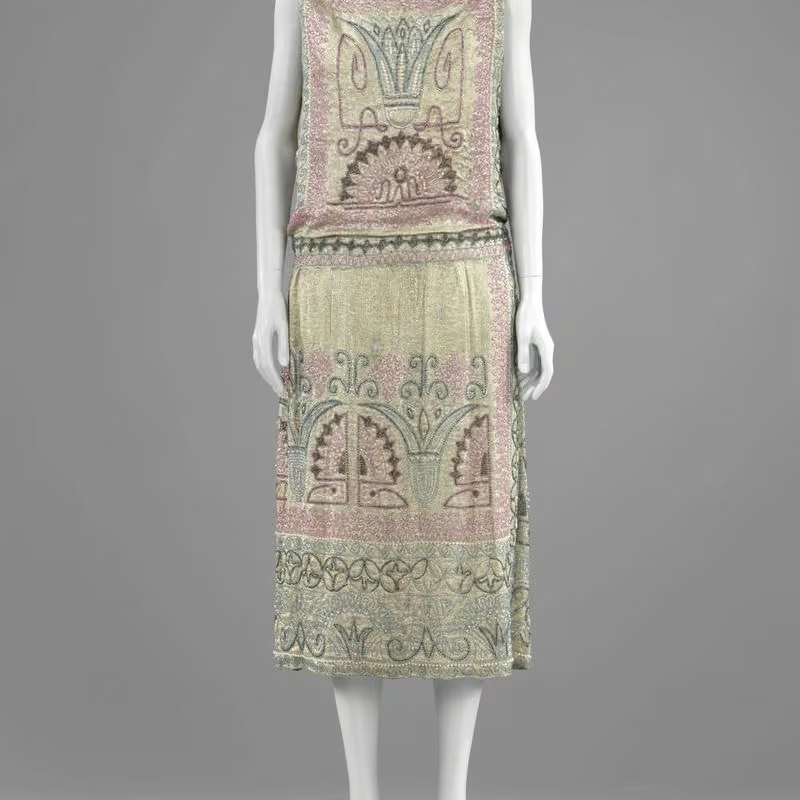
Silver-lamé evening dress with coloured beads and artificial pearls
Erté · c. 1922–1924
Romain de Tirtoff, known as Erté, began designing in Paris in 1912 and developed strong connections with American magazines and retailers. His fashion illustrations, theatrical designs and elaborate accessories made drawing central to his practice.
Official archive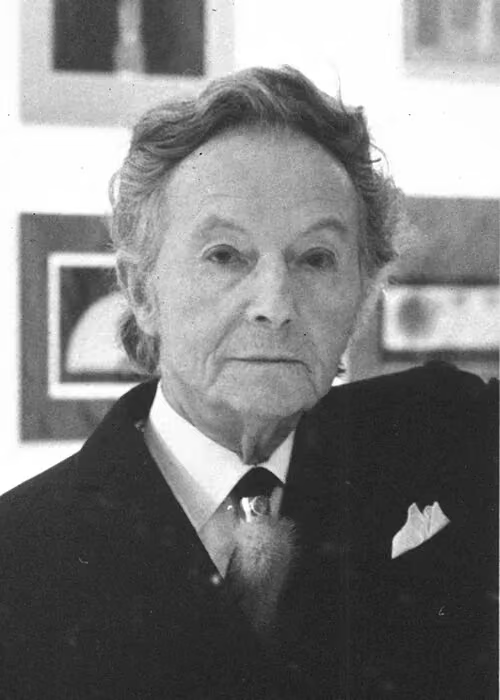
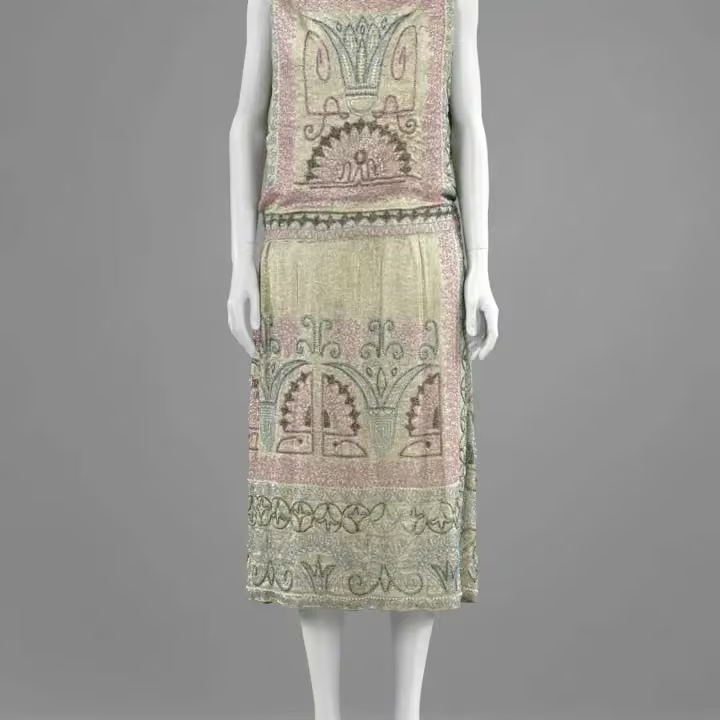
Collection selection
c. 1922–1924
Erté translates his decorative drawing language into a beaded evening dress with Egyptian motifs.
Rijksmuseum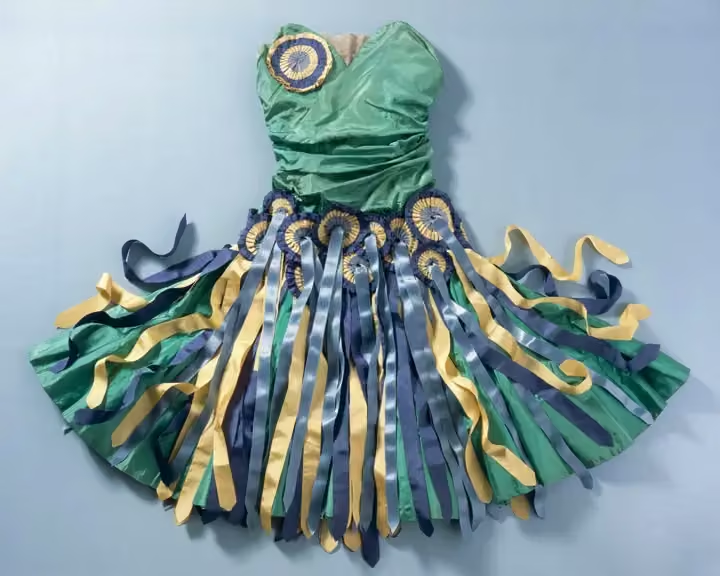
Collection selection
1920 · Zazà stage costume
Silk ribbons and rosettes give this stage costume movement beyond its fitted green bodice.
Museum Associates / LACMA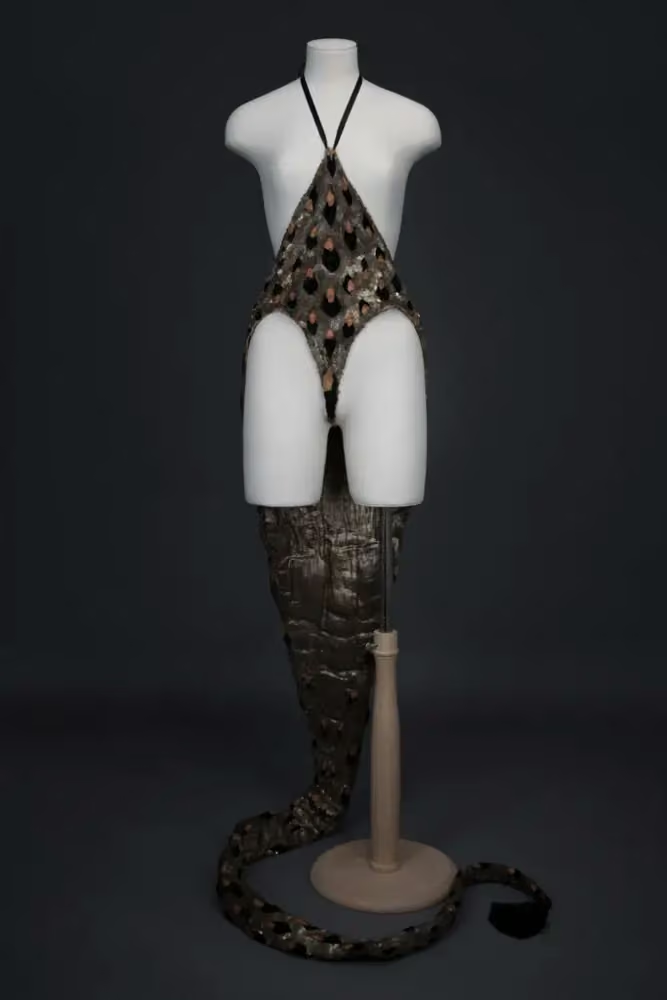
Collection selection
c. 1939 · Un Vrai Paradis
A long spotted tail extends the sequinned halter silhouette, illustrating Erté’s theatrical animal imagery.
Tigz Rice / The Underpinnings Museum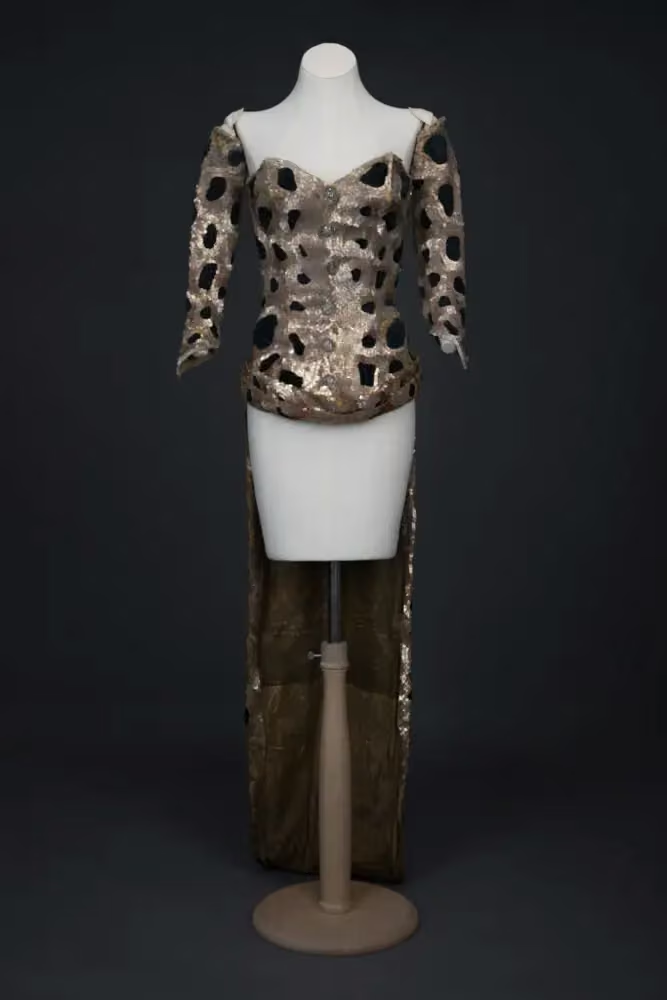
Collection selection
1949 · Reflets
Spotted velvet and sequins cover a fitted bodice whose train transforms the wearer’s outline.
Tigz Rice / The Underpinnings Museum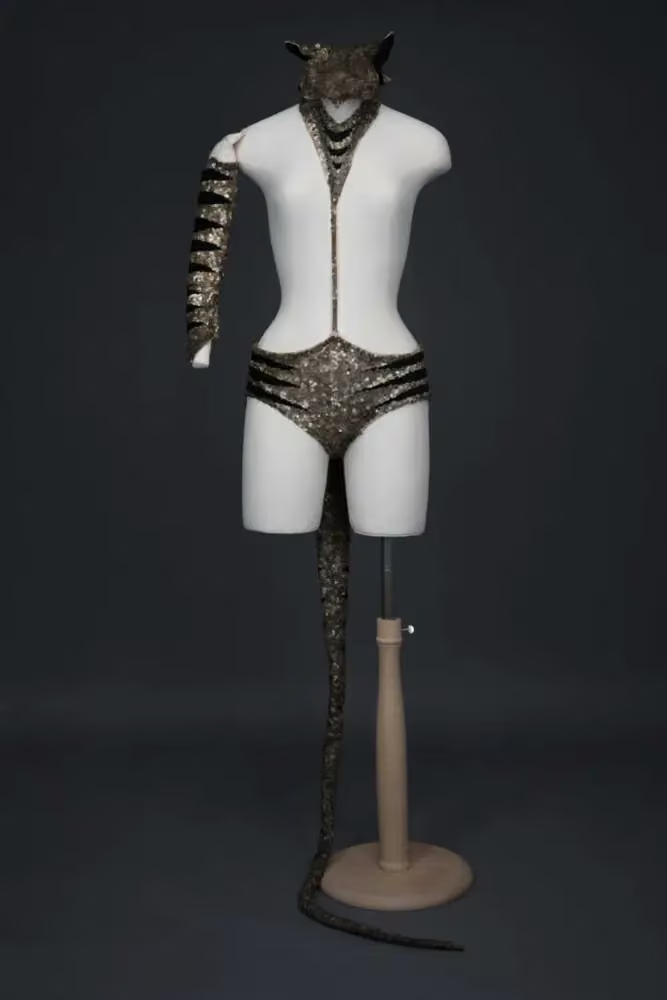
Collection selection
c. 1949 · Reflets
Tiger striping unifies the surviving costume components and their elongated tail.
Tigz Rice / The Underpinnings Museum1 piece
The Met preserves his 1920s Harper’s Bazar cover designs as well as later footwear designs for Delman.