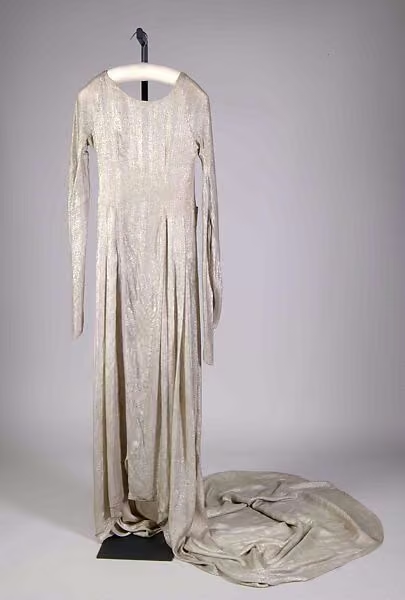
Wedding Dress
Hattie Carnegie · ca. 1935
Hattie Carnegie's work in this selection shows the breadth of American formal dressing during the 1930s. Two wedding gowns from about 1935 contrast a long, narrow silhouette with a design defined by broad sleeves and a train.
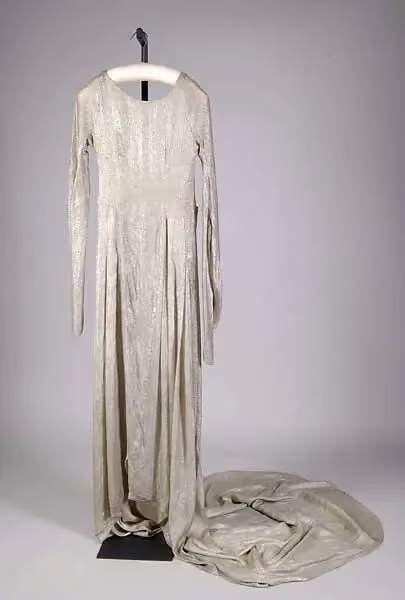
Collection selection
ca. 1935
Carnegie's circa-1935 wedding dress joins a long, narrow body to a substantial train. Its pale surface and elongated sleeves make the gown's vertical line especially clear. The museum records silk, metallic material, beads and rhinestones, distinguishing this richly ornamented example from another Carnegie wedding dress dated to the same period.
The Metropolitan Museum of Art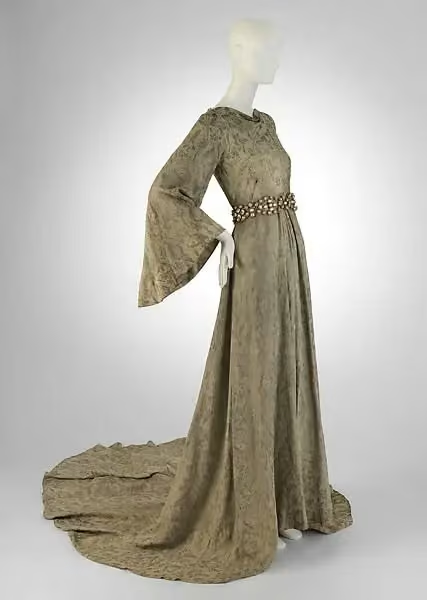
Collection selection
ca. 1935
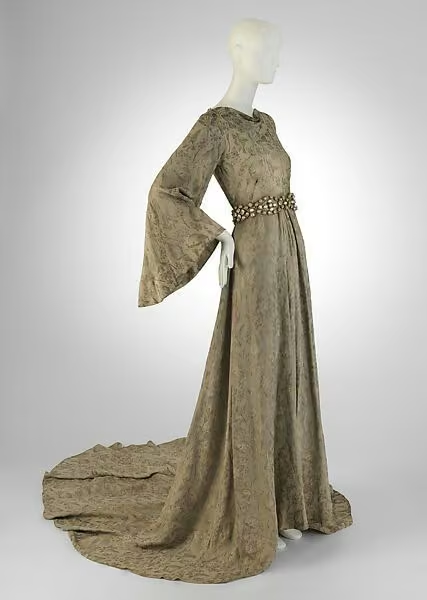
A high neckline, broad bell sleeves and a trailing skirt give this Carnegie wedding dress a markedly different outline from her other circa-1935 example. The photograph also shows the strongly defined waist and patterned surface. The Met lists silk and metallic material, and records the garment's transfer from the Brooklyn Museum Costume Collection.
The Metropolitan Museum of Art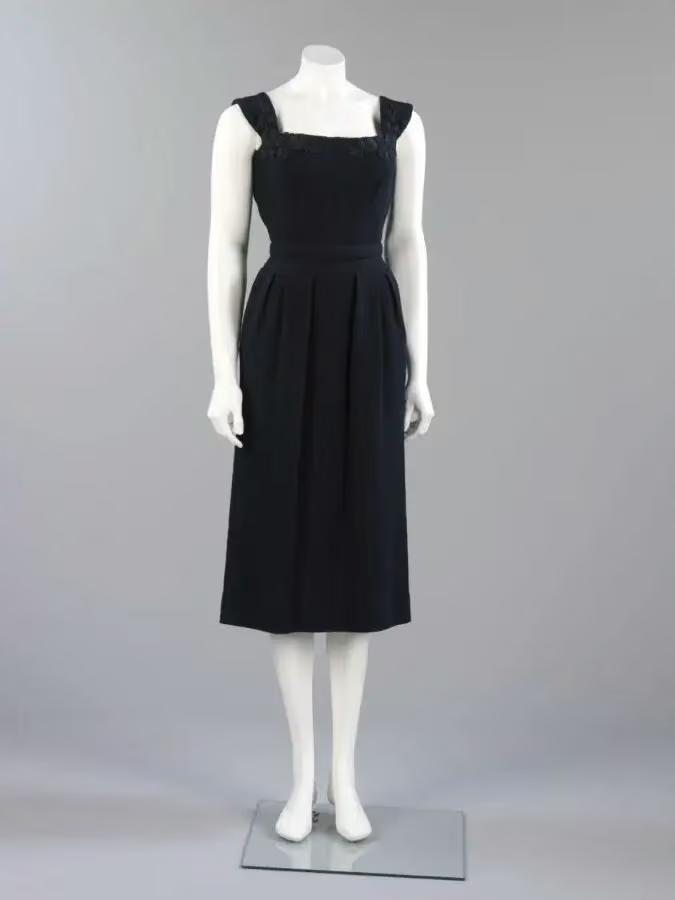
Collection selection
ca. 1955 · V&A collection
Knitted wool with embroidery.
© Victoria and Albert Museum, London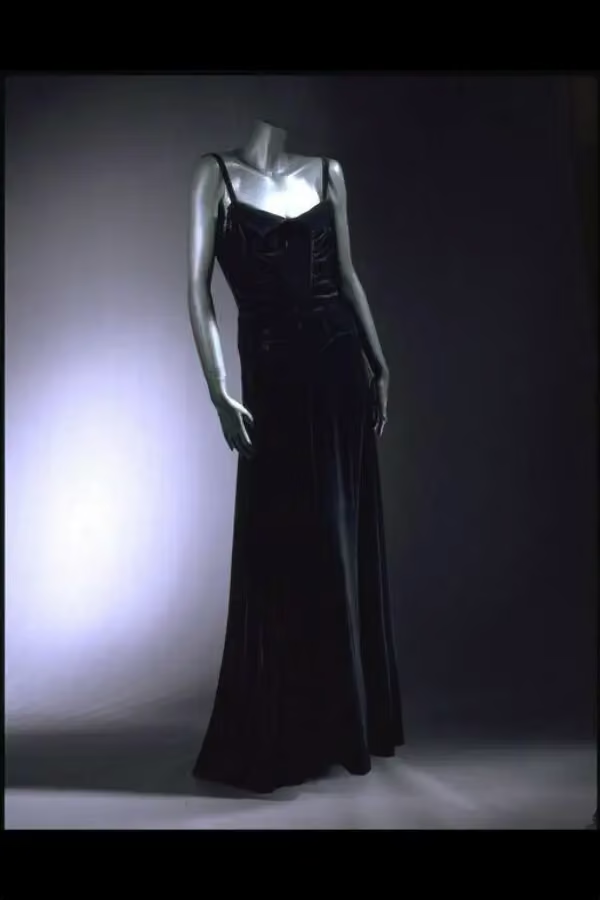
Collection selection
1950s · V&A collection
Machine-sewn silk velvet.
© Victoria and Albert Museum, London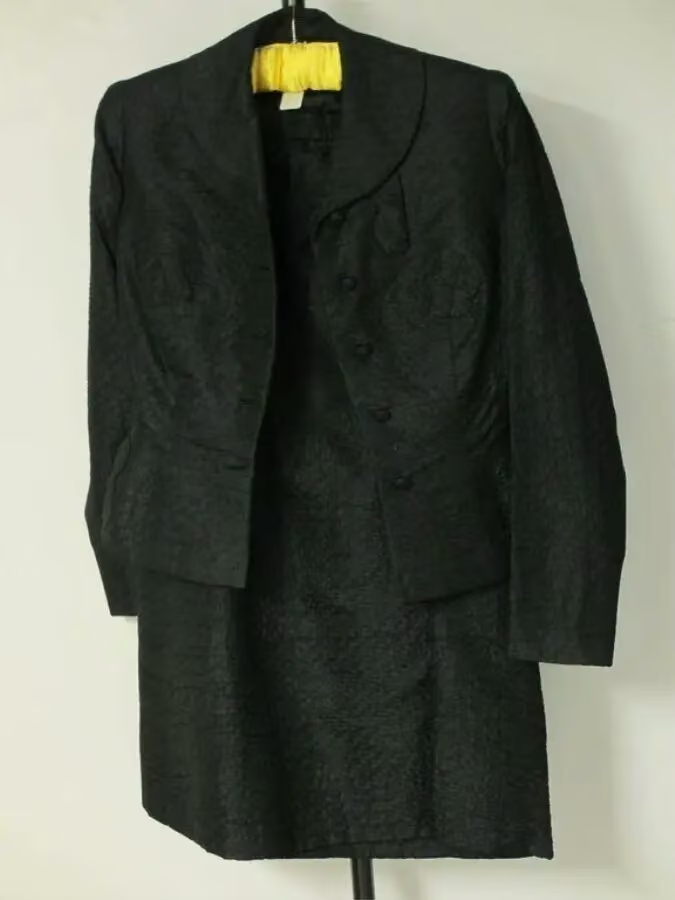
Collection selection
1950-1955 · V&A collection
Silk.
© Victoria and Albert Museum, London2 pieces · Season not recorded
Hattie Carnegie · ca. 1935
Hattie Carnegie · ca. 1935
Their recorded silk and metallic materials demonstrate how reflective surfaces, proportions and ceremonial details could give related garments distinctly different characters.