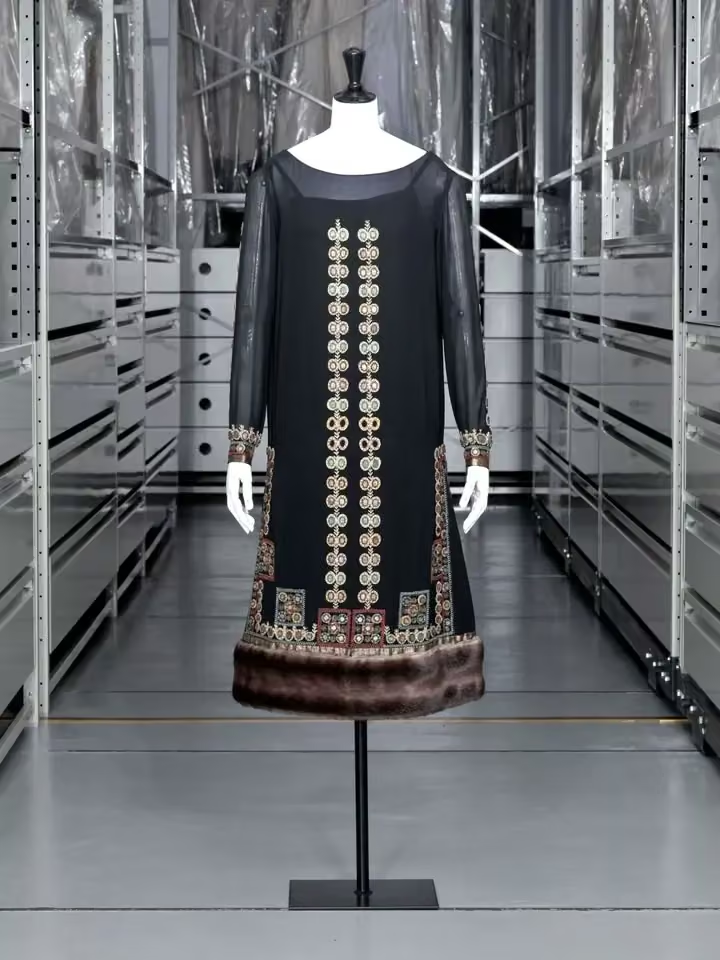
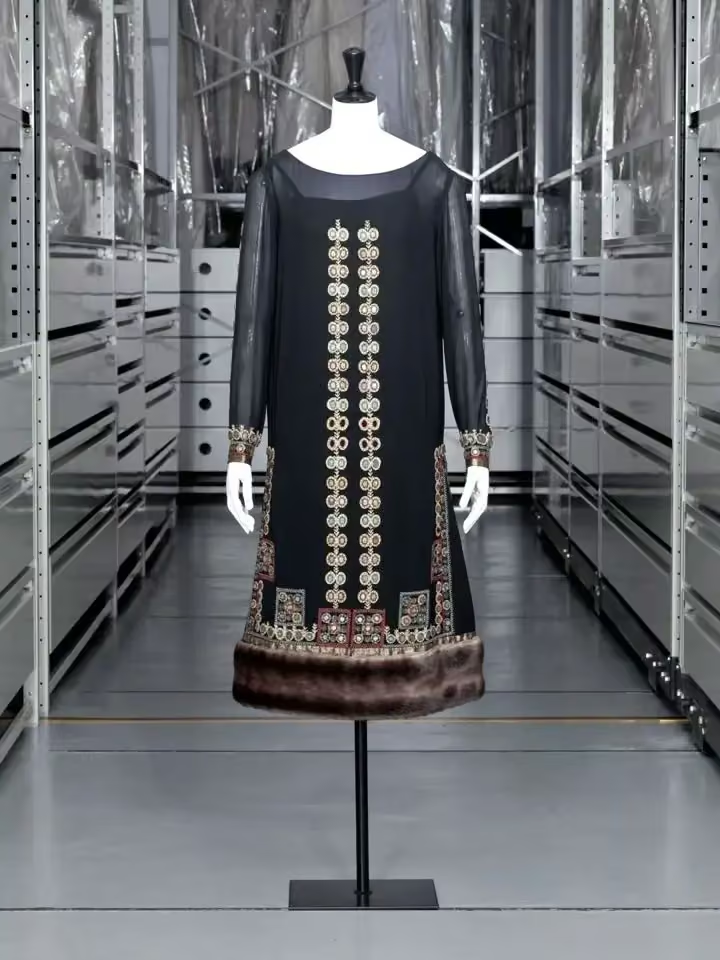
Embroidered day dress
House of Paquin · c. 1923–24
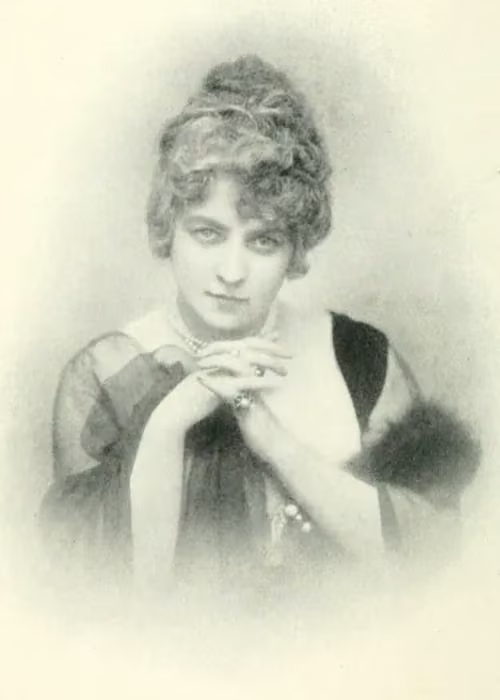
The House of Paquin grew from the Paris business established by Jeanne and Isidore Paquin in the 1890s. Jeanne became one of the most influential women in couture, combining inventive clothes with an international understanding of fashion publicity and retail.
Collection selection
c. 1923–24 · Season not documented
Geometric embroidery and small mirrors enliven the straight silhouette. This dress dates to Madeleine Wallis’s leadership, after Jeanne Paquin retired.
Palais Galliera / Paris Musées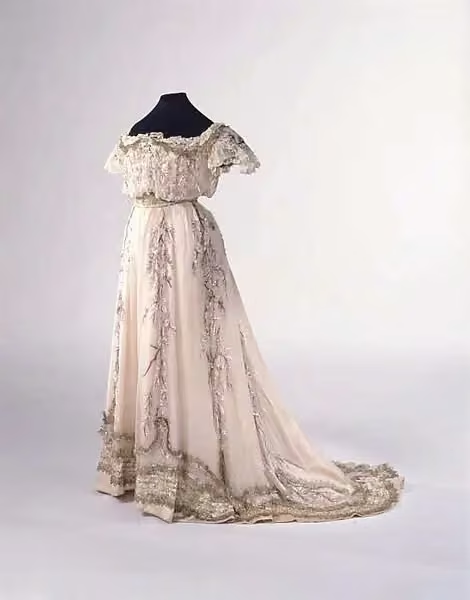
Collection selection
1909; season not separately documented
A light skirt flows into a decorated train beneath the fitted bodice.
The Metropolitan Museum of Art; Gift of Art Worker's Club, 1945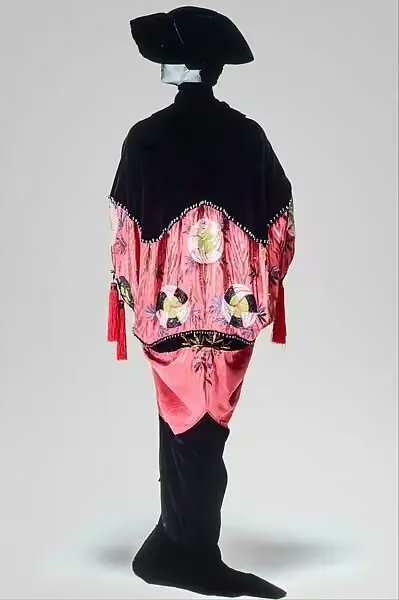
Collection selection
1912; season not separately documented
Vivid pink silk and black velvet enlarge the dramatic effect of an evening outer layer.
The Metropolitan Museum of Art; Gift of Mrs. Edwin Stewart Wheeler, 1956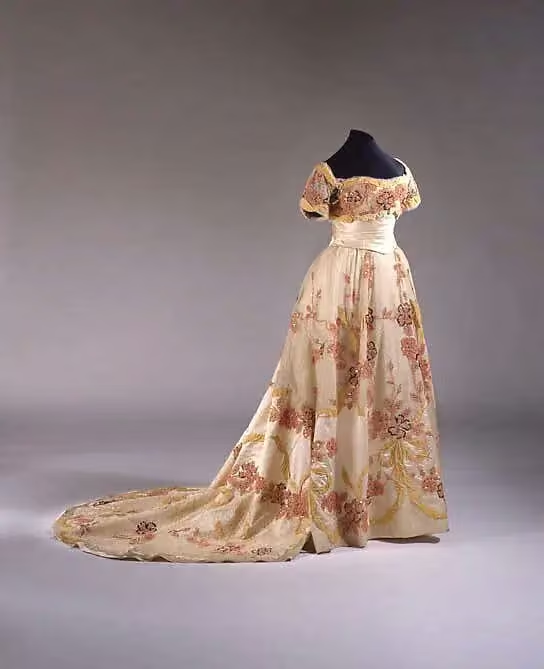
Collection selection
spring/summer 1901
A broad floral skirt and trailing hem express the scale of formal dress at the beginning of the twentieth century.
The Metropolitan Museum of Art; Gift of Mr. Cornelius Vanderbilt and Mrs. Robert L. Stevens, 1953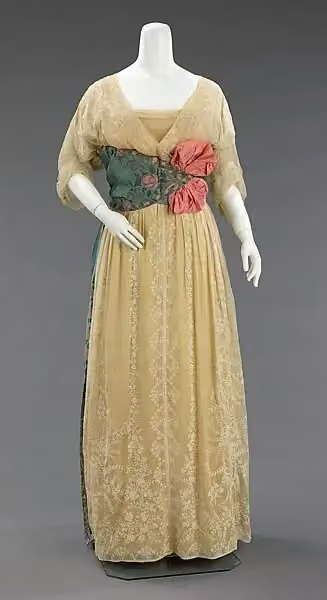
Collection selection
spring/summer 1912
Large rose decorations mark the high waist of a pale gold gown.
The Metropolitan Museum of Art; Brooklyn Museum Costume Collection at The Metropolitan Museum of Art, Gift of the Brooklyn Museum, 2009; Gift of Mrs. Harry T. Peters, 19621 piece
House of Paquin · c. 1923–24
The house continued after her retirement in 1920 under a succession of designers, closing in 1956. Its later work should therefore be credited to the appropriate creative leadership. A beaded day dress of about 1923–24 belongs to Madeleine Wallis’s period and demonstrates the continuing importance of skilled embroidery within the house.