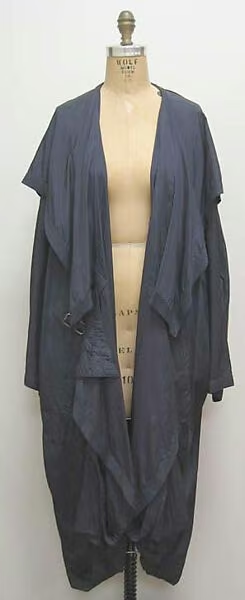
Pocketable Raincoat
Issey Miyake · 1984
Issey Miyake treated textiles and the moving body as connected fields of experimentation. Working across artistic disciplines, he developed sculptural garments and techniques that explored the potential of natural and synthetic materials.
Official house website
Landmark design
1984
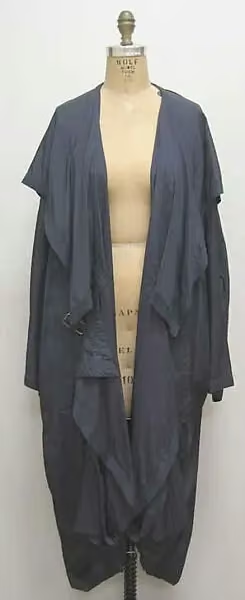
A raincoat designed to pack into a pocket treats portability and everyday function as central design questions.
The Metropolitan Museum of Art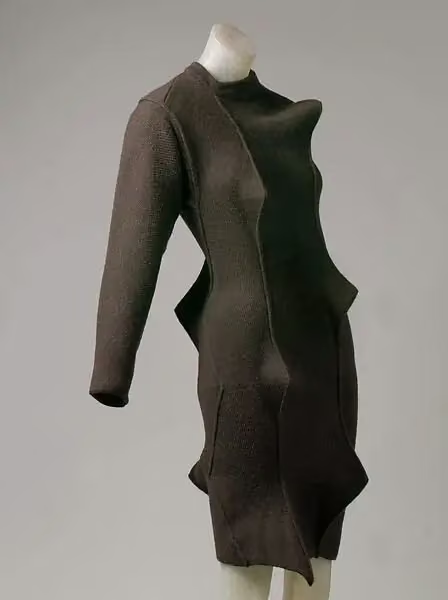
Landmark design
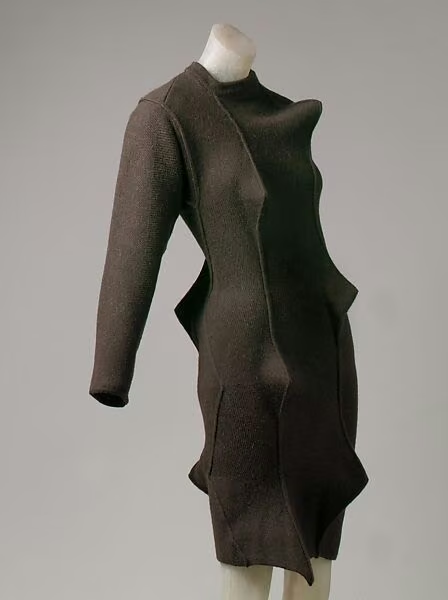
1989
Triangular projections preserve geometry inside a knitted garment, making the relationship between flat material and three-dimensional form visible.
The Metropolitan Museum of Art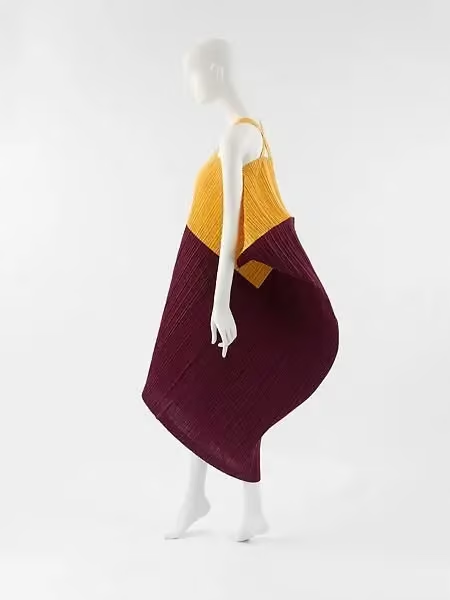
Landmark design
spring/summer 1990
Pleating allows the garment to move between a flat object and a sculptural form, linking practical storage to geometric experimentation.
The Metropolitan Museum of Art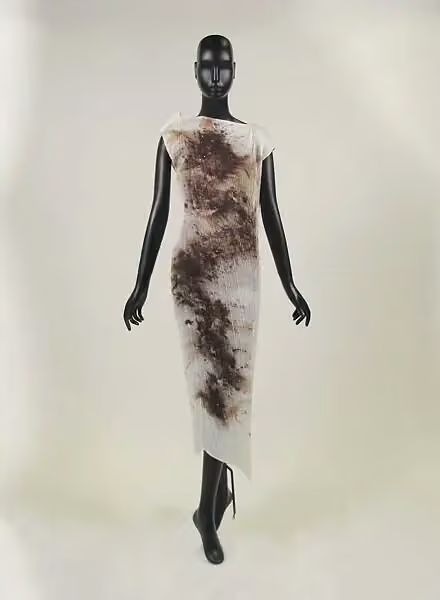
Landmark design
1999 · Pleats Please Guest Artist Series No. 4
Cai Guo-Qiang’s gunpowder imagery was translated into printed, garment-pleated clothing, joining artistic collaboration to Miyake’s repeatable production method.
The Metropolitan Museum of Art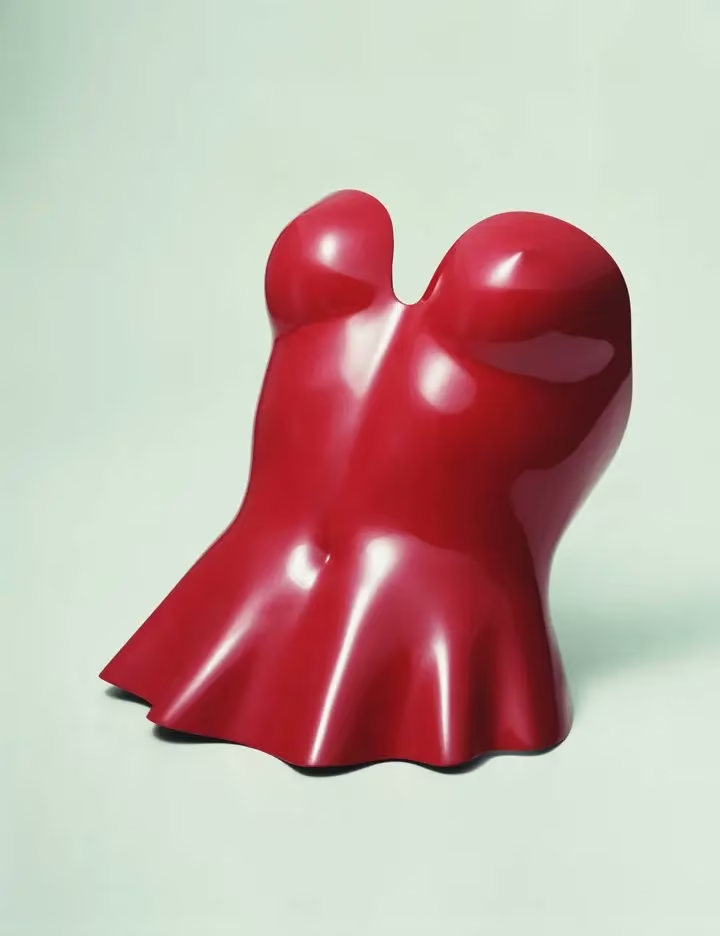
Landmark design
fall/winter 1980
Cast from the human form, the red plastic torso conceals the body while insistently reproducing it; it was the finale of Miyake’s 1980 autumn collection.
© The Kyoto Costume Institute, photo by Takashi Hatakeyama1 piece · Season not recorded
1 piece · Season not recorded
Issey Miyake · 1989
His work made room for movement while questioning conventional construction, helping broaden the international conversation about what a garment could be.
READ FURTHER
The Met: Miyake, Kawakubo and Yamamoto