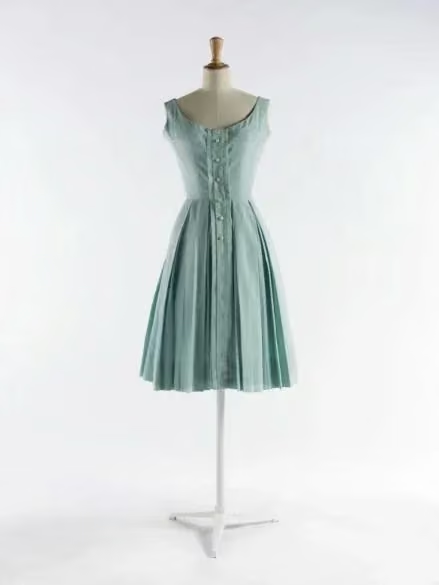
Checked day dress
Jacques Esterel · c. 1963
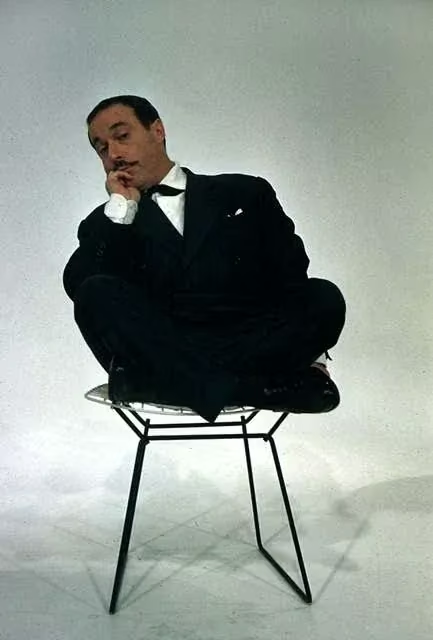
Jacques Esterel entered fashion after working as an engineer and songwriter, bringing an interest in performance to the presentation of clothes. His house opened in the 1950s and became widely known for the checked dress made for Brigitte Bardot’s 1959 wedding.
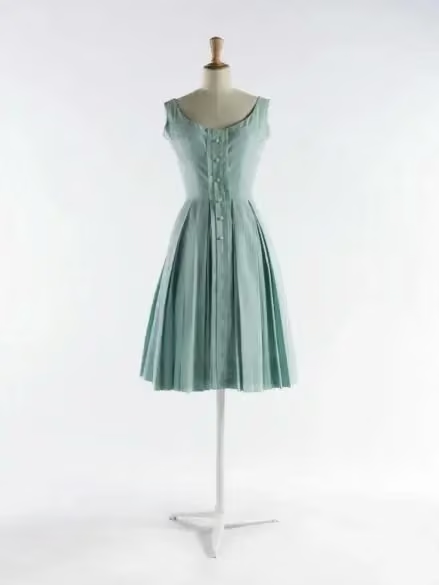
Collection selection
c. 1963 · Season not documented
A line of thirteen white buttons and a white waistband articulate the checked cotton dress; inverted pleats release fullness below the waist.
Palais Galliera / Paris Musées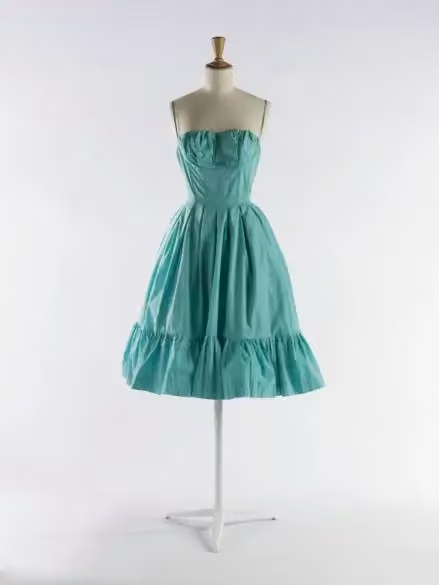
Collection selection
1959 · Selected archival work
The singer Dalida wore this fitted, full-skirted turquoise dress in 1959. Its narrow straps and lace-trimmed skirt contrast with its structured bodice.
Palais Galliera / Paris Musées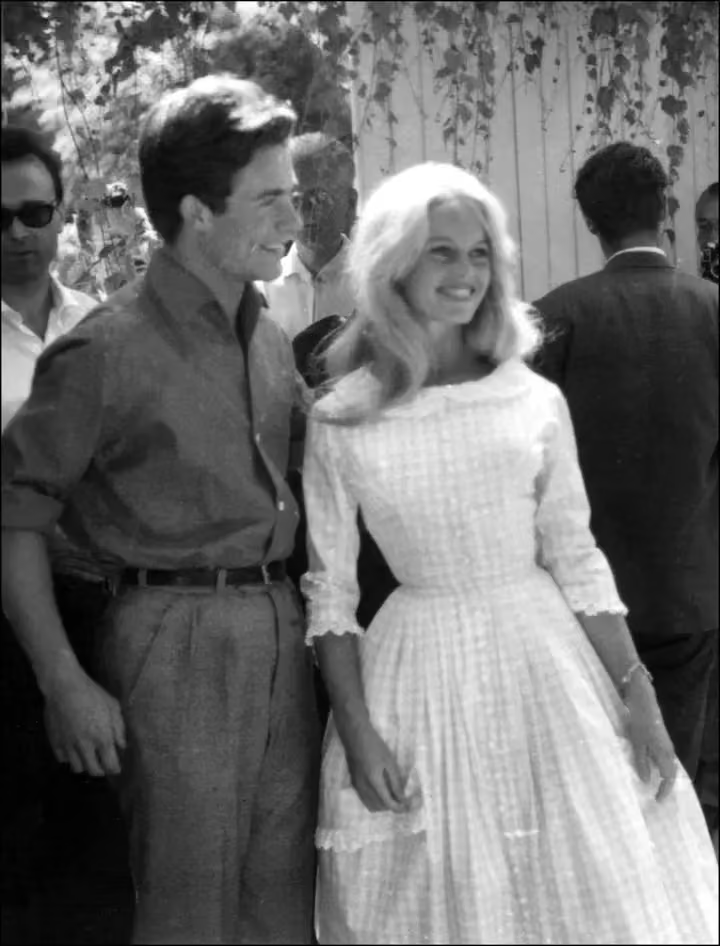
Archival wedding photograph; lower skirt outside frame
1959 · Brigitte Bardot
The pink-and-white gingham dress worn for Bardot’s marriage to Jacques Charrier made an informal cotton fabric a bridal fashion landmark.
Getty Images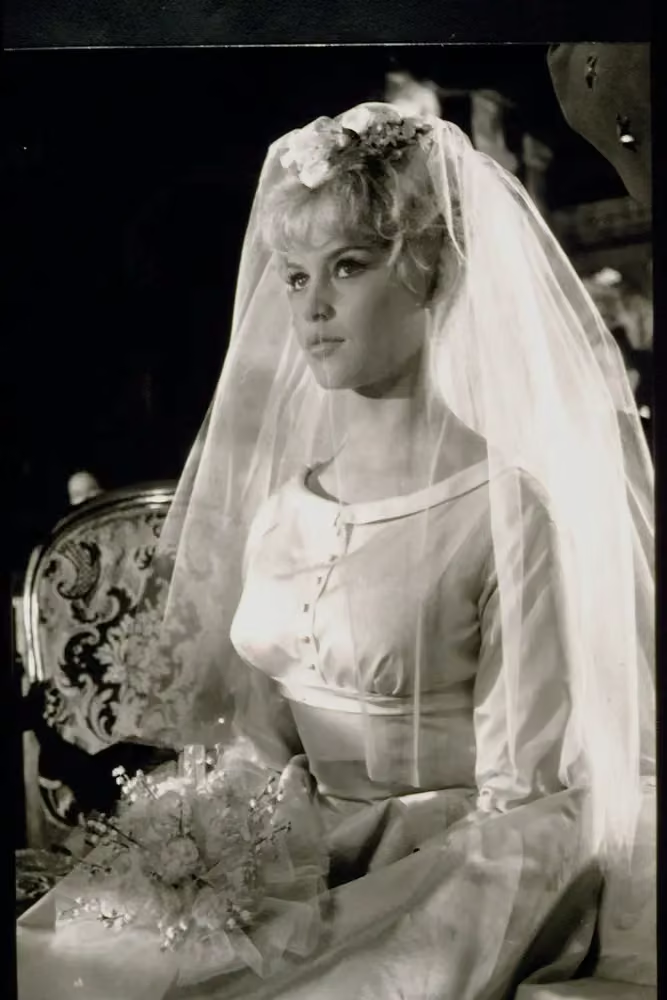
Film photograph showing bodice and veil
1957 · Brigitte Bardot
Esterel designed this fitted-waist bridal costume for Bardot’s role in Michel Boisrond’s Une Parisienne.
Sunset Boulevard / Getty Images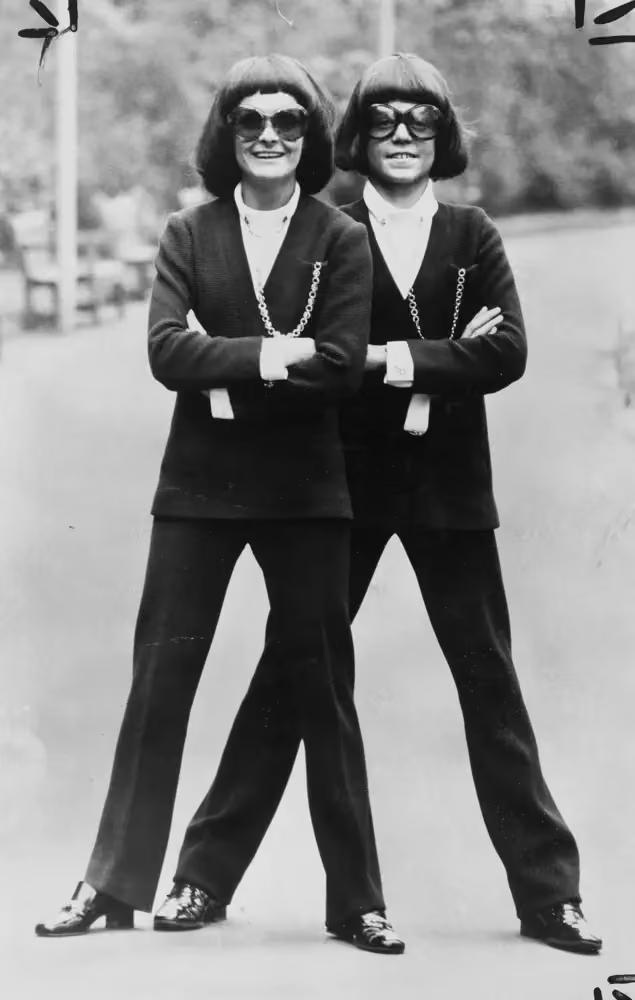
Landmark design
1969 · Unisex designs
Matching jackets, patterned shirts and flared trousers demonstrate Esterel’s unisex approach to dressing.
Daily Herald Archive / Getty Images1 piece
Jacques Esterel · c. 1963
Accessible ready-to-wear, bold publicity and experiments with unisex clothing broadened his work beyond formal couture. A checked cotton day dress of about 1963 shows how a familiar fabric could become distinctive through carefully placed buttons, a contrasting waistband and a skirt shaped by controlled pleats.