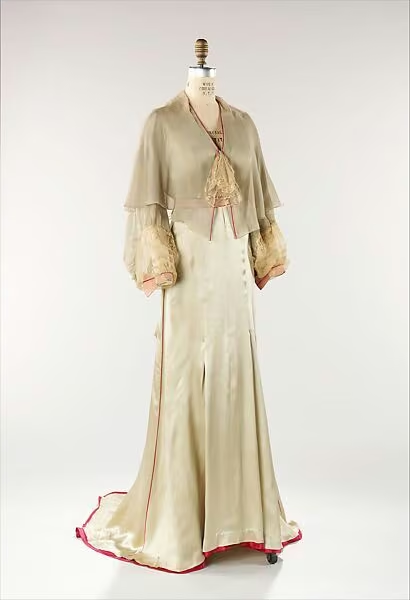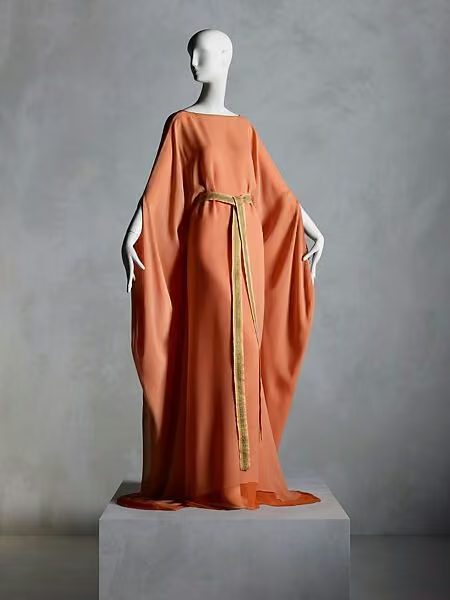
Tea gown
Jessie Franklin Turner · 1939
Jessie Franklin Turner developed a distinctive American practice around relaxed construction, thoughtful color and artistic tea gowns. The Met explains how these garments moved from private domestic wear into broader forms of entertaining and evening dress.
Collection selection
1939
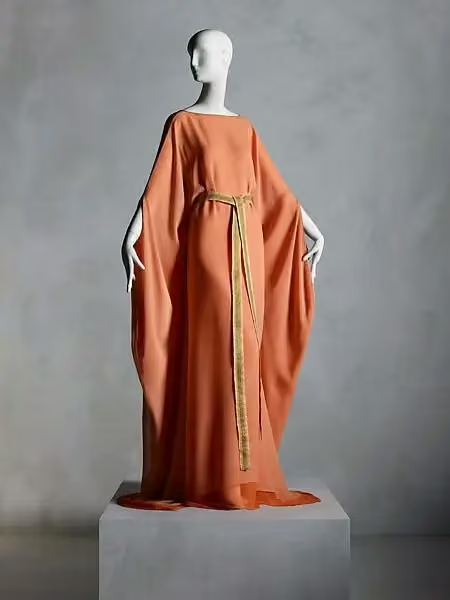
Loose silk-chiffon panels are drawn toward the body with a ribbon tie in Turner's 1939 tea gown. The Met explains that the adjustment shapes both bust and waist. Layering peach and apricot tones creates subtle color variation while preserving the ease associated with clothes for entertaining at home.
© 2019 Nicholas Alan Cope; Promised Gift of Sandy Schreier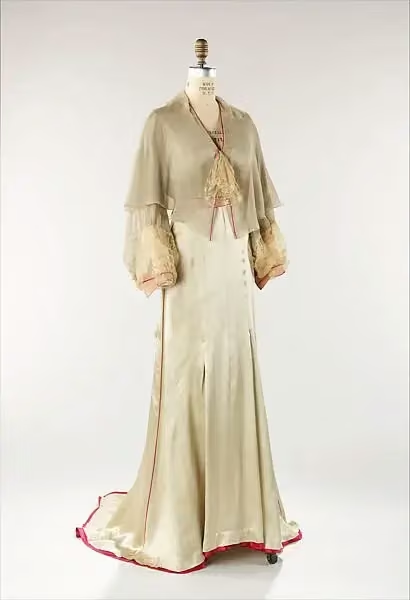
Collection selection
1940
Turner's 1940 tea gown joins satin, lace, chiffon and taffeta in a combination the Met identifies as characteristic of her work. Celadon tones meet pink and magenta accents. The garment represents an alternative form of formal dressing that developed from clothes originally worn in private domestic settings.
The Metropolitan Museum of Art; Brooklyn Museum Costume Collection at The Metropolitan Museum of Art, Gift of the Brooklyn Museum, 2009; Gift of Elizabeth Crawford, 1954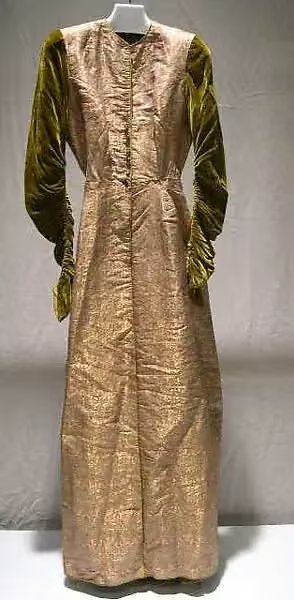
Collection selection
1942 · The Met collection
[no medium available].
The Metropolitan Museum of Art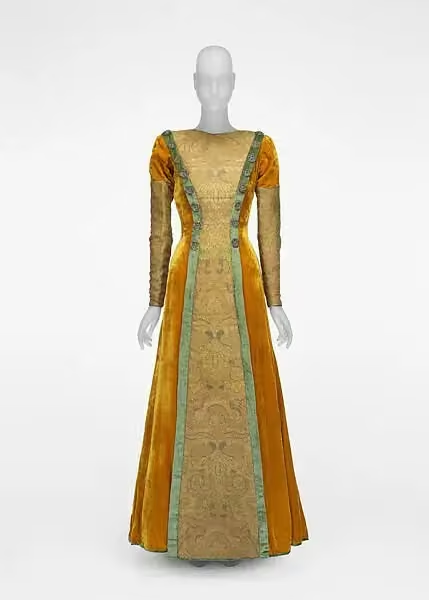
Collection selection
1942 · The Met collection
Silk.
The Metropolitan Museum of Art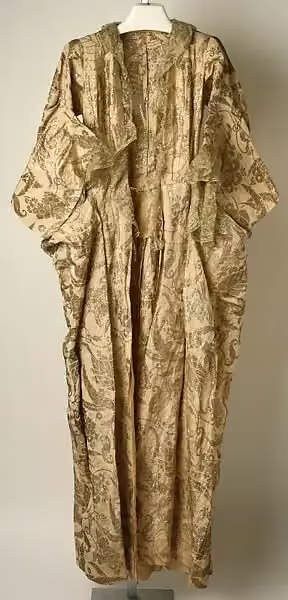
Collection selection
1939 · The Met collection
Silk.
The Metropolitan Museum of Art1 piece · Season not recorded
1 piece · Season not recorded
Ribbon adjustments, layered chiffon and unexpected combinations of satin, lace and taffeta let ease coexist with a luxurious appearance.