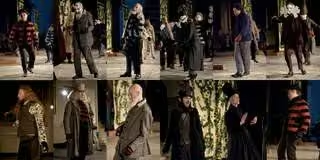
Historically inspired menswear — Fashion in Motion
John Alexander Skelton · Presented in 2018
United Kingdom
John Alexander Skelton draws on British history, folk performance and the politics of cloth to develop expressive menswear. Trained at London College of Fashion and Central Saint Martins, he works with materials such as antique bedsheets and grain sacks.

Collection selection
Fall 2025 Menswear
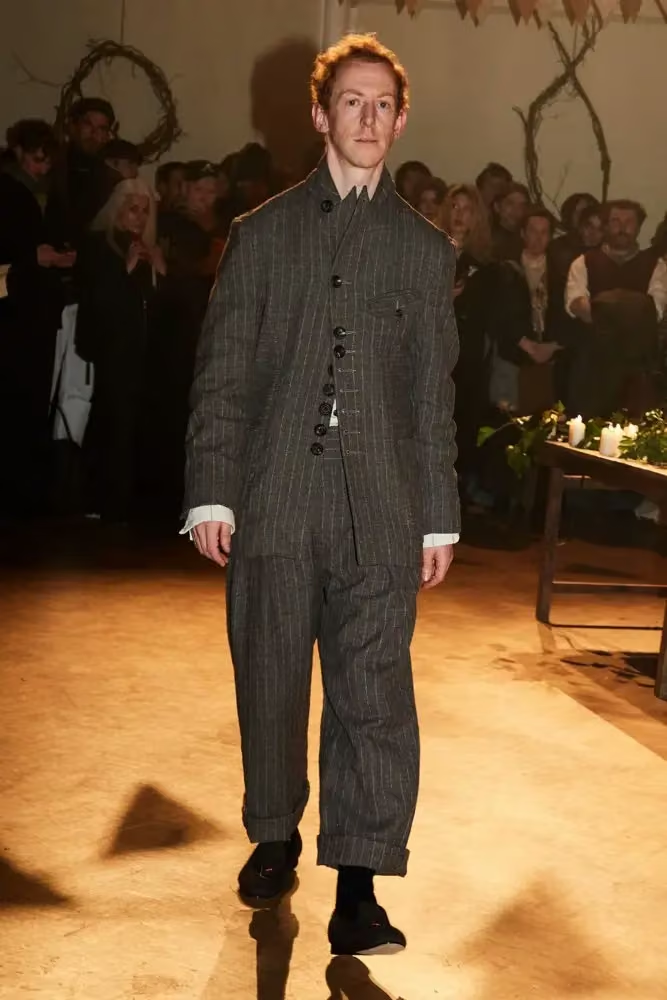
A long line of buttons and narrow collar give the grey suit a historical inflection.
Lonny Spence / Courtesy of John Alexander Skelton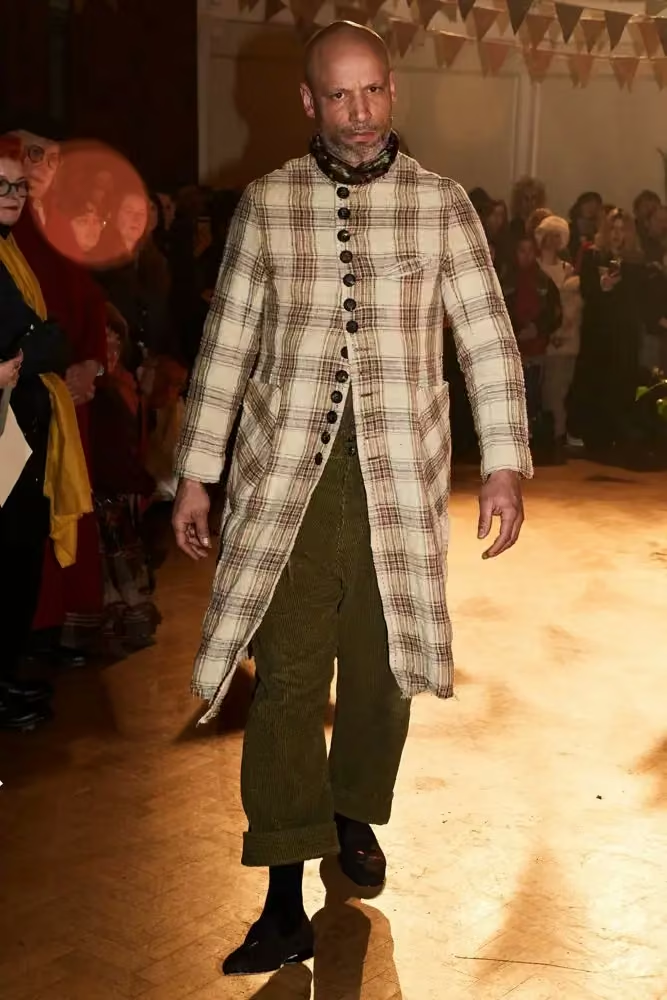
Collection selection
Fall 2025 Menswear
Large checks and a gently flared hem give the long coat an individual silhouette.
Lonny Spence / Courtesy of John Alexander Skelton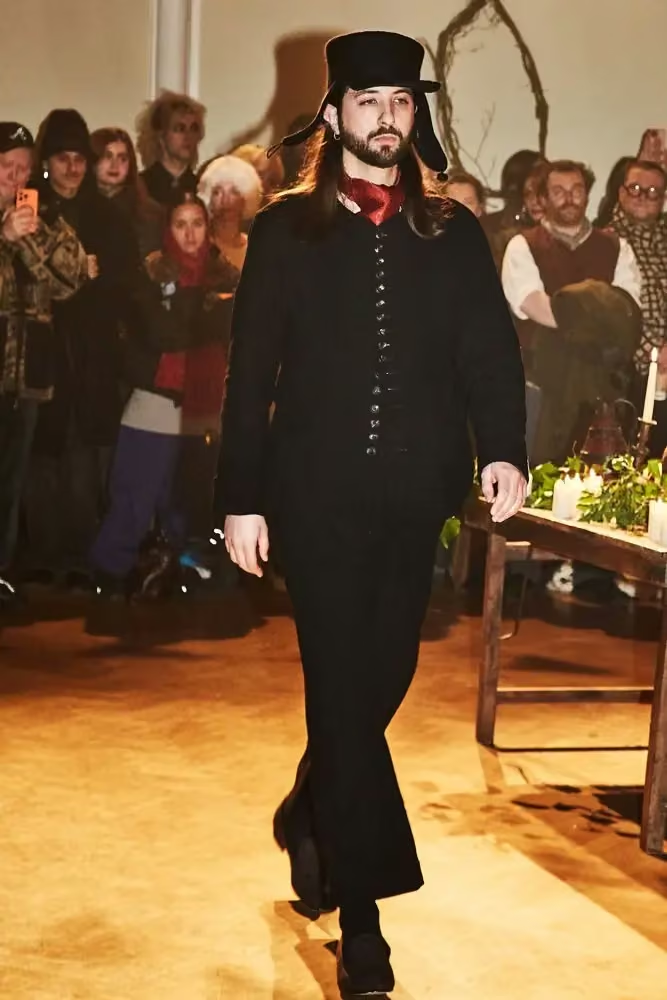
Collection selection
Fall 2025 Menswear
High-buttoned black tailoring is paired with a tall hat, emphasizing the collection’s period references.
Lonny Spence / Courtesy of John Alexander Skelton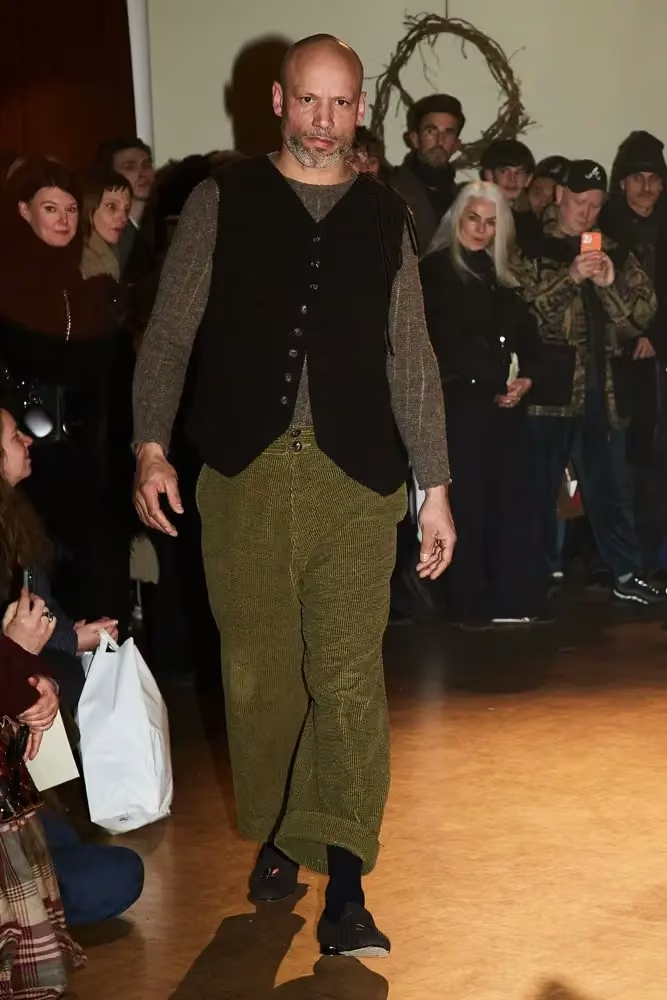
Collection selection
Fall 2025 Menswear
A separate waistcoat and loose trousers offer a more informal variation on the season’s tailoring.
Lonny Spence / Courtesy of John Alexander Skelton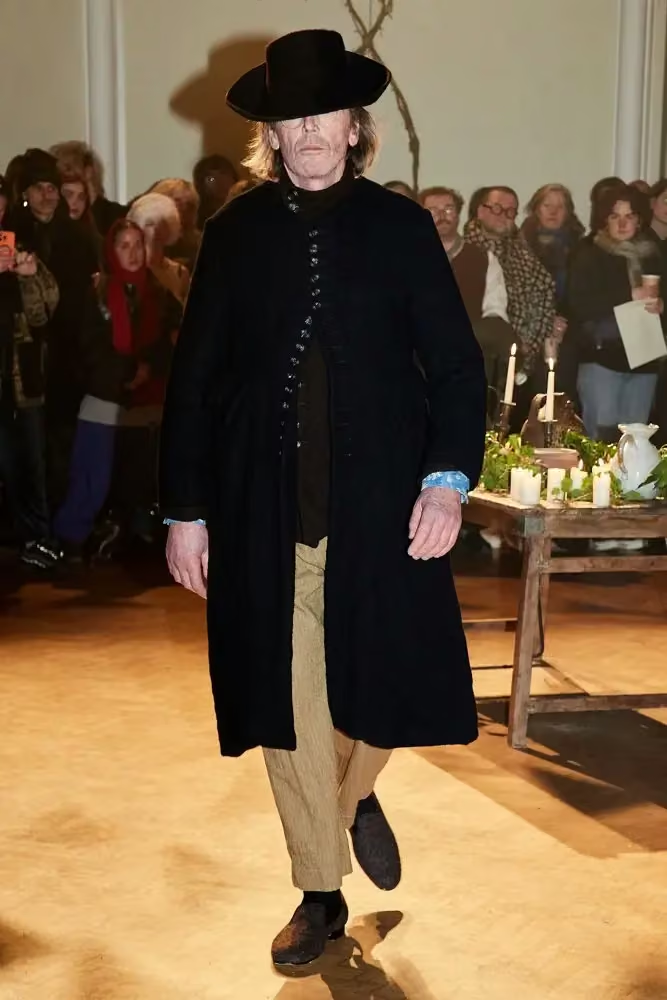
Collection selection
Fall 2025 Menswear
A long coat, light trousers and broad hat form a layered silhouette with a strong vertical line.
Lonny Spence / Courtesy of John Alexander Skelton1 piece
John Alexander Skelton · Presented in 2018
Hand dyeing, painting, patching and repeated washing transform these fabrics into voluminous garments that reconsider historical forms and inherited craft.
READ FURTHER
V&A — Fashion in Motion: John Alexander Skelton