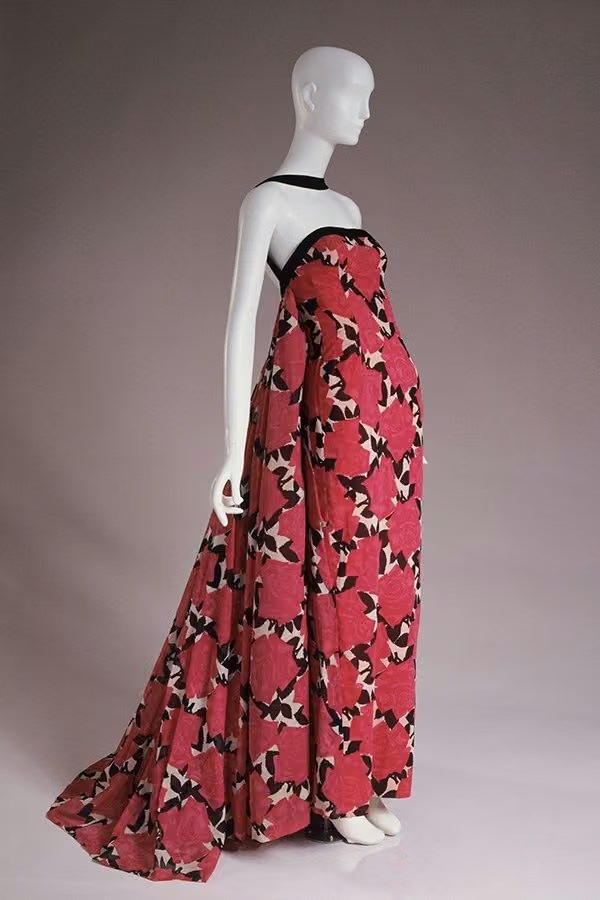
Strapless floral evening dress and stole
Luis Estévez · c. 1957 or c. 1959 (sources differ)
Cuba / United States
Luis Estévez studied architecture in Havana before turning to fashion in New York. Known for flowing fabrics, striking necklines and open backs, he designed for private clients as well as wider audiences through ready-to-wear and sewing patterns.
Collection selection
Circa 1959; season not stated
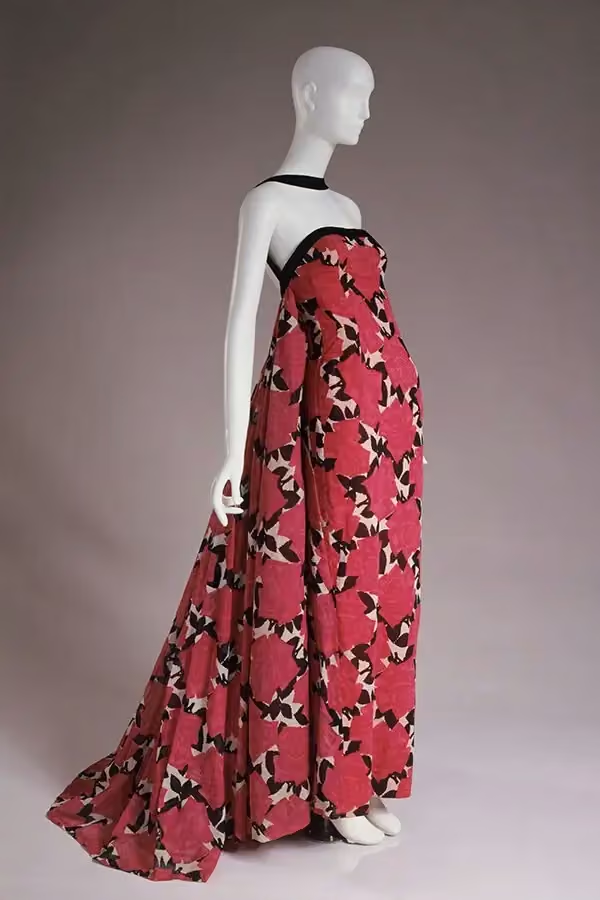
This cotton evening gown and shawl use an abstract rose design, an unconventional fabric choice for formalwear. FIT’s exhibition object label dates it circa 1959; the webpage image caption gives circa 1957.
The Museum at FIT; gift of Sylvia Levine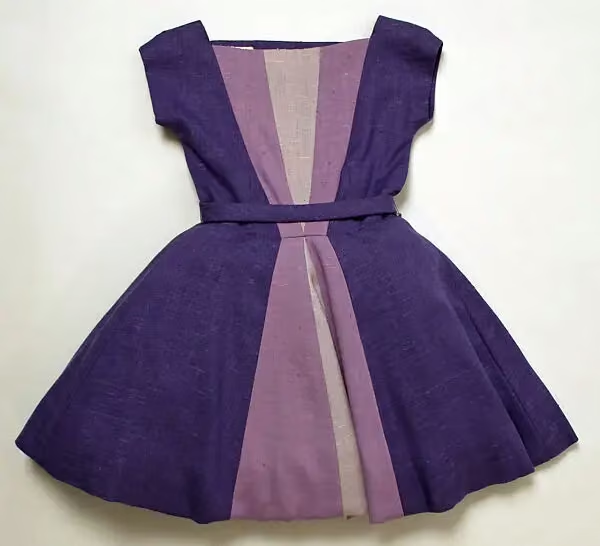
Collection selection
1958 · Season not stated
Contrasting lavender panels create a graphic centre line through the fitted bodice and full skirt of this linen-and-cotton dress.
The Metropolitan Museum of Art, C.I.59.2.7a,b; gift of Luis Estévez, 1959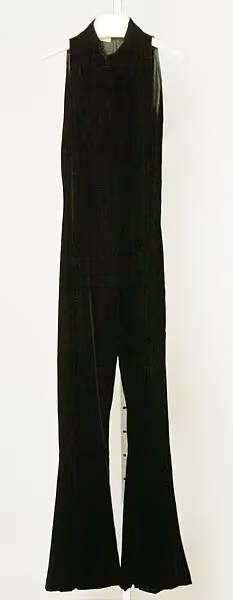
Collection selection
1963 · Season not stated
The long sleeveless jumpsuit offers an evening silhouette built around trousers and a pared-back vertical line.
The Metropolitan Museum of Art, 1974.384.2; gift of Jane Holzer, 1974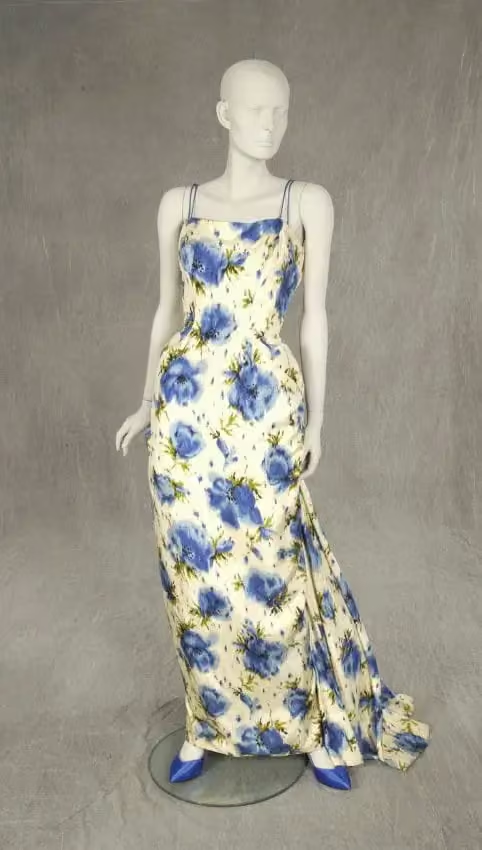
Collection selection
1956–1959 · Season not stated
Large blue flowers cover an off-white silk gown whose low back gathers into a train, documented by Ohio State’s costume collection.
Historic Costume & Textiles Collection, The Ohio State University; individual photographer not stated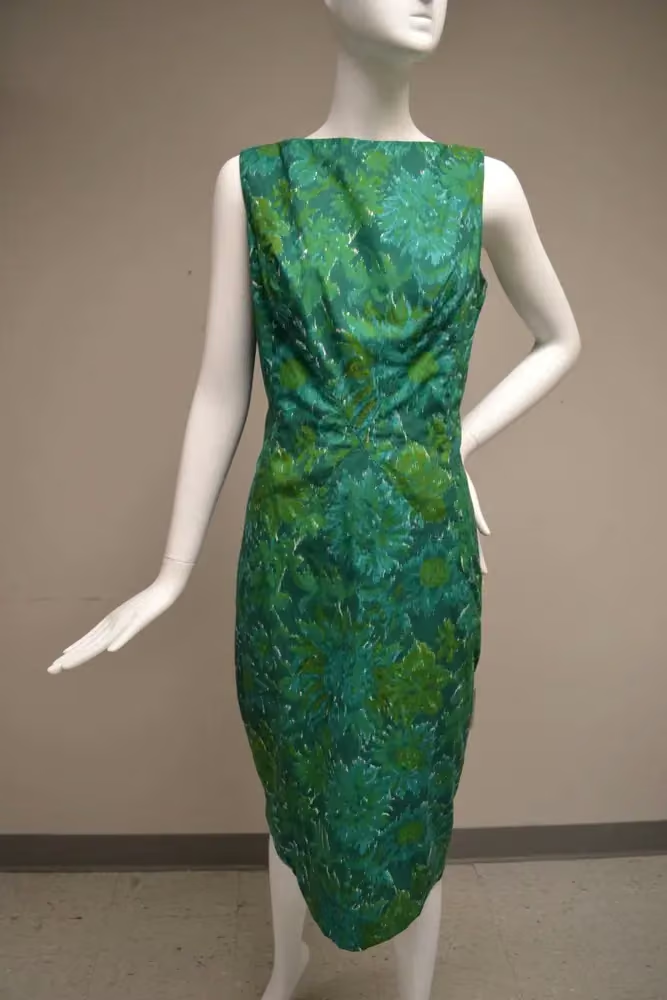
Collection selection
1950–1959 · Season not stated
The green patterned dress contrasts a controlled front with a fuller sacque back, illustrating Estévez’s interest in the shape of the back as well as the neckline.
Historic Costume & Textiles Collection, The Ohio State University; individual photographer not stated1 piece
Luis Estévez · c. 1957 or c. 1959 (sources differ)
After moving to Los Angeles in 1968, he also created screen costumes, while his work for Betty Ford connected public visibility with accessible fashion.