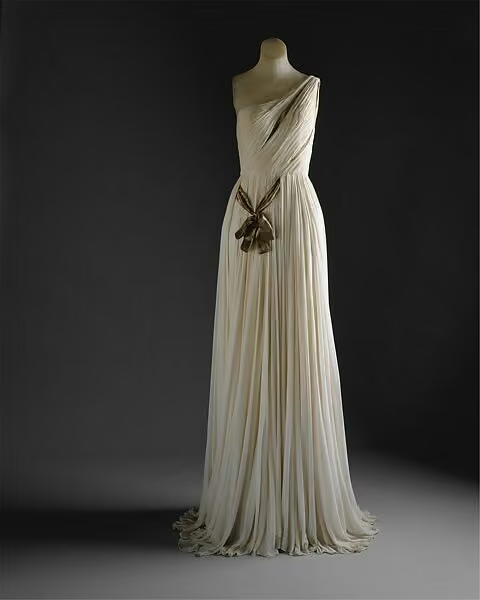
Evening dress
Madame Grès · fall/winter 1954–55
Madame Grès built sculptural evening dresses by manipulating fabric rather than simply decorating a finished silhouette. In the museum examples here, silk runs vertically through the garment, changing from loose skirt folds to tight pleats, twists and shaped bands above the waist.
Official house website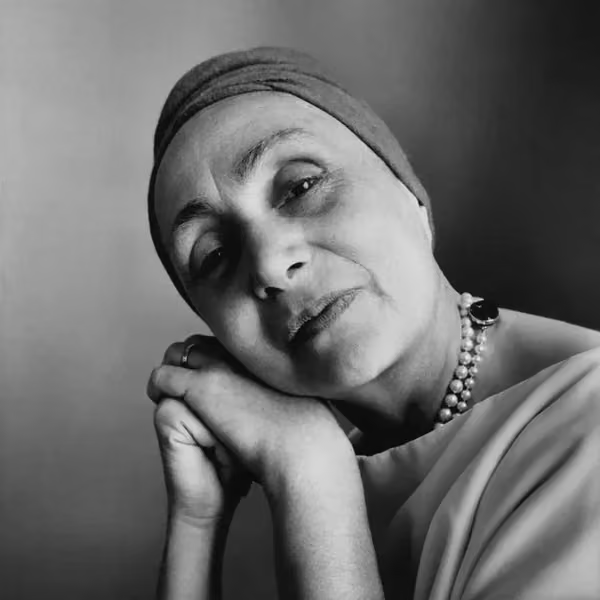
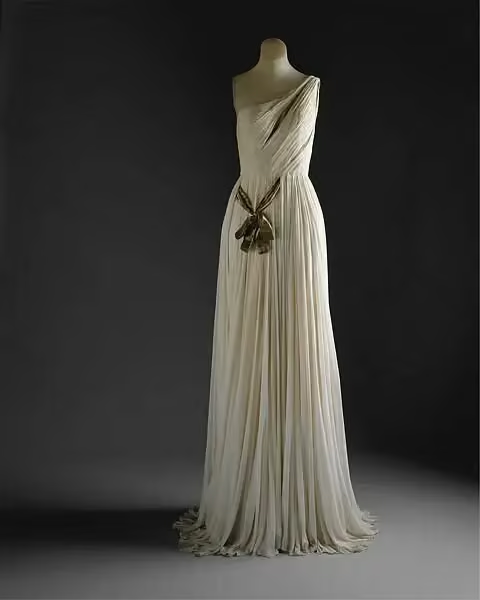
Collection selection
fall/winter 1954–55
Grès shaped this fall/winter 1954–55 evening dress from silk jersey panels running vertically through the garment. The Met describes loose folds below the waist tightening into intricate pleating above it. Its one-shouldered form demonstrates how draping and carefully controlled gathers could create structure while preserving the fabric's apparent fluidity.
The Metropolitan Museum of Art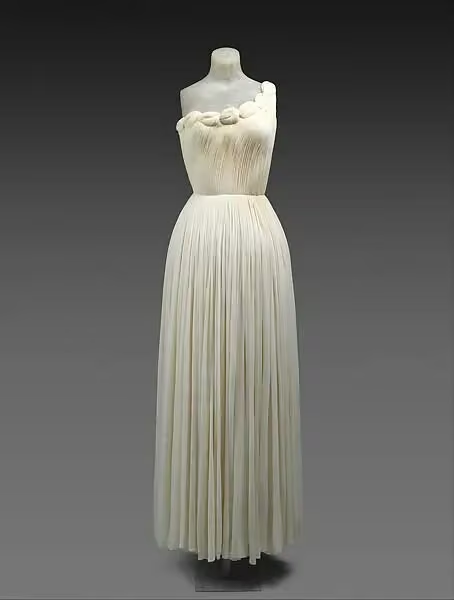
Collection selection
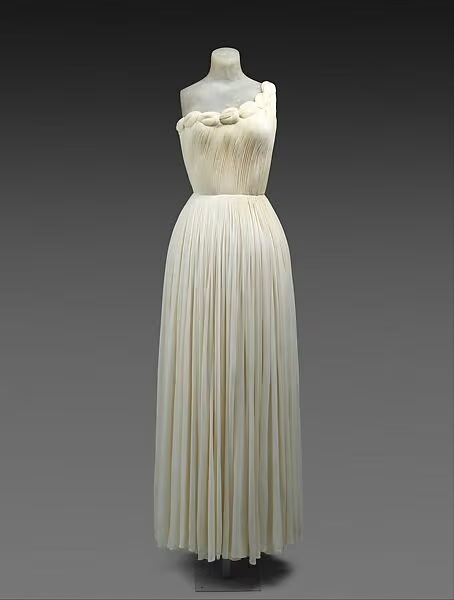
1958
Grès conceived this 1958 gown as a continuous fabric cylinder, adding only a small triangle beneath the arm. The Met describes how close tucks suggest a waist seam while allowing the lower fabric to open into fluid folds. Twists at the neckline complete a garment whose sculptural effect comes from manipulating the same continuous material.
The Metropolitan Museum of Art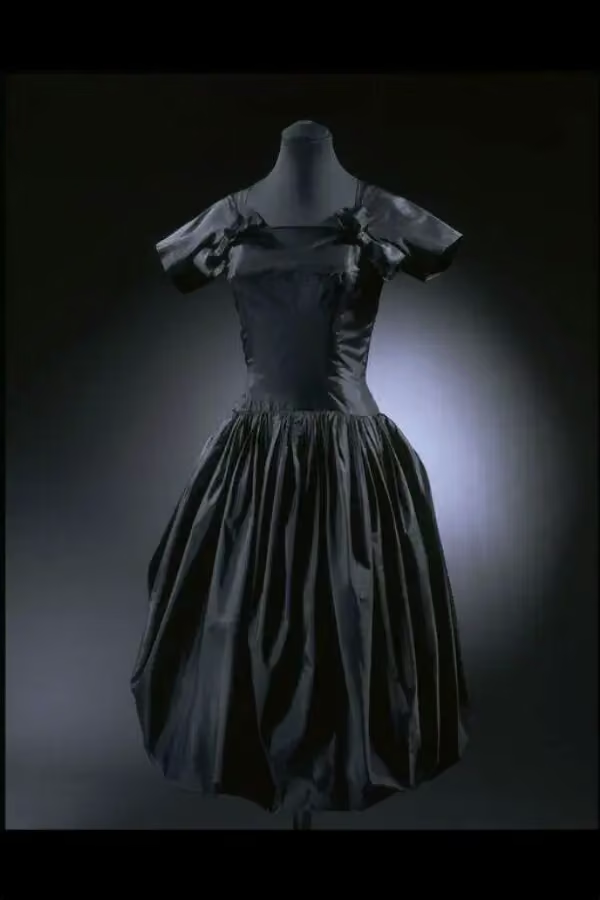
Collection selection
ca. 1950 · V&A collection
Silk taffeta lined with silk organza, and boned.
© Victoria and Albert Museum, London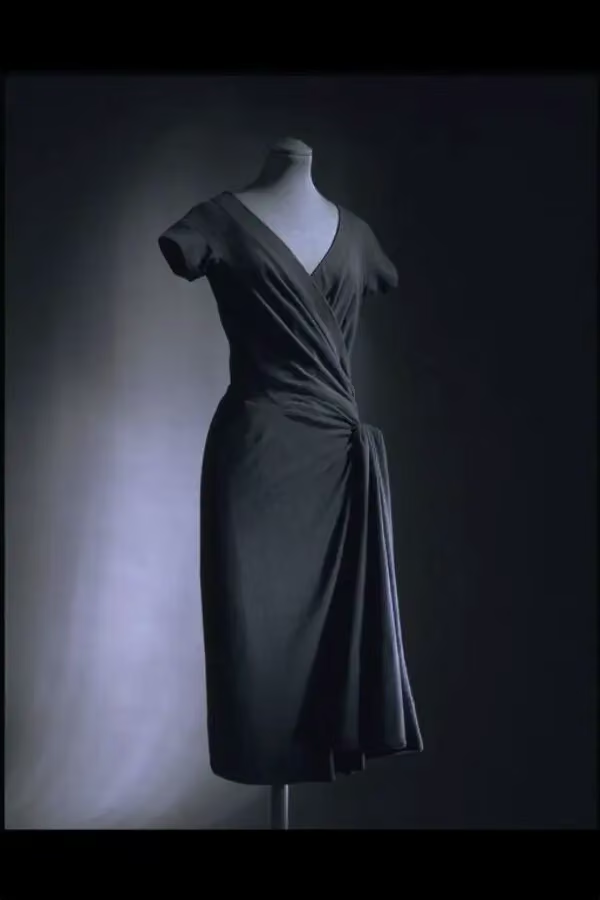
Collection selection
1957-1959 · V&A collection
Draped jersey, silk and wool.
©Victoria and Albert Museum, London/ Madame Grès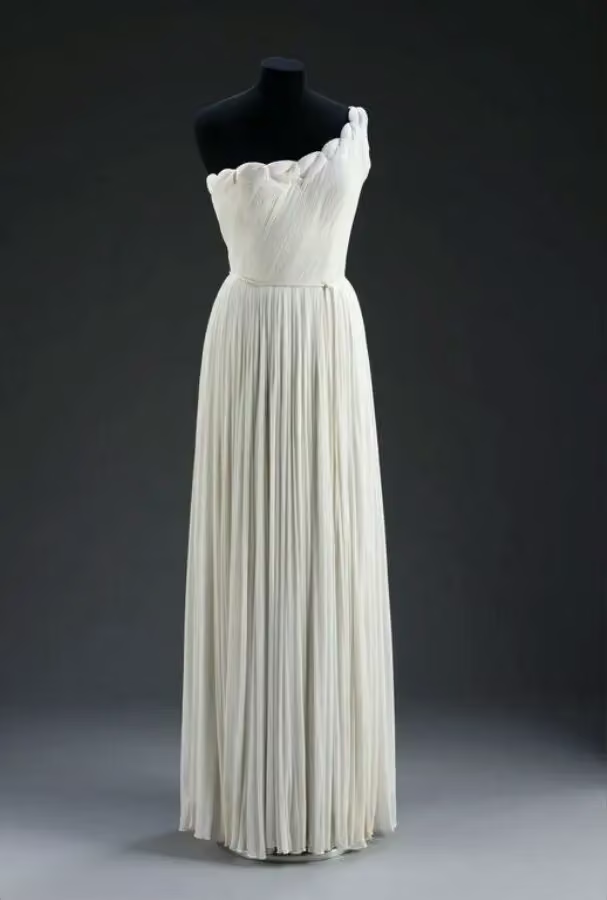
Collection selection
1971 · V&A collection
Pleated jersey, silk crepeline, boned, wired brassiere, silk crêpe, grosgrain, machine and hand stitched.
© Victoria and Albert Museum, London1 piece
Madame Grès · fall/winter 1954–55
1 piece · Season not recorded
Madame Grès · 1958
Her method makes continuity and controlled draping central to both the construction and the appearance of dress.