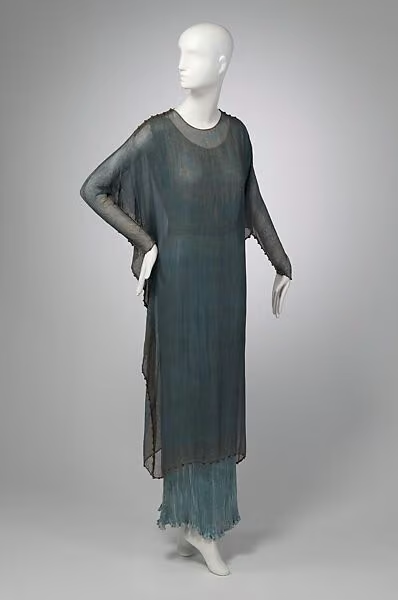
"Delphos"
Mariano Fortuny · ca. 1920
Mariano Fortuny’s work in Venice connected textiles with painting, theatre and dress. The finely pleated Delphos gown belongs to a collaborative history with Adèle Henriette Elisabeth Nigrin Fortuny.
Official house website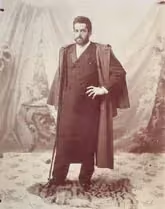
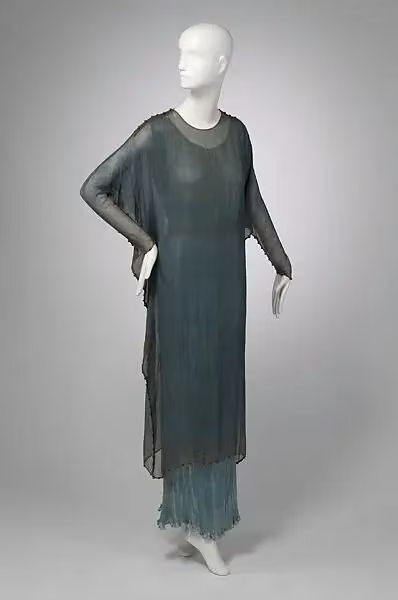
Collection selection
ca. 1920
Fine vertical pleats let the silk open and close around the wearer, creating the Delphos gown’s fluid outline. The Met credits Adèle Henriette Elisabeth Nigrin Fortuny alongside Mariano Fortuny on this circa-1920 example. The date is approximate and the museum does not identify a collection season.
The Metropolitan Museum of Art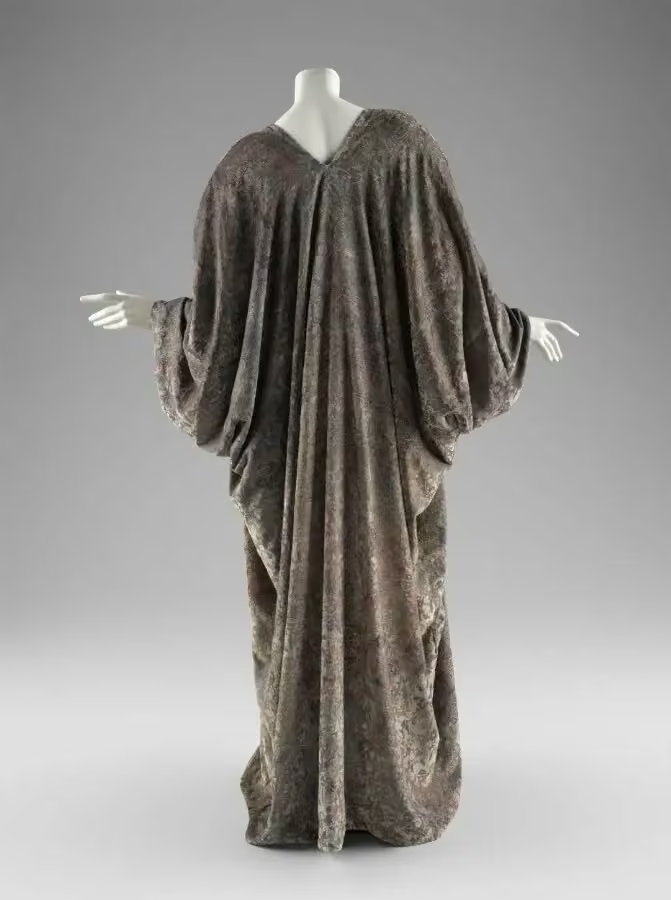
Collection selection
ca. 1920 · V&A collection
Metallic printed silk velvet, faced and lined with corded silk.
© Victoria and Albert Museum, London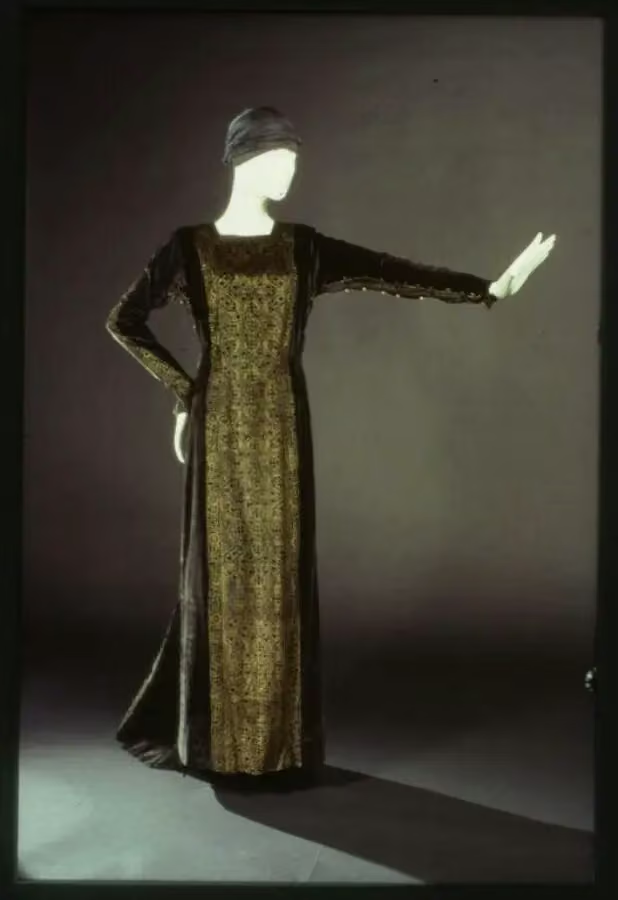
Collection selection
1920-1929 · V&A collection
Velvet and pleated silk.
© Victoria and Albert Museum, London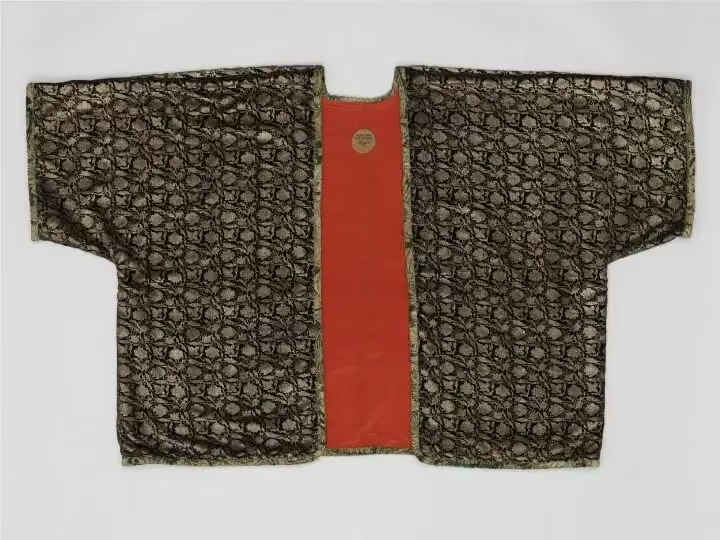
Collection selection
ca. 1920 · V&A collection
Metallic printed cut silk velvet, roller printed, lined in corded silk.
© Victoria and Albert Museum, London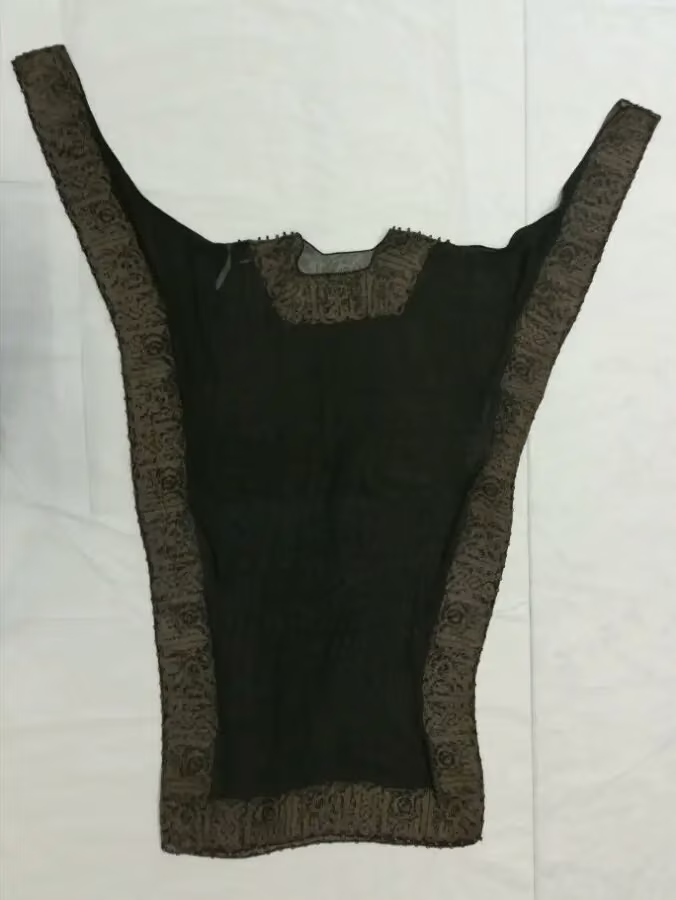
Collection selection
1920s · V&A collection
Gold patterned georgette, bound with gold cord, threaded with beads.
©Victoria & Albert Museum, London1 piece · Season not recorded
Mariano Fortuny · ca. 1920
The Delphos turns a simple, long outline into a responsive surface. Fine vertical pleats allow the silk to open and close around the wearer; the changing folds also catch light as the body moves. Its apparent simplicity comes from the treatment of the textile as much as from the garment’s cut.
Henriette’s contribution is part of the object record, not only a biographical footnote. The Met credits both her and Mariano on the circa-1920 Delphos indexed here and on a circa-1936 example. Museo Fortuny likewise describes their shared development of the dress. These historic garments should be understood through that collaboration, rather than assuming that every later product bearing the Fortuny name was made by the same people.