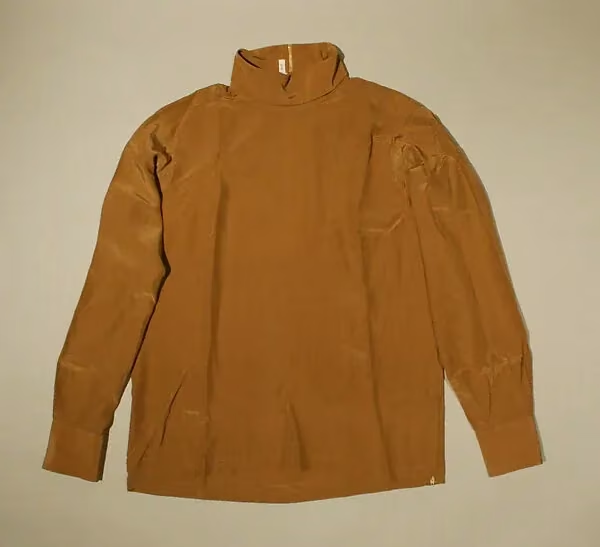
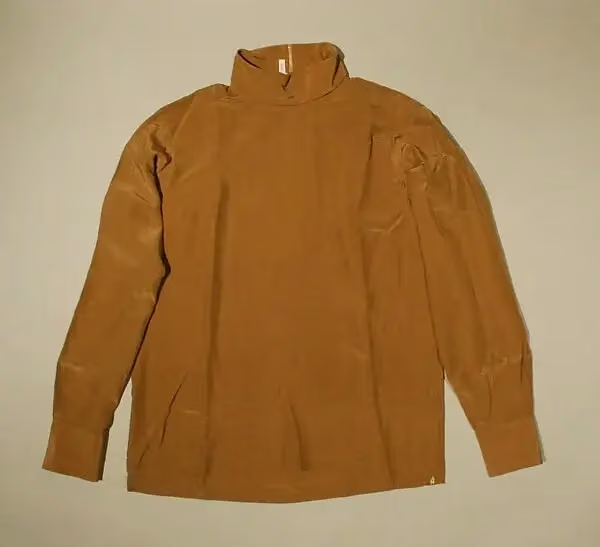
Silk shirt
Michael Fish · c. 1965
Michael Fish helped make British menswear more flamboyant during the 1960s and early 1970s. After working as a shirtmaker, he opened the Mr. Fish boutique with Barry Sainsbury in 1966.
Collection selection
c. 1965 · Season not documented
Fish’s silk shirt belongs to the expansion of expressive menswear associated with the 1960s Peacock Revolution.
The Metropolitan Museum of Art, gift of Mario J. Forte, 1978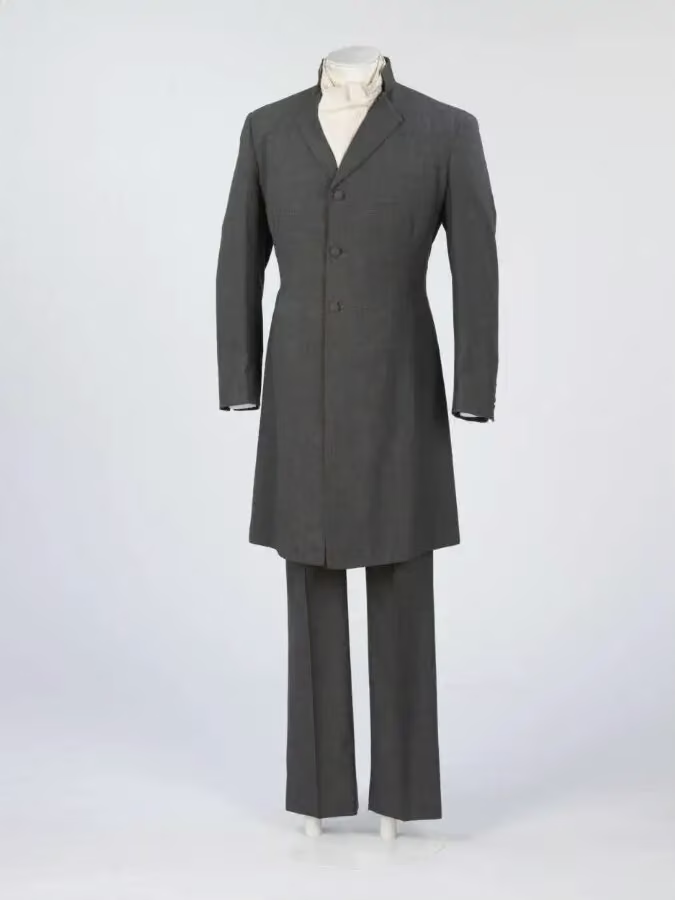
Collection selection
1967 · V&A collection
Wool and synthetic fabrics, machine sewn and hand finished.
©Victoria and Albert Museum, London/Mr Fish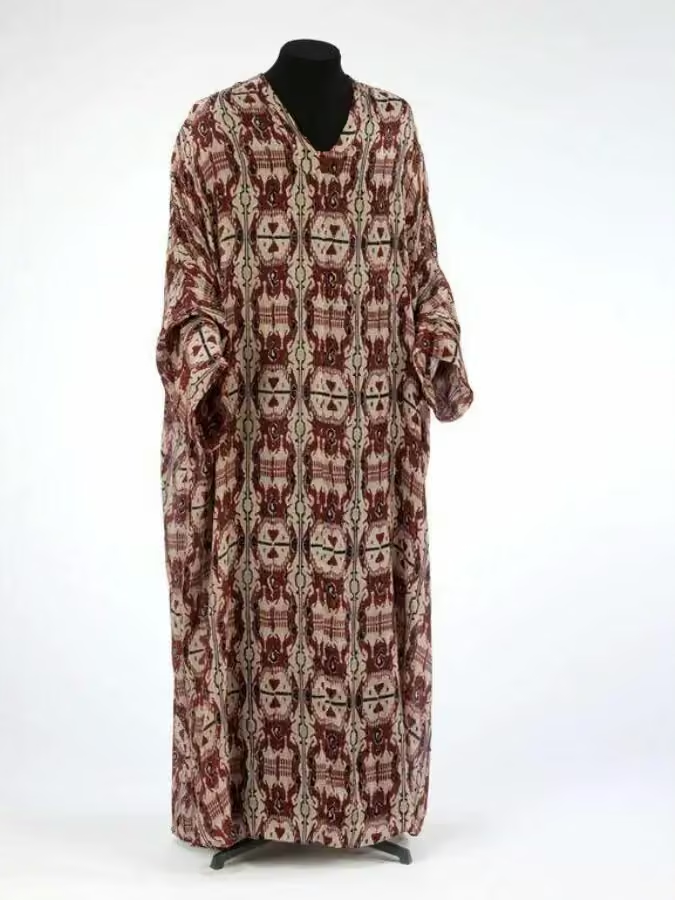
Collection selection
1973 · V&A collection
Printed silk
©Victoria and Albert Museum, London/Mr Fish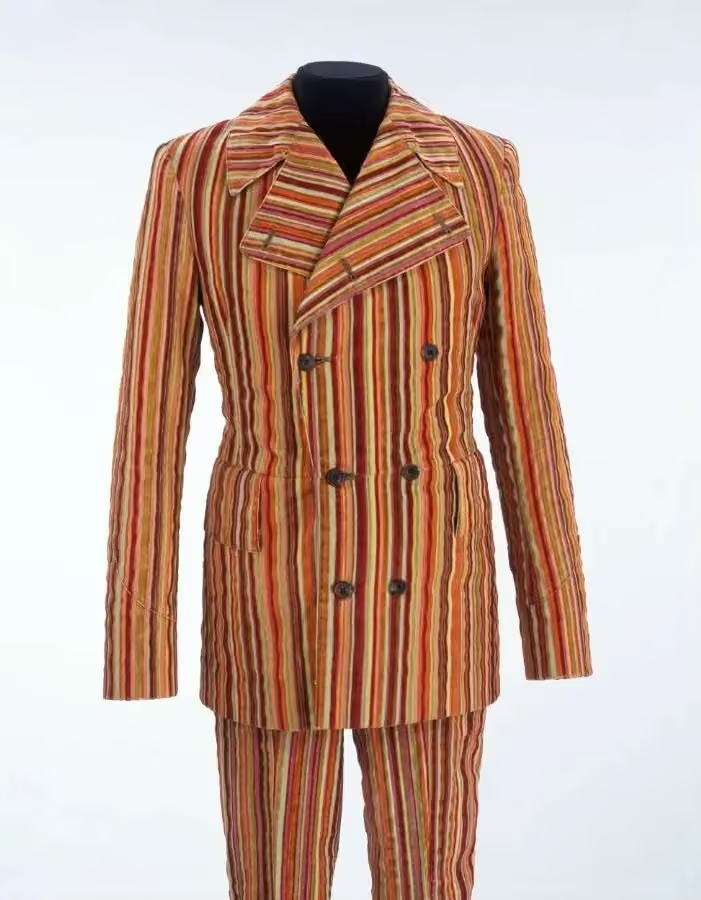
Collection selection
ca. 1968 · V&A collection
Printed cotton velvet, lined with silk, metal, padded
©Victoria and Albert Museum, London/Mr Fish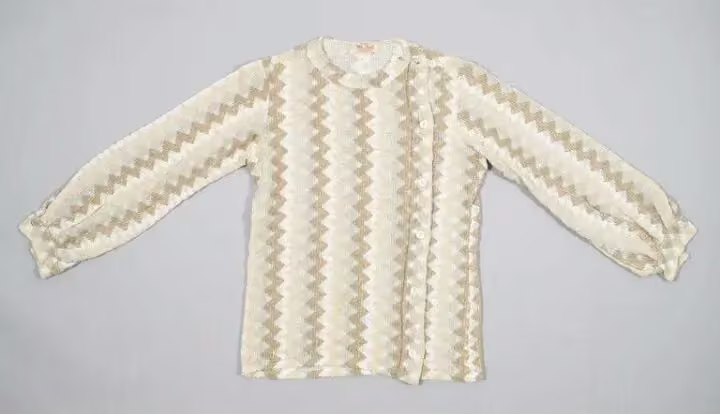
Collection selection
ca. 1970 · V&A collection
Knitted cotton and mother-of-pearl buttons
© Victoria and Albert Museum, London1 piece
Michael Fish · c. 1965
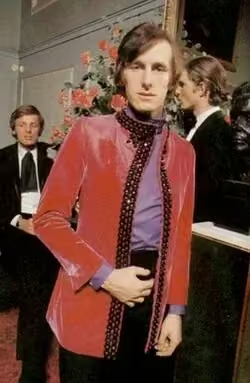
Wide kipper ties, richly colored shirts, caftans and other unconventional shapes offered alternatives to restrained business dress. His customers included performers who carried those ideas onto the stage and into popular imagery. The silk shirt held by The Metropolitan Museum of Art situates his work within the wider Peacock Revolution, when fabric, pattern and personal display became central to fashionable menswear.