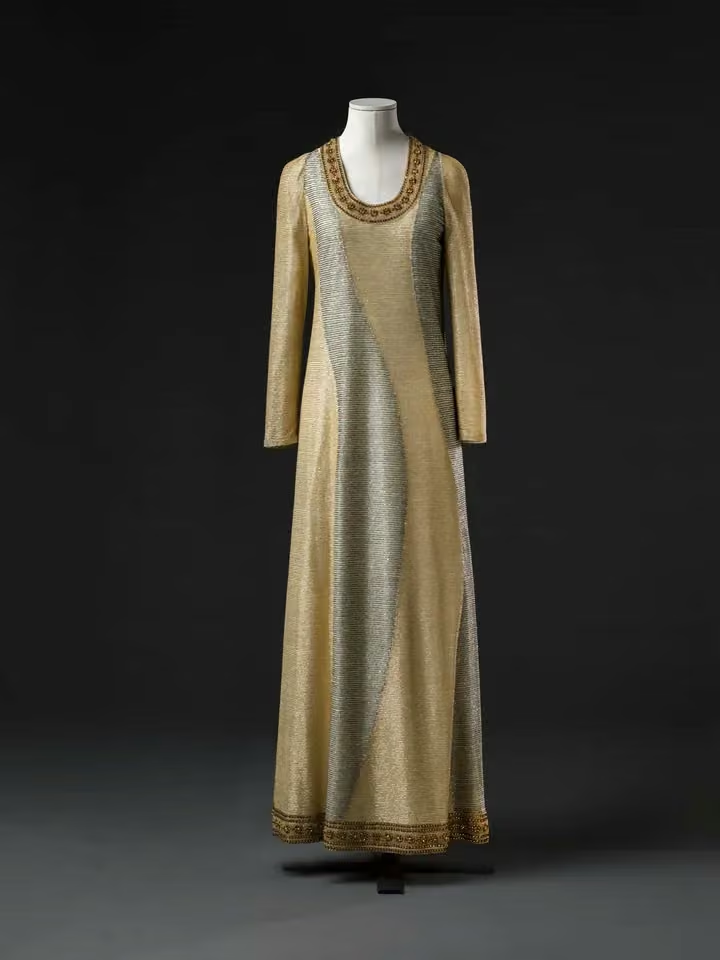
Long evening dress
Mila Schön · Autumn/Winter 1966–67
Mila Schön established her Milan atelier in 1958 and became known for clothing shaped by restraint, proportion and close attention to fabric. Her work often used double-faced materials to give garments a clean appearance inside and out, reducing the need for visible embellishment.
Mila Schön — current house (Coronet)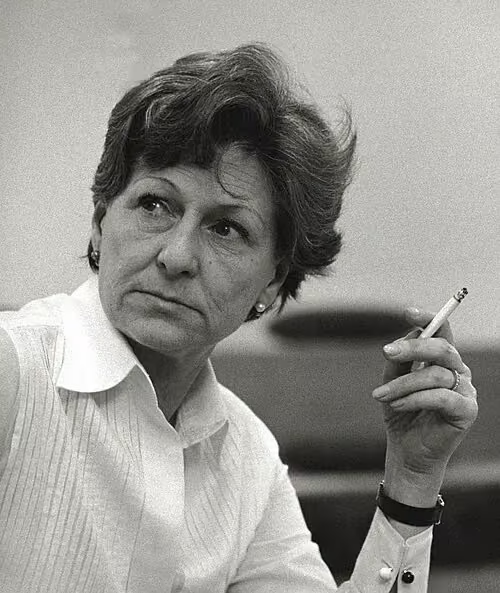
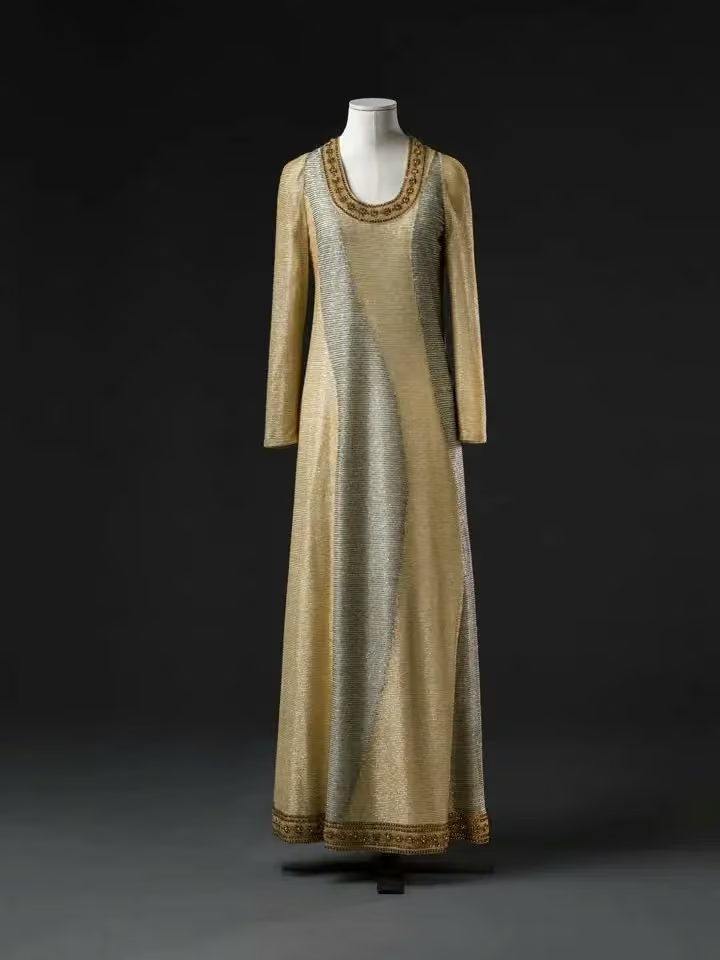
Collection selection
Autumn/Winter 1966–67
Wavelike gold and silver beadwork makes the surface of a simple long dress visually active without adding volume to its outline.
Gallerie degli Uffizi, gift of Umberto Tirelli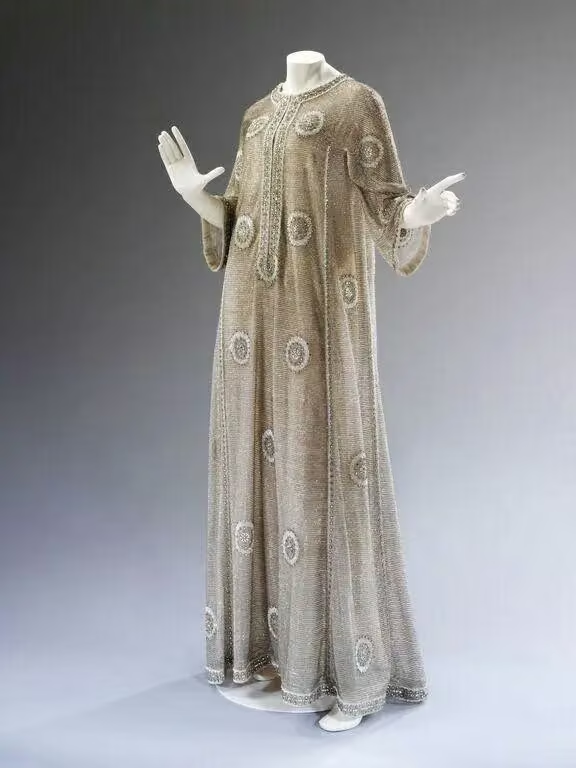
Collection selection
1966 · Victoria and Albert Museum collection; original collection not stated
Large circular motifs animate a simple, loose evening silhouette.
©Victoria and Albert Museum, London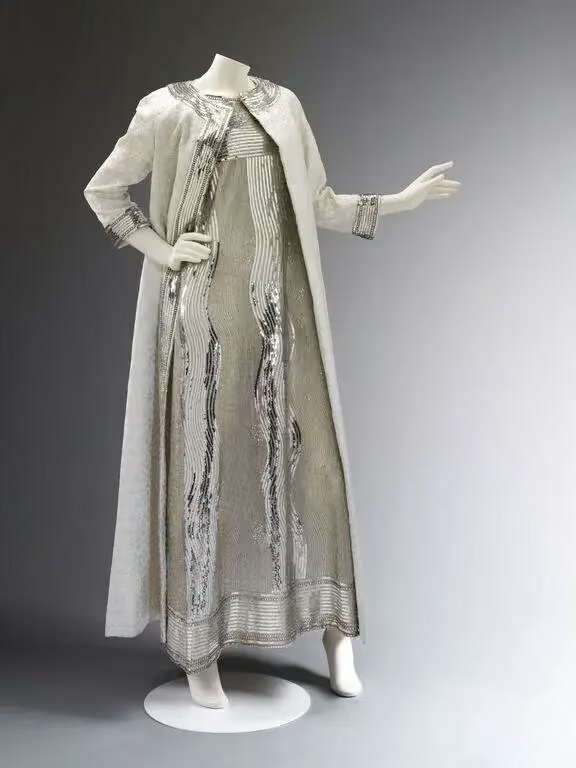
Collection selection
1966 · Victoria and Albert Museum collection; original collection not stated
Vertical decoration links the long dress to a coordinating coat.
©Victoria and Albert Museum, London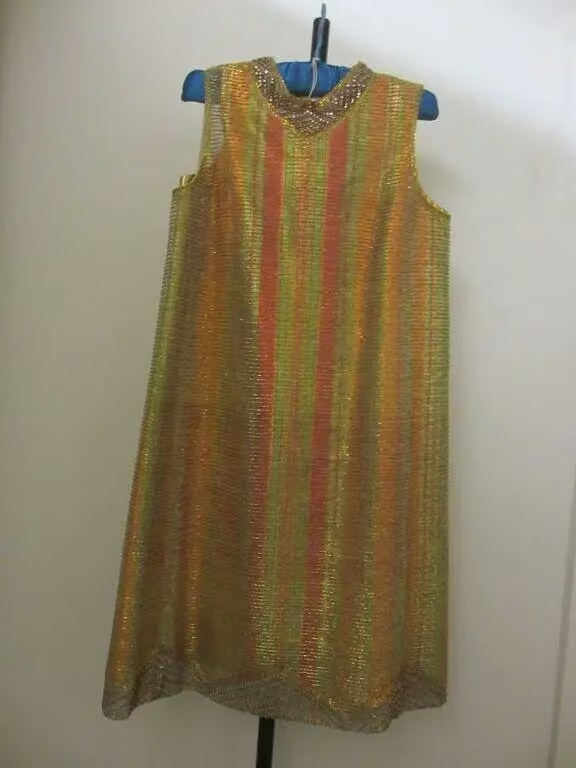
Collection selection
1967 · Victoria and Albert Museum collection; original collection not stated
Narrow bands of color make a simple sleeveless dress read as a continuous patterned surface.
© Victoria and Albert Museum, London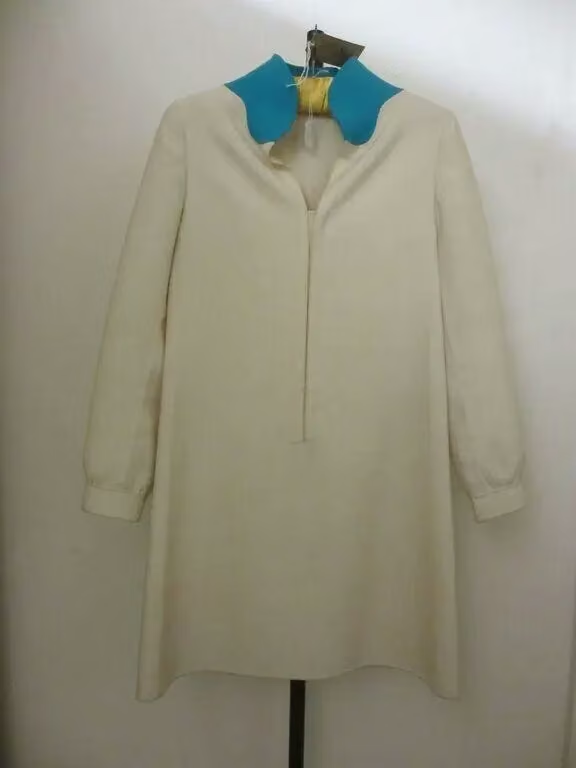
Collection selection
ca. 1965 · Victoria and Albert Museum collection; original collection not stated
The plain, long-sleeved underdress reveals the simple garment structure beneath a layered ensemble.
© Victoria and Albert Museum, London1 piece
Mila Schön · Autumn/Winter 1966–67
Abstract art provided another source of ideas, translated through line, color and surface rhythm. Eveningwear could be richly decorated while retaining a simple outline. A long dress from Autumn/Winter 1966–67 uses waves of glass bugle beads and rhinestones to animate a slender silhouette rather than build up its volume.