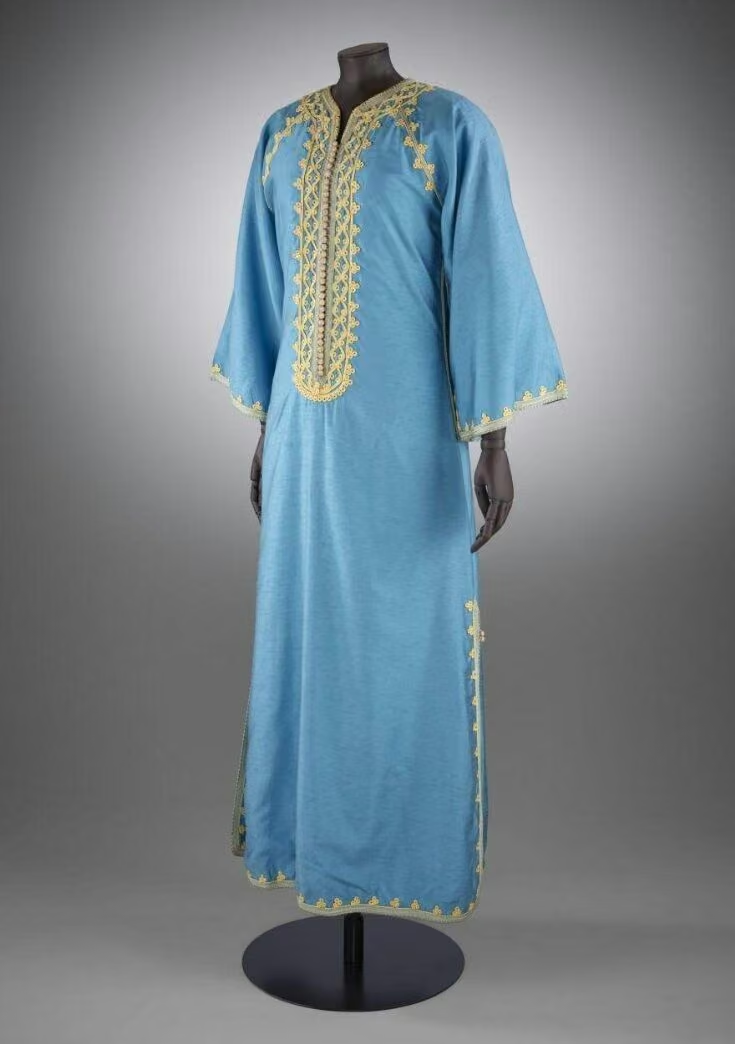
Silk caftan with couched silk-cord decoration
Naïma Bennis · Date not documented
Morocco
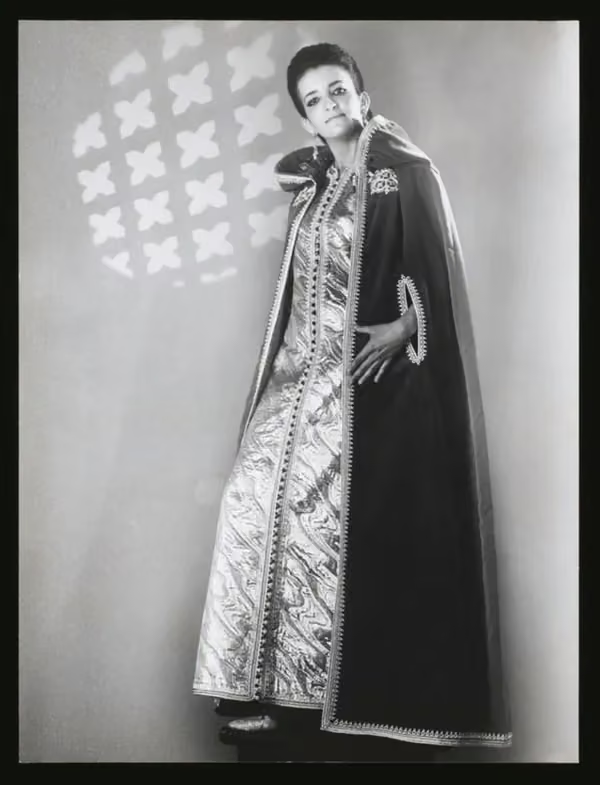
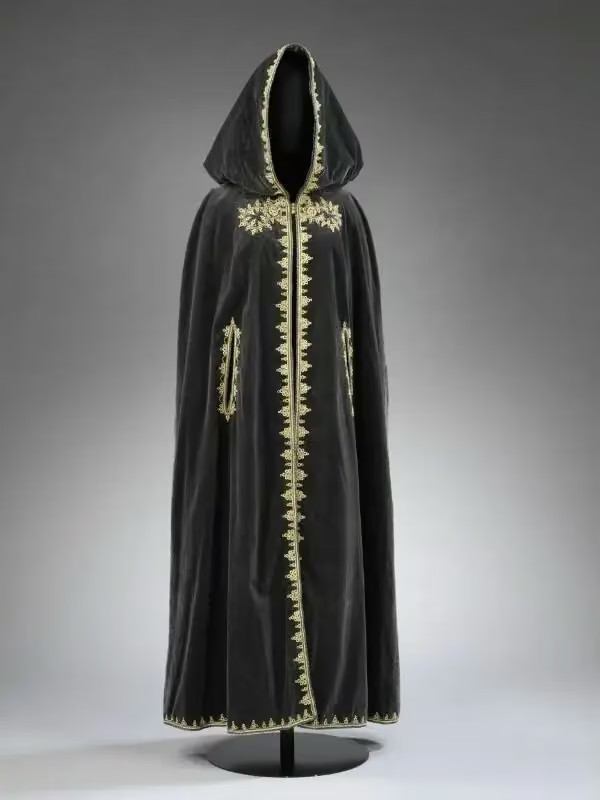
Naïma Bennis helped reshape Moroccan fashion during the decades following independence. Her designs combined local handwork and dress forms with the lighter fabrics and fluidity associated with European couture.
Collection selection
c. 1970 · Naïma Bennis; V&A collection
A documented Naïma Bennis garment preserved in the Victoria and Albert Museum collection.
© Victoria and Albert Museum, London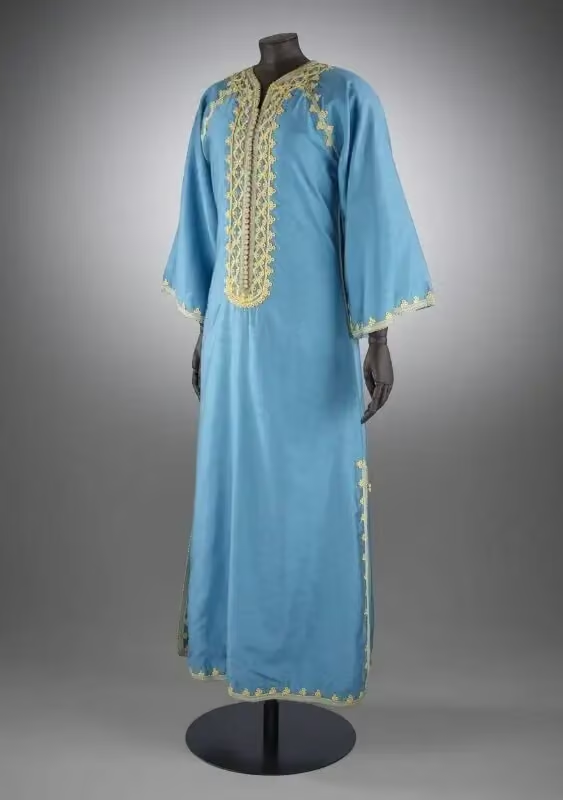
Collection selection
c. 1970 · Naïma Bennis; V&A collection
A documented Naïma Bennis garment preserved in the Victoria and Albert Museum collection.
© Victoria and Albert Museum, London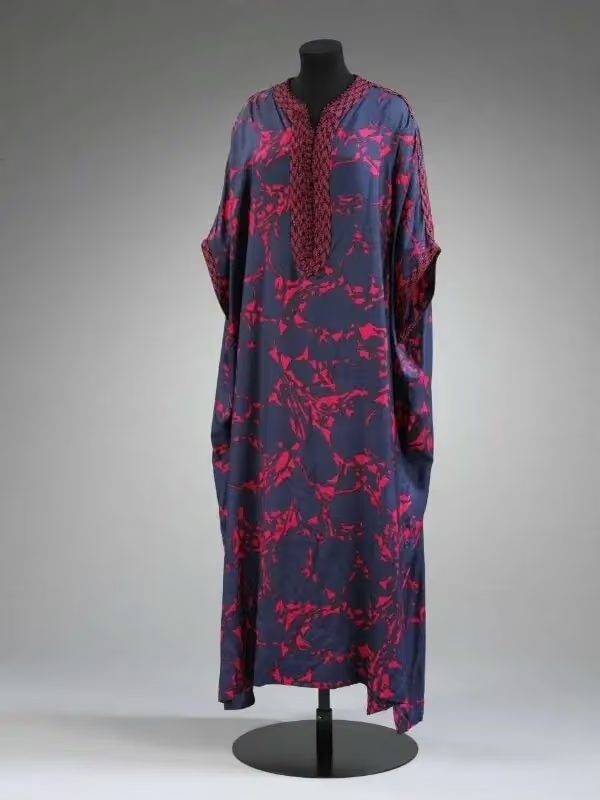
Collection selection
c. 1970 · Naïma Bennis; V&A collection
A documented Naïma Bennis garment preserved in the Victoria and Albert Museum collection.
© Victoria and Albert Museum, London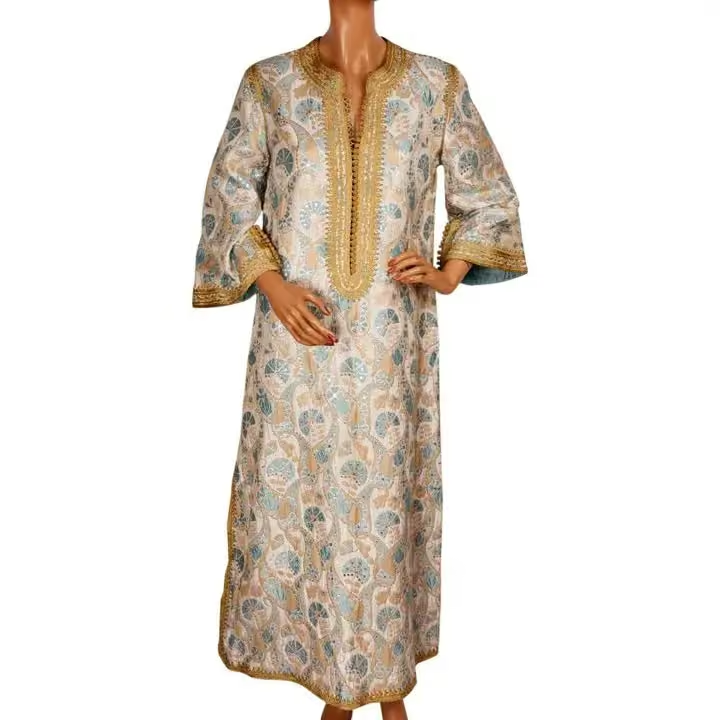
Collection selection
1960s · Naïma’s Caftans, Rabat Hilton
A caftan bearing the Naïma’s Caftans, Rabat Hilton label, documented by Poppy’s Vintage Clothing and dated by the seller to the 1960s.
Poppy’s Vintage Clothing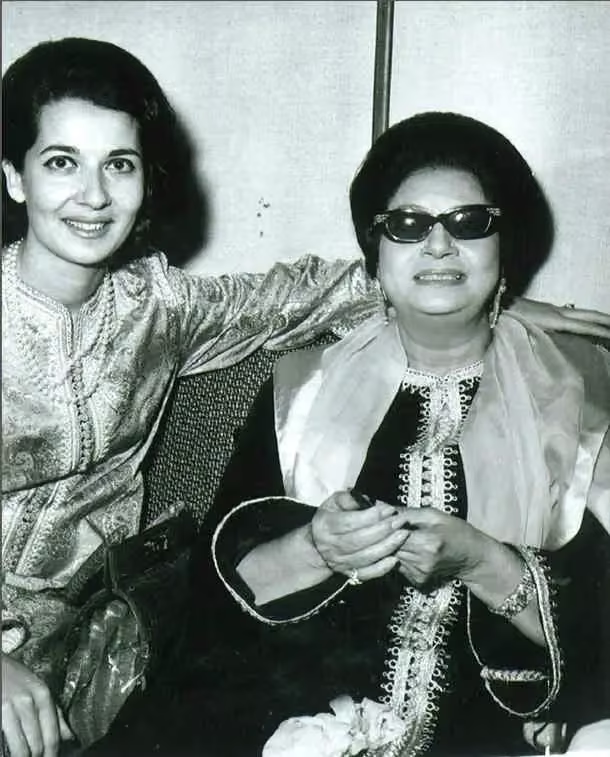
Collection selection
c. 1968 · Naïma Bennis archive
Umm Kulthum wears a Naïma Bennis caftan in an archival photograph identified by the V&A, probably taken at Rabat’s Hilton Hotel around her 1968 visit. The seated photograph documents the bodice and sleeves.
© Victoria and Albert Museum, London; archive donated by Mouna Lotfi in 2014; photographer unknown1 piece
Naïma Bennis · Date not documented
Capes, caftans and tunics translated established clothing traditions into a modern urban wardrobe, placing Moroccan craftsmanship at the center of an evolving fashion language.