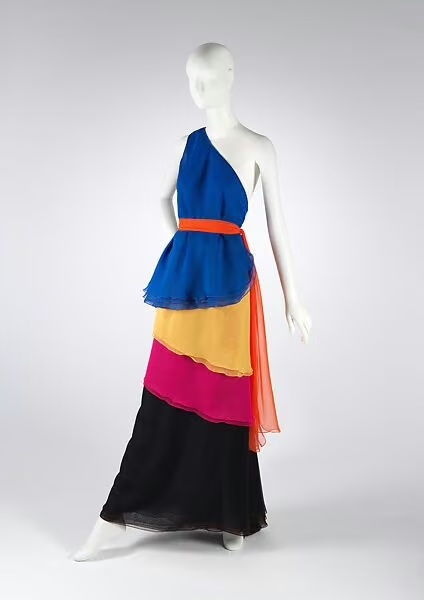
Evening dress
Stephen Burrows · ca. 1973
Stephen Burrows made color, flowing fabric and movement central to his fashion vocabulary. His 1970s dresses use asymmetry and light layers to animate the body, sometimes through contrasting blocks of color and sometimes through a single vivid hue.
Official website
Collection selection
ca. 1973
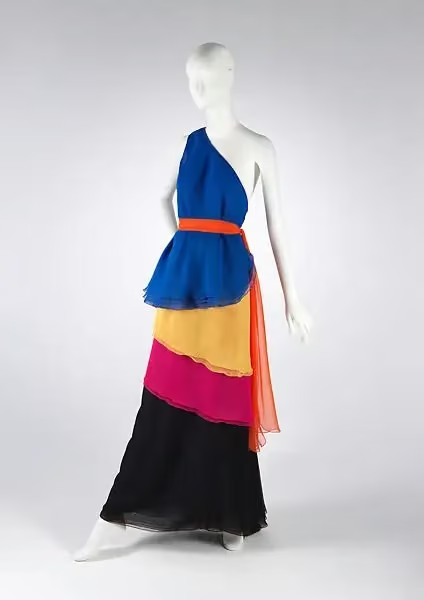
Blue, yellow, magenta and black form sweeping blocks across this layered evening ensemble. Its one-shoulder top, tied waist and flowing skirt make color and movement central to the silhouette. The museum dates it to about 1973, a period when Burrows helped define the energetic language of American fashion.
The Metropolitan Museum of Art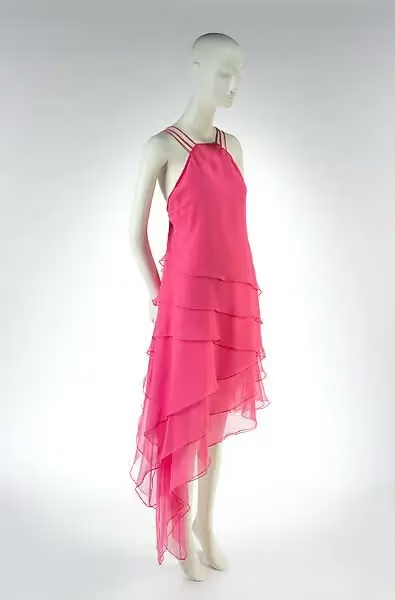
Collection selection
1973
Layers of brilliant pink silk descend diagonally from this sleeveless dress, creating an uneven hem and a light, mobile silhouette. The Met records the garment as a 1973 design. Seen alongside Burrows’s multicolored evening ensemble of approximately the same year, it demonstrates a related interest in flowing layers and asymmetric lines.
The Metropolitan Museum of Art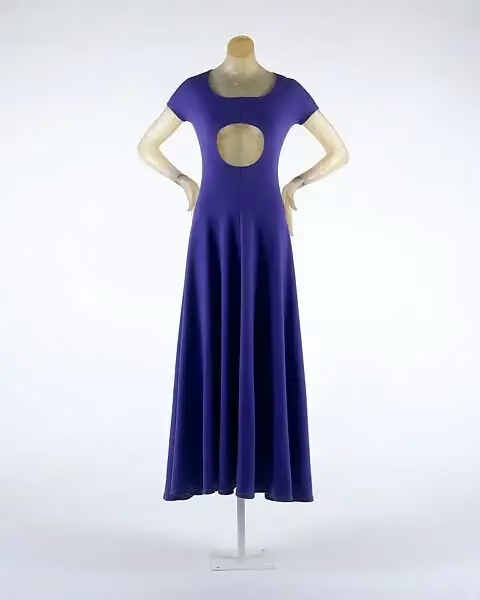
Collection selection
ca. 1971 · The Met collection
Wool.
The Metropolitan Museum of Art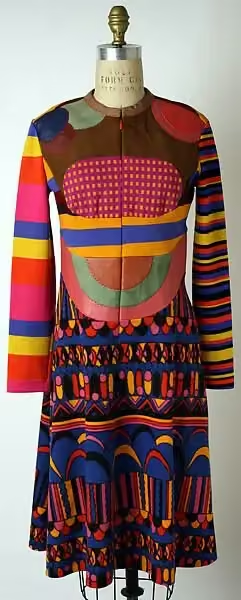
Collection selection
1971 · The Met collection
Wool, leather.
The Metropolitan Museum of Art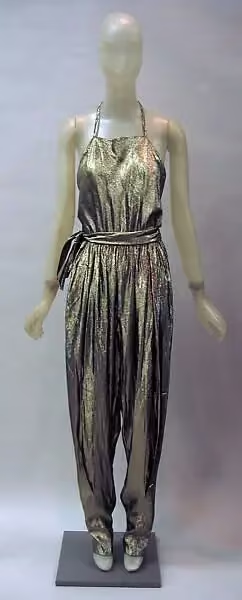
Collection selection
ca. 1974 · The Met collection
Synthetic.
The Metropolitan Museum of Art1 piece · Season not recorded
Stephen Burrows · ca. 1973
1 piece · Season not recorded
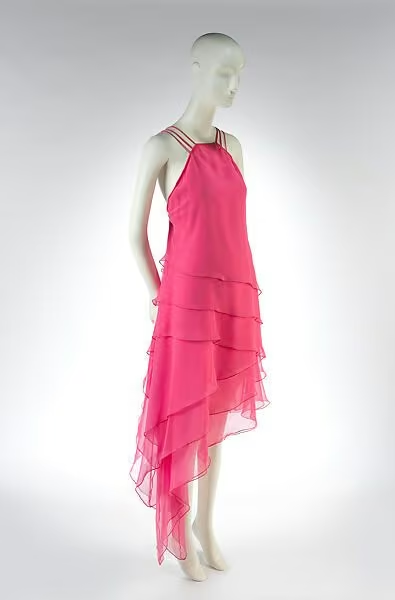
Stephen Burrows · 1973
The examples here offer two approaches from 1973, showing the range within his energetic vision of American eveningwear.