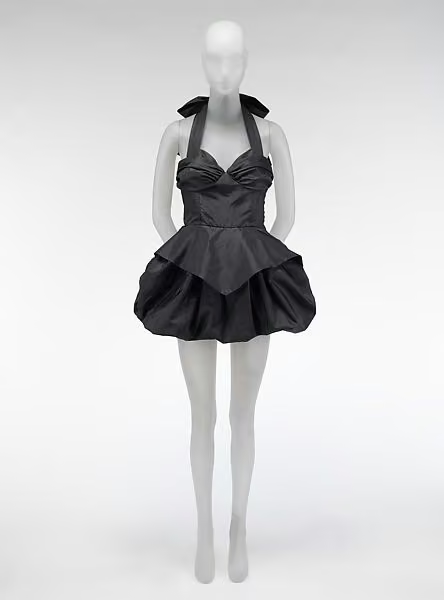
Dress
Willi Smith · 1980s
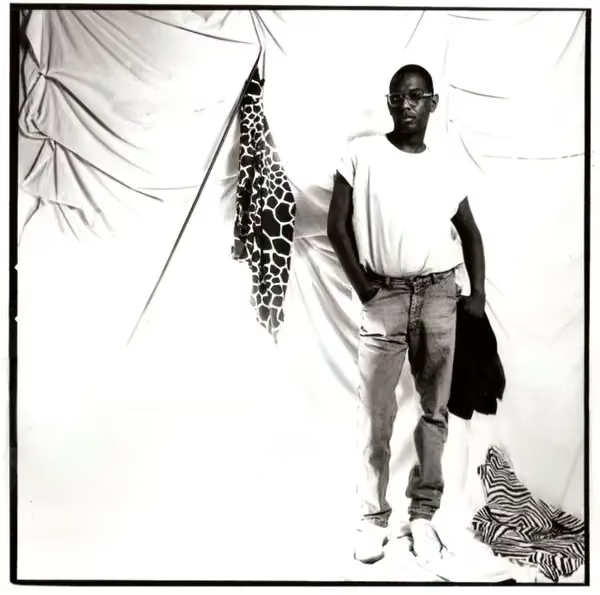
Willi Smith made adaptable clothes part of an expansive creative practice. WilliWear connected everyday wardrobes with art, dance, film and architecture, treating collaboration as a way of reaching more people.
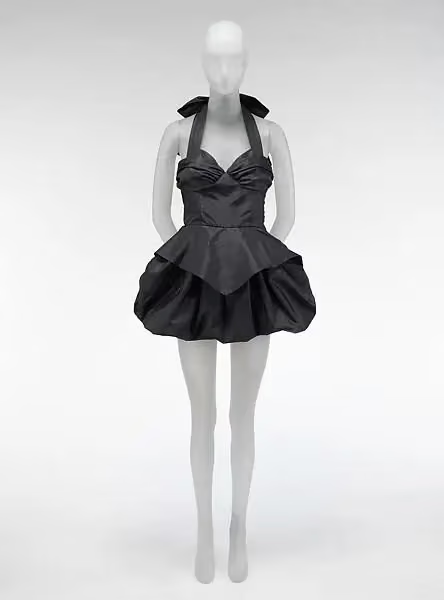
Collection selection
1980s
This short black silk dress combines a gathered halter bodice with a pointed waist panel and a rounded, puffed skirt. The Met attributes the design to Willi Smith for Williwear and dates it broadly to the 1980s.
The Metropolitan Museum of Art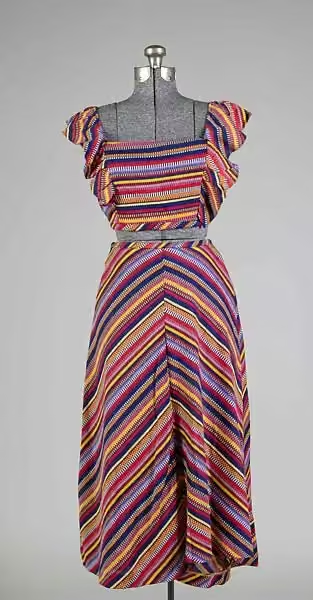
Collection selection
ca. 1975 · The Met collection
Cotton.
The Metropolitan Museum of Art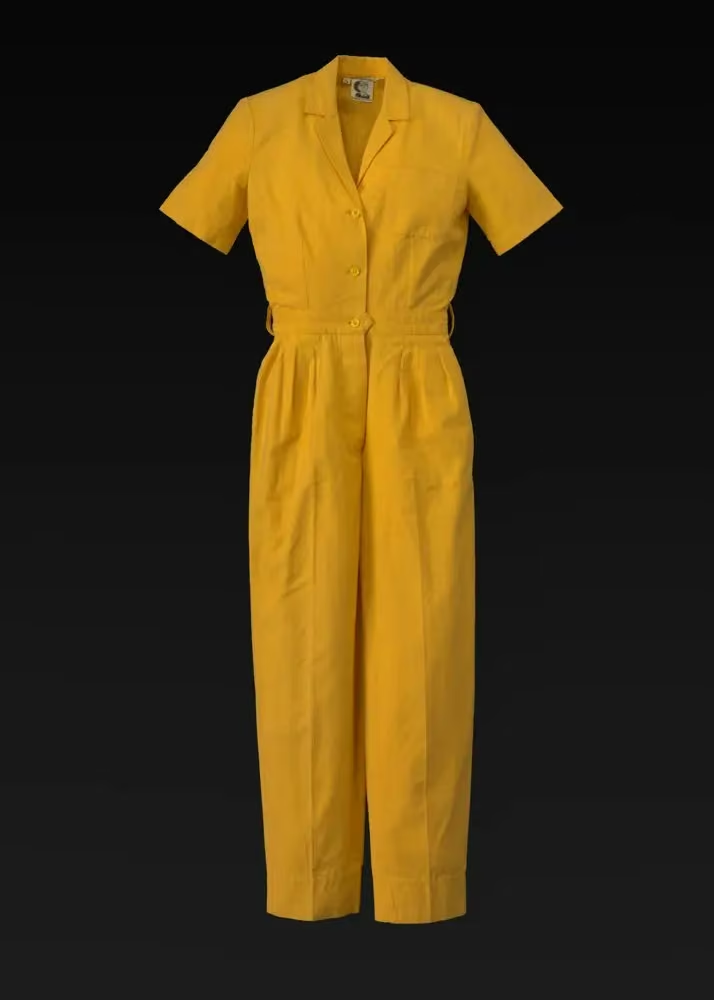
Collection selection
1969-1987
A relaxed cotton jumpsuit with a notched collar captures Smith’s accessible sportswear.
Smithsonian National Museum of African American History and Culture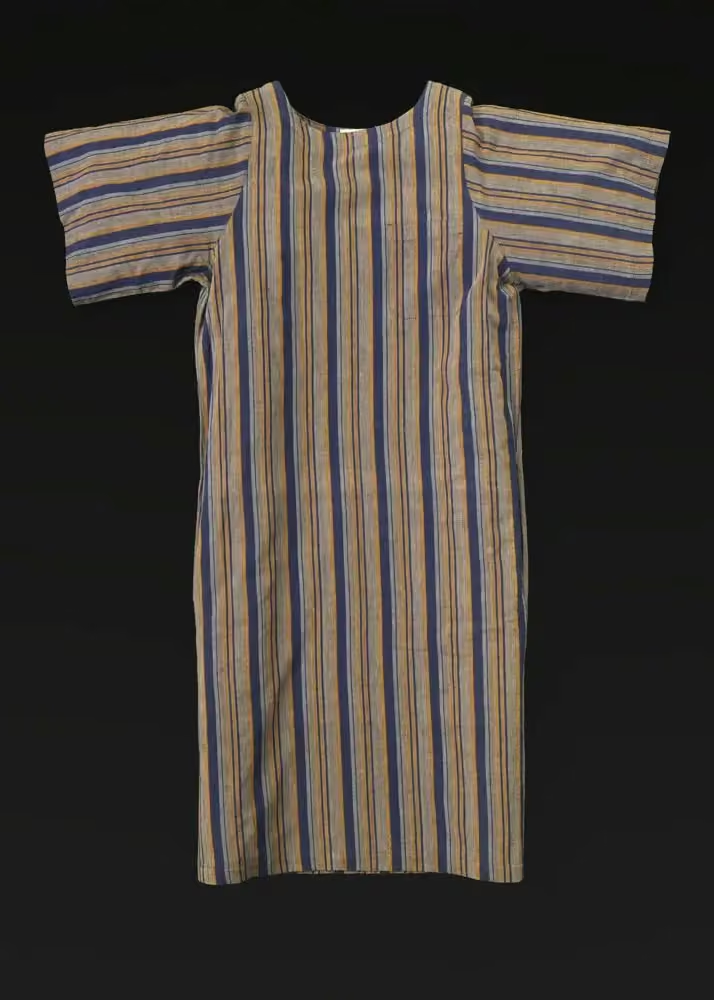
Collection selection
1969-1987
A loose cotton shift and colorful stripes reflect Smith’s emphasis on easy, expressive everyday clothing.
Smithsonian National Museum of African American History and Culture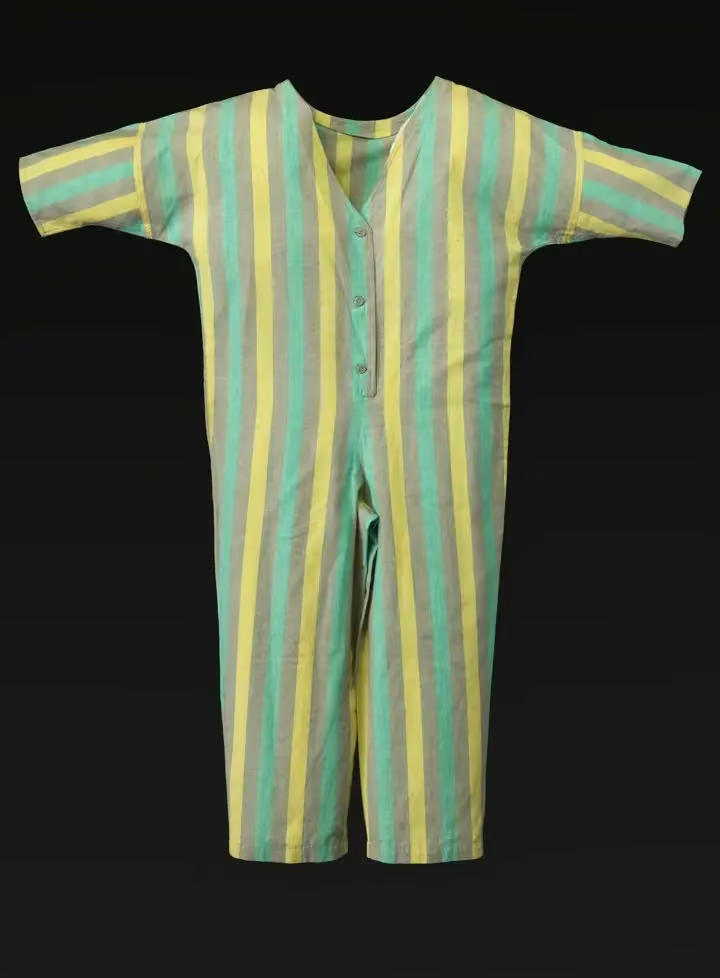
Collection selection
1969-1987
Contrasting colors turn a practical jumpsuit into a distinctive example of Smith’s street-inspired sportswear.
Smithsonian National Museum of African American History and Culture1 piece · Season not recorded
Willi Smith · 1980s
Smith founded WilliWear with Laurie Mallet in 1976. Mallet’s account shows how the label’s clothes grew from working relationships as well as ideas: they developed early collections in India with a factory operated by Vijay Agarwal, using readily available cottons and refining a fatigue pant that became a strong seller. Their continuing work with the factory was integral to the business.
For the Bill T. Jones/Arnie Zane company’s Secret Pastures (1984), Smith designed interchangeable costumes within a collaboration that included Keith Haring’s set. Expedition, filmed by Max Vadukul in Dakar in 1985, presented the spring 1986 collection through cinema. SITE’s 1982 New York showroom brought street materials into the space where the clothes were sold. These projects make collaboration tangible beyond a list of famous names.