Zoot suit
Exaggerated tailoring became a visible expression of youth, music and identity. The zoot suit’s history also bears the violence directed at the communities who wore it.
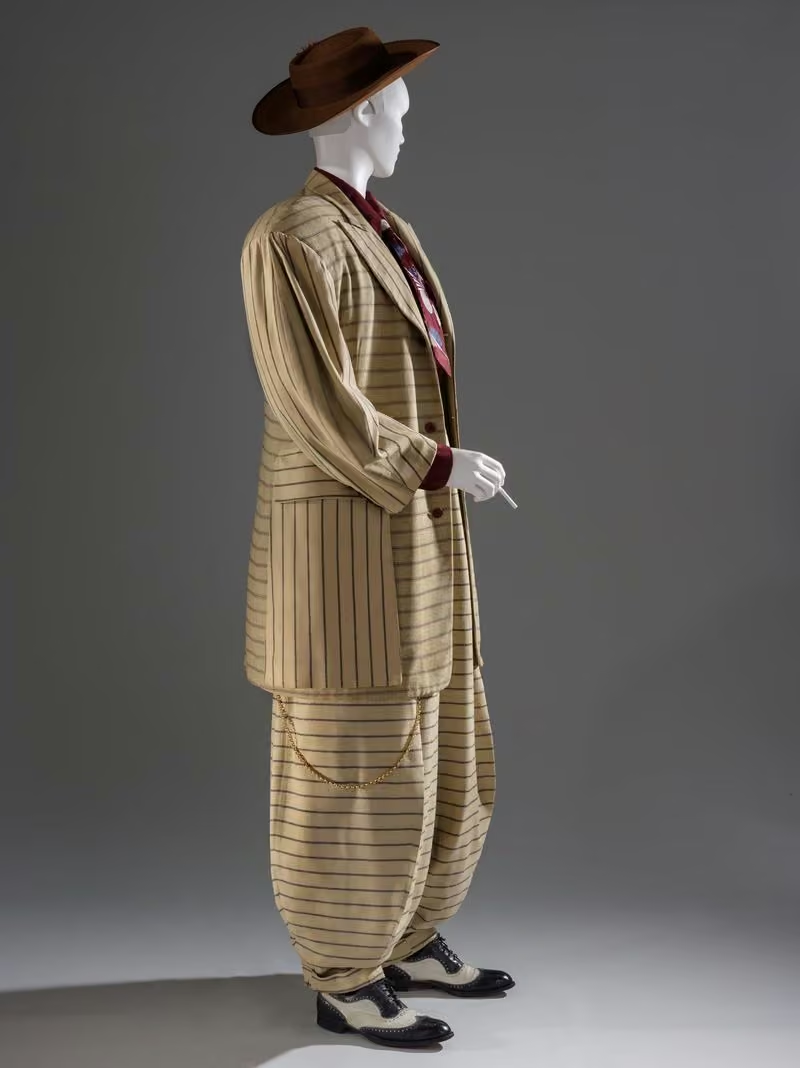
Zoot suit
Unidentified maker, United States · 1940–42
LACMA’s 1940–42 suit, M.2011.94a–b, is shown with period accessories. The suit’s maker is unidentified; the tie and shoes have separate attributions.
Materials: Wool plain weave and twill
Explore the original record © Museum Associates/LACMAAbout Zoot suit
The zoot suit exaggerated the proportions of men’s tailoring: broad shoulders, a long jacket and deeply pleated trousers tapering sharply at the ankle. It grew within urban dance and music cultures, especially among African American and Mexican American young people, rather than originating with a single couturier. Its generous use of fabric became politically charged during wartime restrictions. The racist violence of the 1943 Los Angeles Zoot Suit Riots made clothing, identity and the right to occupy public space inseparable parts of its history.