Skate style
Skaters shaped their own image through clothes, graphics and independently made videos. Movement, music and local communities mattered as much as the resulting silhouette.
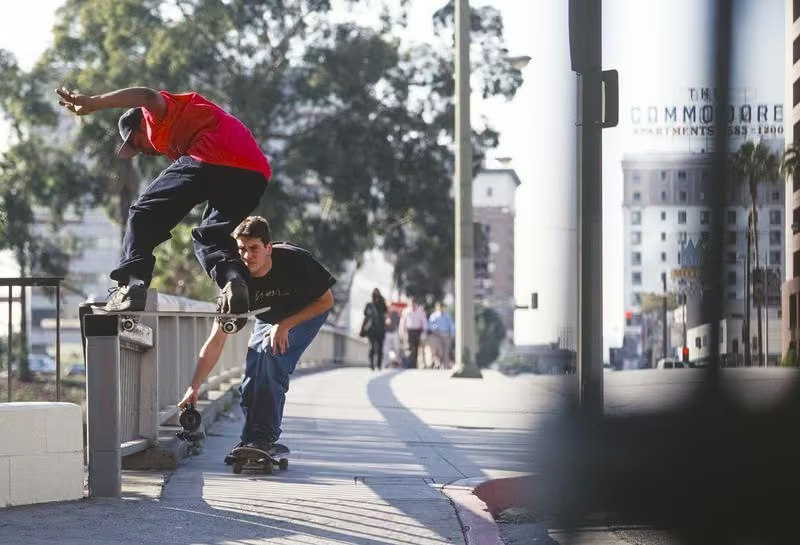
Keenan Milton and Aaron Meza in Los Angeles
Photograph by Mike Blabac; clothing makers undocumented · 1998
Blabac’s 1998 photograph shows skate clothing in use. It was also selected for the Museum of the Moving Image’s Recording the Ride exhibition.
Materials: Photograph; individual garment materials undocumented
Explore the original record © Mike Blabac / blabacphoto, via The HundredsAbout Skate style
Skate style grew from the clothes worn by skateboarders and the images they made of their own community. Loose trousers or jeans, T-shirts and durable skate shoes supported movement while music, graphics and local affiliations shaped personal looks. In the 1990s, independently produced videos carried this visual culture between skate shops and cities. Hip-hop became an especially strong influence alongside skateboarding’s punk inheritance. Skaters and small brands drove the style; later luxury collaborations do not explain its original development.