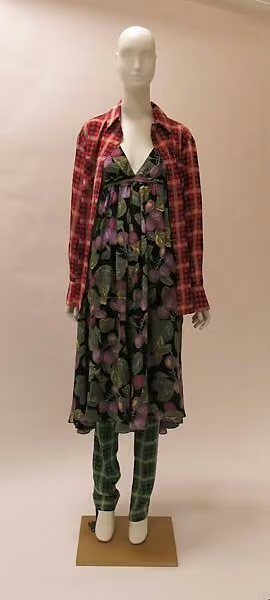
Grunge
Flannel and worn-denim references · Loose, mismatched layers · Dresses with rugged styling
Grunge, minimalism, street style
Fashion’s sources of influence multiplied through music scenes, street cultures and experimental design. Reduced surfaces and historical drama flourished beside one another.
Flannel and worn-denim references · Loose, mismatched layers · Dresses with rugged styling
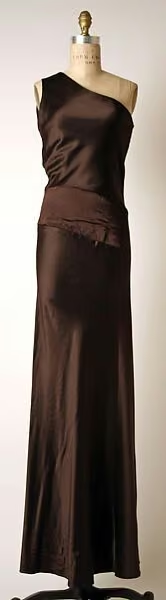
Reduced ornament · Clear, controlled silhouettes · Emphasis on cut and material
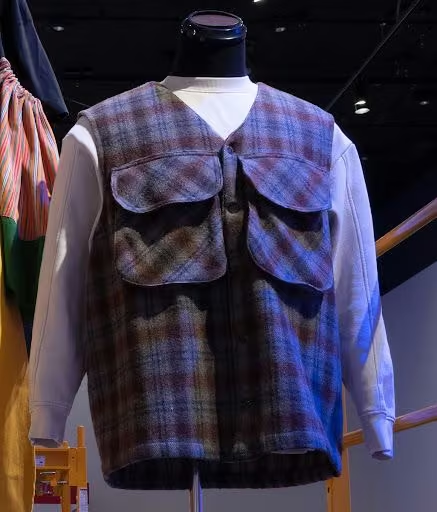
Oversized proportions · Sportswear and workwear references · Brand identity and personal styling
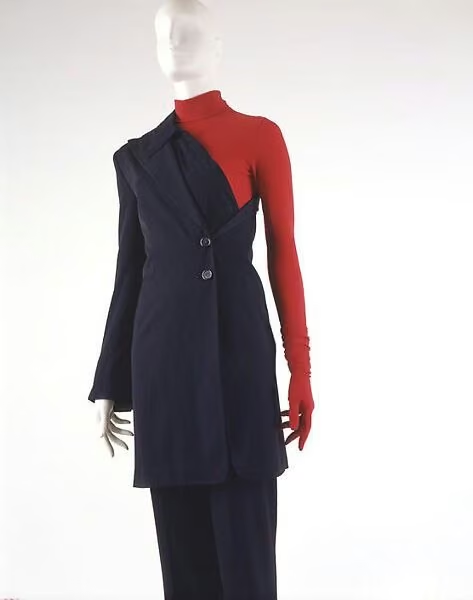
Exposed or rearranged construction · Altered scale and proportion · Reworking familiar garments
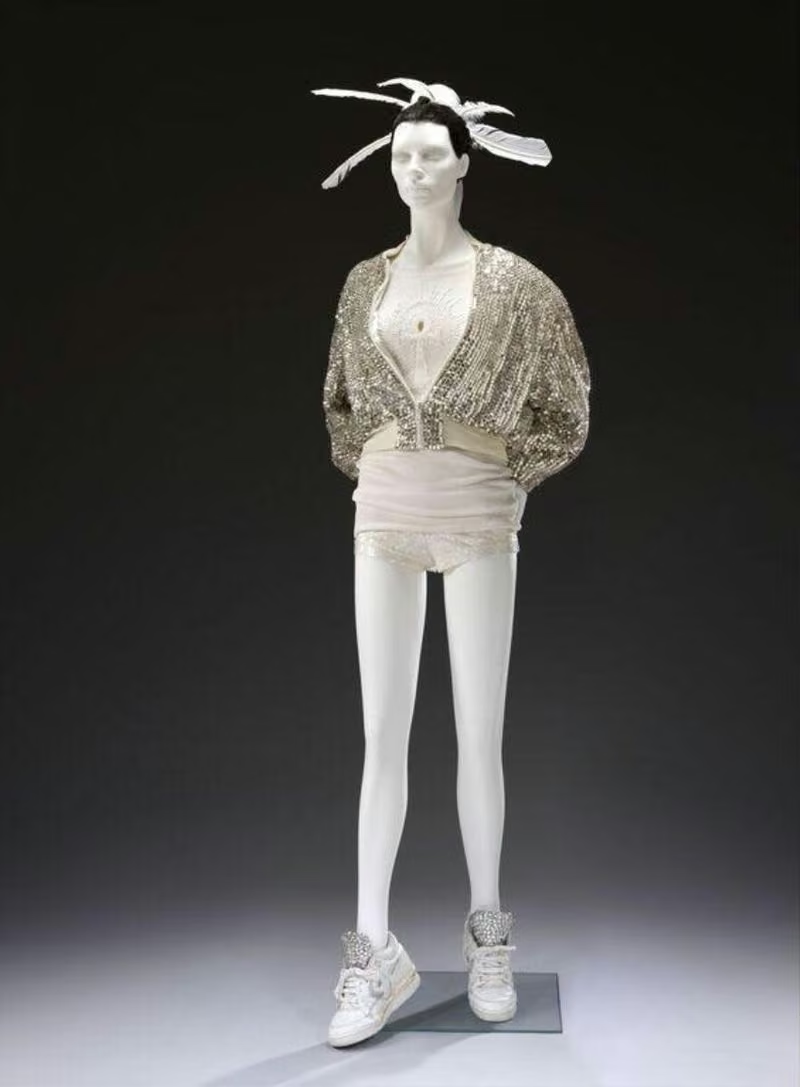
Clothes for dancing · Sportswear and trainers · Smiley, fluorescent and metallic accents
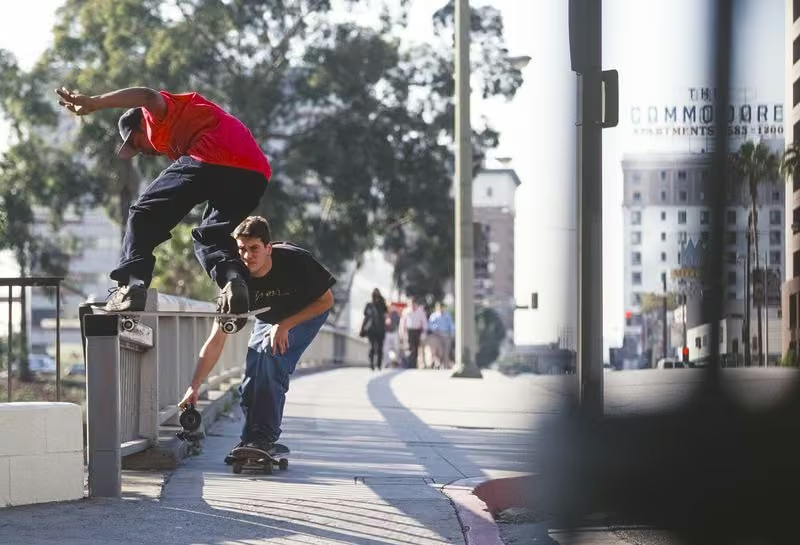
Loose trousers and graphic tees · Durable skate shoes · Skater-made videos and graphics
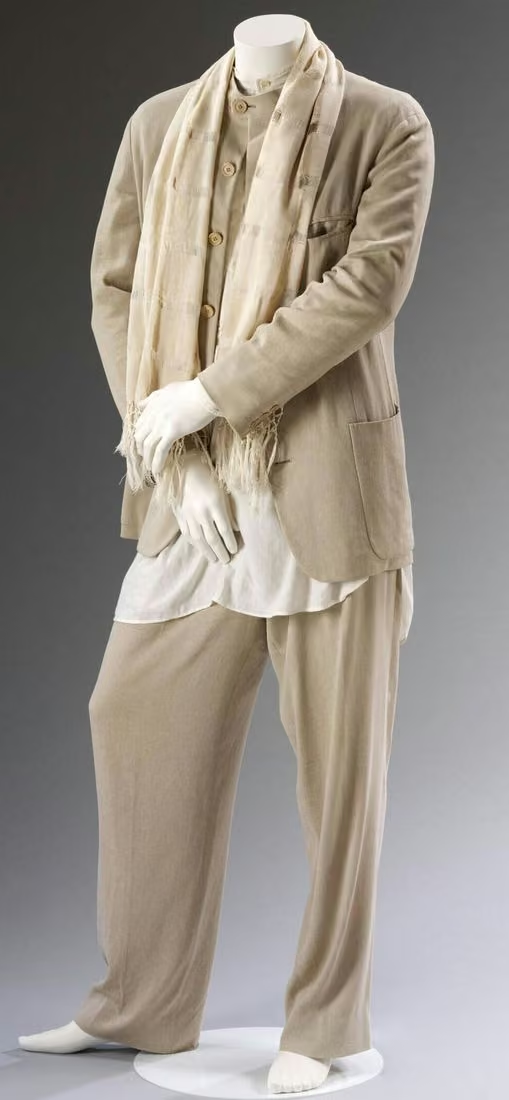
Attention to cloth and construction · Soft jackets and fluid trousers · Tailoring across men’s and women’s dress
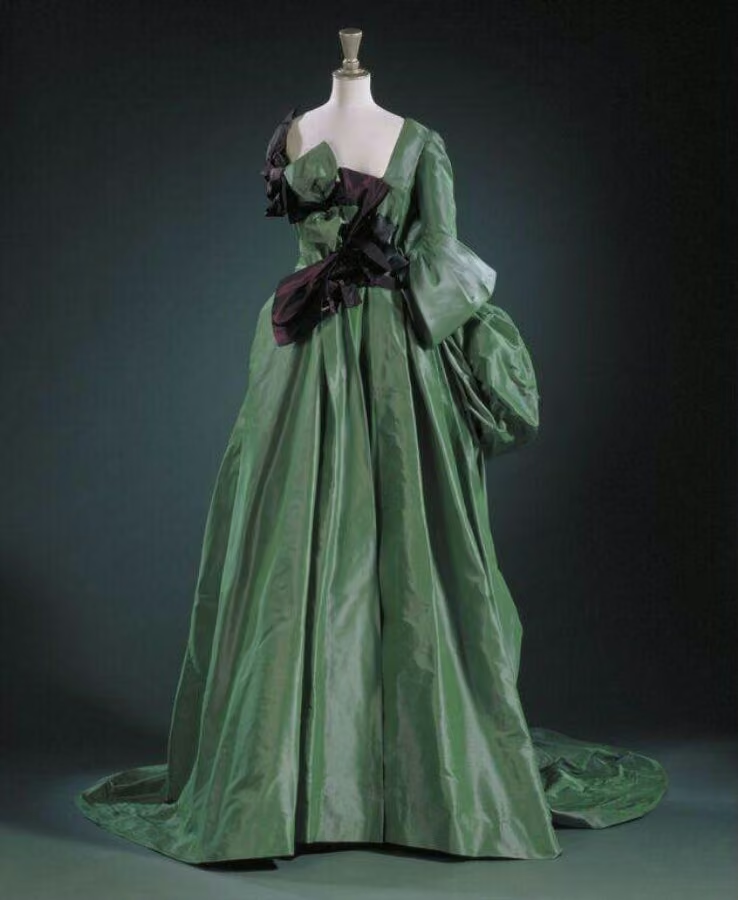
Reworked historical silhouettes · Corsetry, drape and lace · Narrative and theatricality
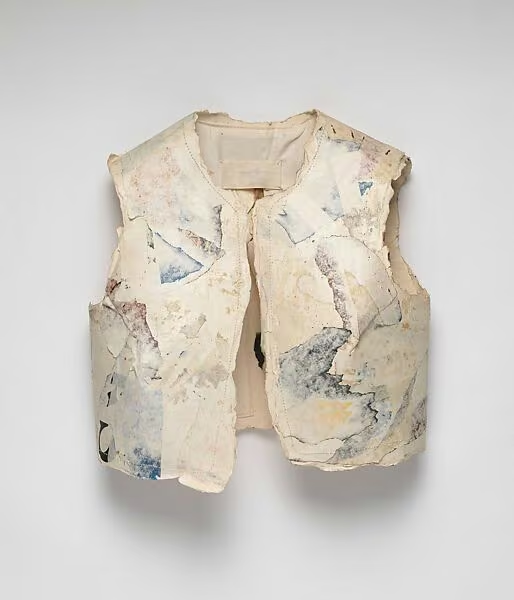
Recovered materials · Visible handwork · Transformation rather than disposal
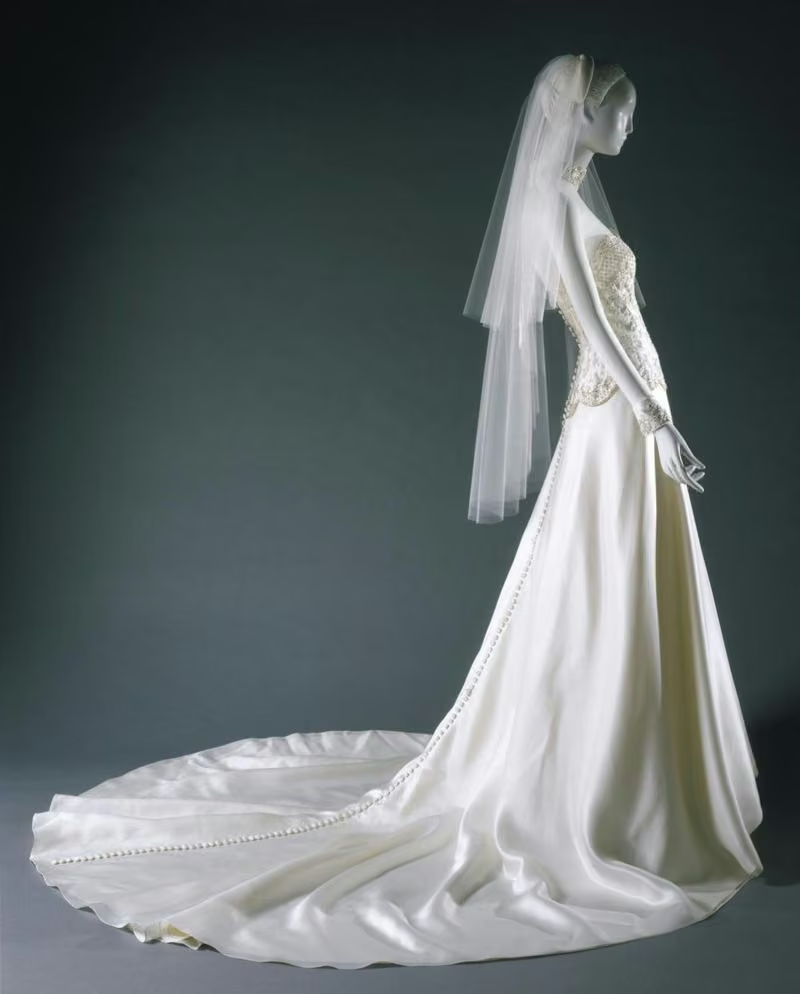
Contemporary bridal silhouettes · Embroidery and fine detailing · Individual commissions and fittings
Selected examples dated to this decade.
Marc Jacobs · spring/summer 1993
Calvin Klein · fall/winter 1996–97
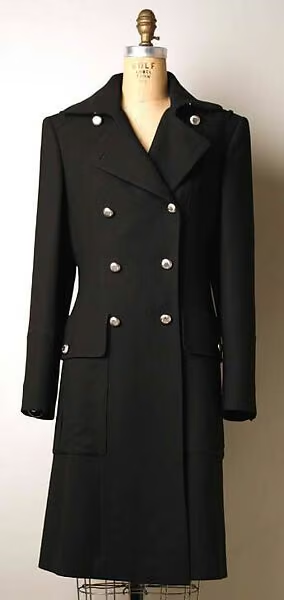
Miuccia Prada · fall/winter 1994–95
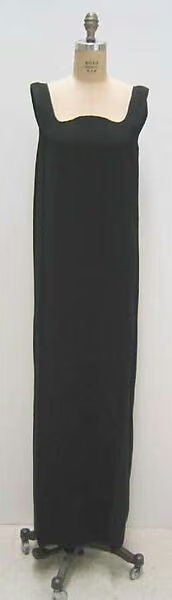
Martin Margiela · fall/winter 1998–99
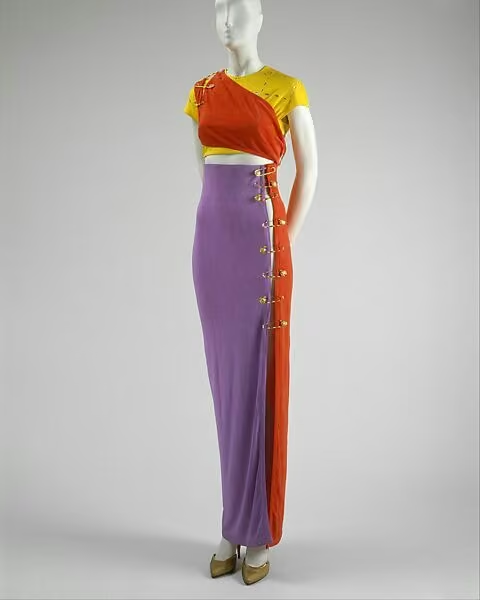
Gianni Versace · Spring/Summer 1994
Karl Kani · 1990s
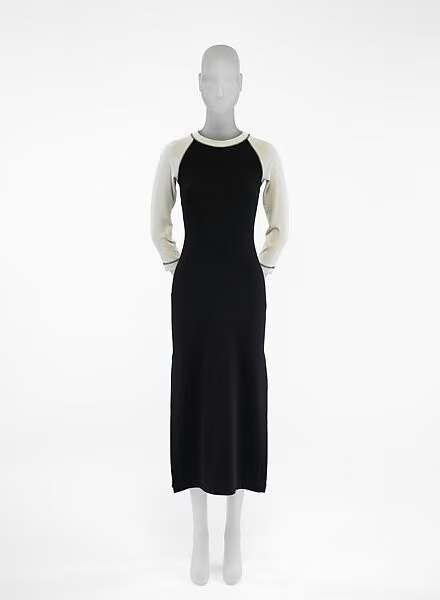
spring/summer 1993
Translated grunge’s thrift-shop layering into the spring/summer 1993 Perry Ellis collection.
fall/winter 1996–97
Made restrained color, sensual drape and spare silhouettes central to 1990s minimalism.
fall/winter 1994–95
Reconsidered luxury through nylon, uniform references and unexpected colors in familiar wardrobe forms.
fall/winter 1998–99
Exposed construction and reworked existing garments, questioning what fashion considered finished, new or luxurious.
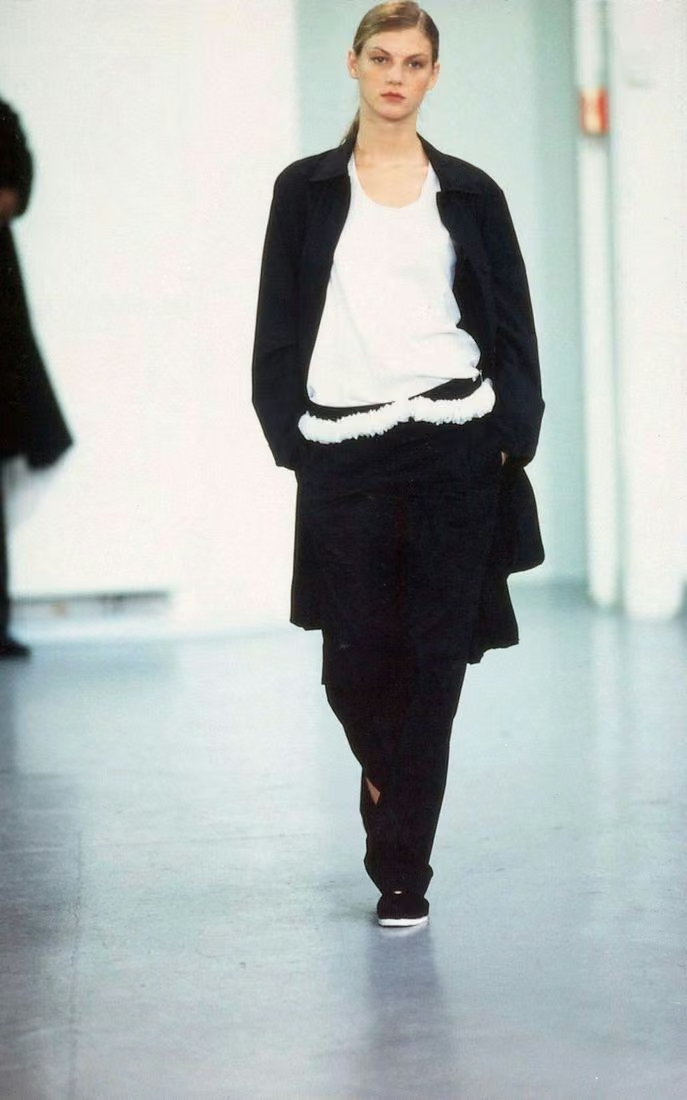
Spring 1998 Ready-to-Wear (shown 1997)
Combined precise tailoring, practical clothing references and experimental fabrics in an austere, utilitarian wardrobe.
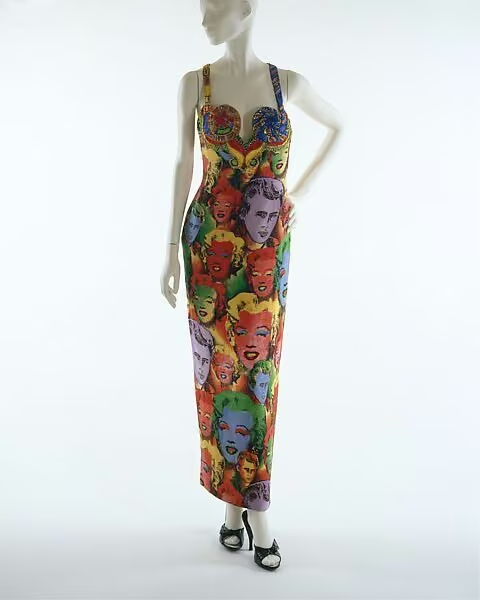
Spring/Summer 1991
Joined material experimentation and body-conscious glamour to the spectacle of the supermodel runway.
1990s
Built hip-hop fashion around roomy proportions and the tastes of its musicians and communities.
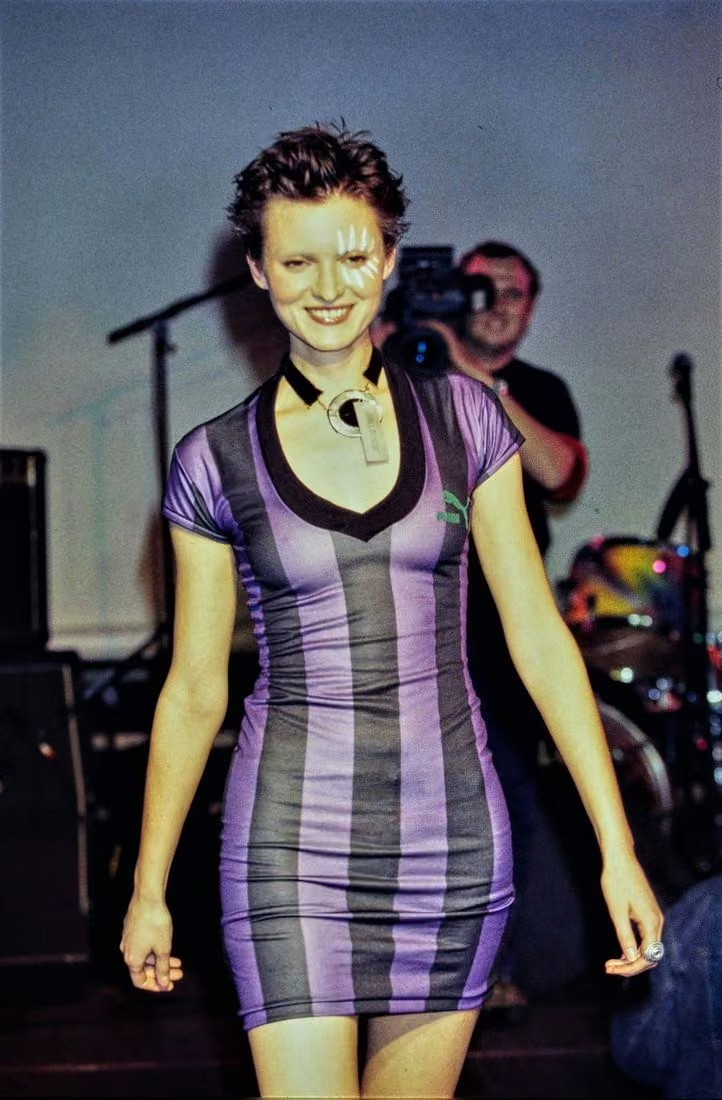
Spring 1995 Ready-to-Wear (shown September 1994)
Brought reuse, customization and street energy into Paris fashion through his label Xuly.Bët.
The 1990s brought several influential challenges to polished fashion. Grunge carried the appearance of secondhand clothes and music-scene dressing into the mainstream, while minimalism made restrained surfaces and exact cut central to modern luxury. Hip-hop continued to expand the influence of street style, with oversized proportions and new labels shaped by artists and their audiences. Deconstruction asked viewers to reconsider how garments were made, finished and reused. Glamorous eveningwear and spectacle remained visible, especially through celebrity and runway culture. These overlapping movements changed both the appearance of clothes and the sources of fashion authority.
Marc Jacobs showed his spring/summer 1993 Perry Ellis collection, translating music-scene layers into designer clothing.
Minimalist designers gave clean silhouettes, modest ornament and precise cut renewed prominence.
Karl Kani, FUBU and other labels brought fashion created for hip-hop audiences into a much wider market.
Designers active in this decade. Available garment examples may come from another period; their dates are labeled.
Modernity woven into tradition
From millinery to society dressing
Casual tailoring · Snap cardigans · Everyday separates
Japanese textile sensibility within Australian fashion
Classical inspiration in modern fashion
Lingerie dressing · Embellished knitwear · Relaxed tailoring
Sculpted eveningwear · Internal corsetry · Precise tailoring
The tailor as storyteller
Fashion and politics
Severe tailoring · Utilitarian details · Dark minimalism
Cloth, culture and the Sahel
Organic forms meet industrial couture materials
A Belgian design partnership beyond the Antwerp Six
Indian craft translated into global silhouettes
Architectural eveningwear · Sculpted bridalwear · Couture handwork
Clean minimalism · Urban tailoring · Practical elegance
Colour and knitwear for a changing Missoni
Draped eveningwear between Rome and Paris
Expressive color · Printed womenswear · Fluid tailoring
Researching regional craft for contemporary dress
Tailoring, gently rearranged
Masculine tailoring · Waxed outerwear · Home-sewing patterns
Humorous silhouettes · Conceptual anti-fashion · Experimental denim
Floral romance · Delicate fabrics · Shaped daywear
Architectural cuts · Draping on the mannequin · Made-to-order tailoring
Music, nostalgia and playful fantasy
Classic bridalwear · Lace and beadwork · Sculpted gowns
Deconstructed tailoring · Relaxed jumpsuits · Fabric contrasts
Poppana weaving · Color-blocked textiles · Handwoven coats
Architectural dresses · Precise tailoring · Corsetry references
Sculptural couture · Architectural asymmetry · Intricate embroidery
Textile collage, memory and romantic layering
Functional sportswear rooted in hip-hop culture
Drama through proportion
Precision around the body
Leather dressing · Sharp tailoring · Rock-inspired separates
Leather and skin construction · Material-led womenswear · Curved-body fit
Modernising traditional Malay dress
Fashion beyond the Antwerp Six
Experimental cutting · Textured separates · Art-inspired prints
Textile craft preservation through social enterprise
Southern identity and menswear craftsmanship
Sculptural knitwear · Artistic prints · Playful proportions
Inventive shirting and playful construction
The expressive power of restraint
Contemporary womenswear · Complete wardrobe collections
Oversized silhouettes and clothing without prejudice
The unconstructed leather handbag
Natural-fiber knitwear · Relaxed tailoring · Simple silhouettes
Bògòlanfini on a global stage
Trompe-l’oeil wit · Graphic appliqué · Playful tailoring
Rock glamour, emphatic shoulders and distressed luxury
Considered proportions for everyday movement
A formative Johannesburg career spanning three decades
The woman who established Marni’s design identity
Meticulous drape from two lifelong makers
New York street culture meets considered tailoring
Luxury logos meet Harlem style
Hip-hop apparel built for its own community
Canadian imagery meets Italian tailoring
One of the six Antwerp breakthroughs
Precise tailoring · Youth-culture references · Experimental proportions
One of the six Antwerp breakthroughs
Sicilian memory, theatrical glamour
Supermodel glamour and emphatic sensuality
A wardrobe that works together
The tension between prints
Sculpted Savile Row tailoring with expressive shoulders and lapels.
Delicate decoration · Feminine eveningwear · Geometric prints
Clean-lined tailoring · Fluid silhouettes · Inventive fabric treatments
Danish craftsmanship at the heart of Paris couture.
Scandinavian minimalism · Refined wardrobe staples · Functional tailoring
Building Nigerian luxury ready-to-wear and local production
Architectural minimalism explored through fabric and construction
Archival Gucci motifs and vivid 1970s glamour
Ethereal draping · Restrained punk · Sculptural adornment
Sculpted bridal gowns · Sheer embroidery · Dramatic trains
Historical textiles · Layered romance · Narrative prints
Architecture translated into shirts, tailoring and elaborate eveningwear.
Technique meets spectacle
Authority with ease
Five decades of Brazilian fashion experimentation
Luxurious tailoring · Draped eveningwear · Decorative surfaces
Layered textiles · Expressive color · Handworked lace
Fluid Parisian clothes and precise ready-to-wear
Vivid color · Expressive silhouettes · Decorative textiles
Experimental menswear · Textural innovation · Sculptural shapes
Youth culture and the lean silhouette
Precise tailoring · Pinstripes · Contrasting co-ordinates
Minimalism, utility and digital experimentation
A six-decade dialogue between fashion and visual art
Garments as ideas in material
Playful combinations of everyday and luxurious
Building an independent Parisian design vocabulary
Sculptural dressmaking driven by invention
Cloth in motion
Precise cutting · Romantic lace · Body-conscious draping
Modern American menswear through an Italian lens
Nightlife glamour and exposed construction
Playing with what clothes reveal
Lightness and architecture in silk
Refined sportswear · Tailored separates · Decorative eveningwear
Precise tailoring and luxurious restraint
Romantic dresses · Floral prints · Feminine tailoring
Bespoke East London shoemaking and a global accessories house
Fashion-led golfwear · Denim · Contemporary sportswear
Rugged American menswear · Relaxed tailoring · Cruelty-free design
History set in motion
Rock-inspired tailoring · Subversive denim · Punk details
Detroit music becomes menswear
Experimental denim · Eclectic tailoring · Custom fabrics
Royal wedding dresses · Traditional couture · Fine-fabric tailoring
Fashion and Ghana's post-independence cultural identity
Archival textiles · Couture craftsmanship · Relaxed elegance
Narrative embroidery · Recycled textiles · Appliqué
International runway fashion, performance costumes and cultural exchange
Engineering a new outline
Fashion beyond the Antwerp Six
Sharp suiting · Flexible fabrics · Reworked wardrobe classics
Body-conscious basics · Practical layering · Considered pattern cutting
Streetwear for the hip-hop generation
Reinterpreting the language of established houses
Historical references distilled into modern dress
Glamorous streetwear centered on women
Ghanaian cloth, international silhouettes
Inventive Italian ready-to-wear, knitwear and pleated surfaces.
Street energy and defiant reinvention
Original botanical prints · Fluid dresses · Feminine detailing
Couture experience and expressive textiles
Individual couture · Evening gowns · Precise tailoring
Cashmere and the international rise of Italian fashion
Refined tailoring · Luxurious fabrics · Understated femininity
Romantic draping · Handworked eveningwear · Bohemian bridalwear
Painting and sculpture inform clothing
Coordinated American sportswear with a tailored foundation.
Expressive illustration · Defined silhouettes · Graphic denim details
The handbag as a witty collectible object
Art, discarded materials and questioning usefulness
Modern bohemian dressing · Classic wardrobe pieces · Travel-oriented design
Colour and craft without restraint
Poised couture with a slender, wearable line.
Subculture enters the wardrobe
Youthful clean lines · Concise silhouettes · Graphic wardrobe design
Geometry, ease and material reuse
Denim construction · Signature pocket stitching · Organic cotton
One of the six Antwerp breakthroughs
Hollywood glamour and wearable evening dress
Minimalist sportswear · Refined knitwear · Sleek tailoring
Refined tailoring · Sculptural coats · Controlled volume
Making the hidden visible
Pleating, antiquity and ornament
Nautical sportswear · Relaxed tailoring · Urban essentials
Romantic handcraft · Art-inspired prints · Decorative textiles
Clean sportswear and jet-set polish
French couture expertise carried into modern ready-to-wear.
Unisex streetwear and London's 1990s club culture
The Fontana sisters and Rome’s couture industry
Clean silhouettes and textiles designed to hold their own shape.
Revisiting Japanese tailoring through the museum archive
Rethinking familiar clothes
Art-inspired prints · Soft tailoring · Contrasting materials
Clean lines shaped around the body
From Sydney markets to fashion-led swimwear
Pop performance and gender-fluid streetwear
Heritage meets technical invention
Japanese streetwear, collecting and collaboration
Romantic drama and exacting construction
Modern bespoke tailoring in vivid color
Red-carpet gowns · Fluid eveningwear · Rich embellishment
Narrative prints · Nostalgic dress shapes · Americana references
An established Irish designer beyond the usual canon
Romantic detail grounded in couture technique
Muse-led collections · Playful daywear · Graphic colour
Expressive prints within an easy American wardrobe
Expert corsetry · Historical glamour · Sculpted eveningwear
Sculptural hats and runway collaborations
A dialogue between image and body
Digital fashion · Recycled materials · Wearable art
Architectural construction and ease of movement
A modern reading of couture history
Clean lines and subtle Indian artisanal detailing
American sportswear as a complete world
Syrian artistry and Dubai-based couture
Red-carpet glamour · Luminous eveningwear · Decorative beading
Body-skimming silhouettes · Shimmering fabrics · Disco-inspired glamour
Bridal craftsmanship evolves into evening ready-to-wear
Rethinking the familiar
Polished tailoring · Layered classics · Soft draping
Contemporary Savile Row · Expressive color · Light tailoring
Precision tailoring · Hollywood glamour · Fluid eveningwear
Drapery and asymmetry
Ornament, color and the London club scene
Individual dressmaking · Atelier fashion
Unexpected pattern combinations · Hybrid tailoring · Playful contrasts
Businesswear · Printed textiles · Durable everyday clothing
Refined womenswear · Uniform design · Individual eveningwear
Distressed fabrics · Historical references · Experimental construction
Modern separates · Relaxed tailoring · Elegant dressmaking
Technical sportswear and streamlined experimentation
Pattern-cutting discipline behind expressive Italian tailoring
Meticulous handcraft, traditional menswear and textile fantasy
Subcultural outerwear · Surrealist references · Durable coats
Polished tailoring with ruffles, pattern and wit
Hip-hop entrepreneurship and the Phat Farm label
Building luxury around Indian craft and bridal traditions
Hip-hop and a fashion business
An Indonesian and Italian partnership in eveningwear
Mediterranean textiles · Expressive draping · Artisanal clothing
Fluid tailoring · Bias-cut draping · Experimental textiles
Unorthodox pattern cutting · Conceptual textiles · Unexpected volume
Accessories as design icons
Textured outerwear · Relaxed luxury · Urban layering
Ornamental knitwear · Folk-costume references
Textural knitwear · Cable knitting · Nature-inspired surfaces
Material innovation in luxury fashion
Graphic sportswear and inventive fabrics
Clean feminine silhouettes · Wearable separates · Decorative textiles
Feminine ornament · Soft draping · Nordic bohemian style
Sculpted bridalwear · Corsetry · Hand-finished gowns
Fluid occasionwear · Embellished dresses · Comfort-focused construction
Modern urban elegance and a family design legacy
British-inspired tailoring · Subcultural menswear · Expressive styling
Draped Indian heritage translated into contemporary couture
Artisanal dressmaking · Intricate textiles · Modern occasionwear
The body as sculpture
Pop-cultural wit and exuberant craftsmanship
Sensuality through reduction
Couture precision and art-inspired Milanese womenswear
American prep meets oversized sportswear
Joyful color and expressive prints
Asymmetric cutting · Futuristic silhouettes · Material experimentation
Fluid draping · Expressive color · Generous tailoring
Romantic blouses · Relaxed tailoring · Easy feminine dresses
Modern drama for the bride
Paisley, color and textile stories in motion
Fashion beyond the Antwerp Six
Refined menswear shaped by materials
Precise tailoring · Fluid silhouettes · Refined craftsmanship
Conceptual fashion staged as performance
Chinese imagery and contemporary American fashion
History with a rebellious edge
Provocation and the tailored silhouette
Clothing as shelter, cut with geometric economy
Fluid draping · Architectural construction · Modern feminine silhouettes
Tradition, taken apart and remade
Relaxed proportions · Restrained color · Precise construction
Malaysian color and handmade New York glamour
Historical references and embellished couture glamour