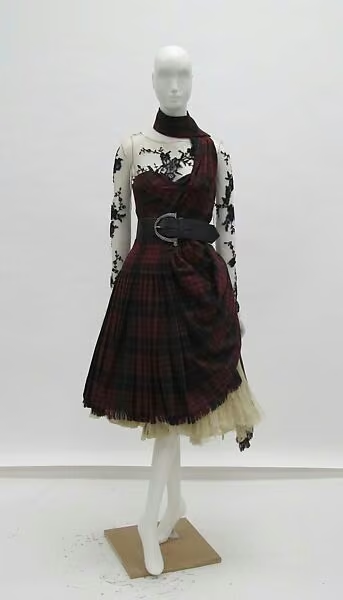
Ensemble
Alexander McQueen · fall/winter 2006–7
Alexander McQueen joined exacting craft to runway performance. His clothes could carry a story through cut and material, while a show made their transformation unfold in front of an audience.
Official house website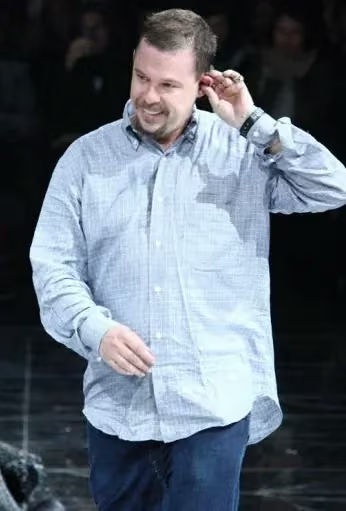
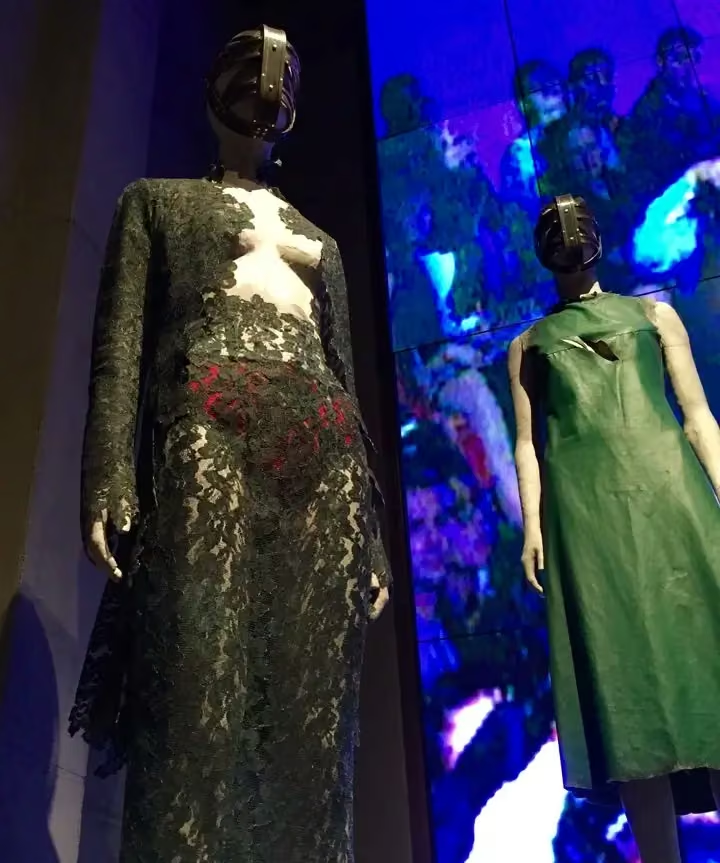
Landmark design
Highland Rape · fall/winter 1995–96
The jagged lace ensemble at left links fragile fabric and disrupted construction to McQueen’s treatment of Scottish history. This is a 2015 exhibition photograph.
Isabell Schulz, 2015; crop by Premeditated Chaos / Wikimedia Commons; CC BY-SA 2.0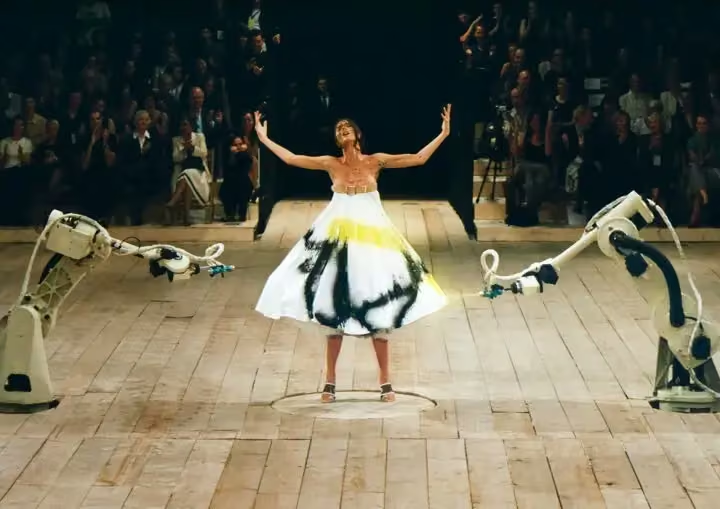
Landmark design
No. 13 · Spring/Summer 1999
Robots sprayed the dress while Shalom Harlow rotated on a platform, making the creation of the garment a live encounter between fashion, performance and technology.
© Robert Fairer; published by V&A Dundee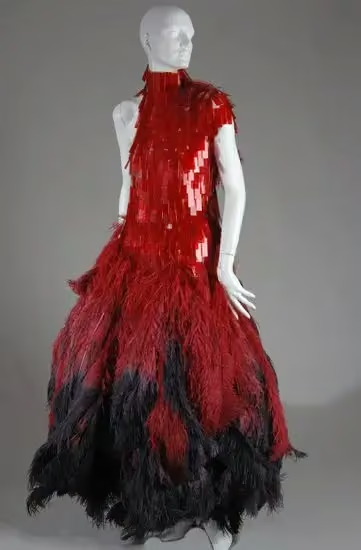
Landmark design
VOSS · Spring/Summer 2001
Red-painted medical slides and ostrich feathers place beauty beside the suggestion of blood and exposed flesh, central to the collection’s unsettling vision.
The Museum at FIT; garment lent by Alexander McQueen; individual photograph credit not stated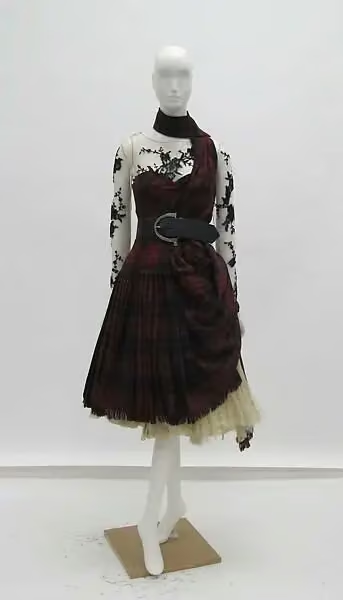
Landmark design
Widows of Culloden · fall/winter 2006–7
Tartan and an exaggerated historical silhouette turn McQueen’s exploration of Scottish identity into a carefully constructed couture ensemble.
The Metropolitan Museum of Art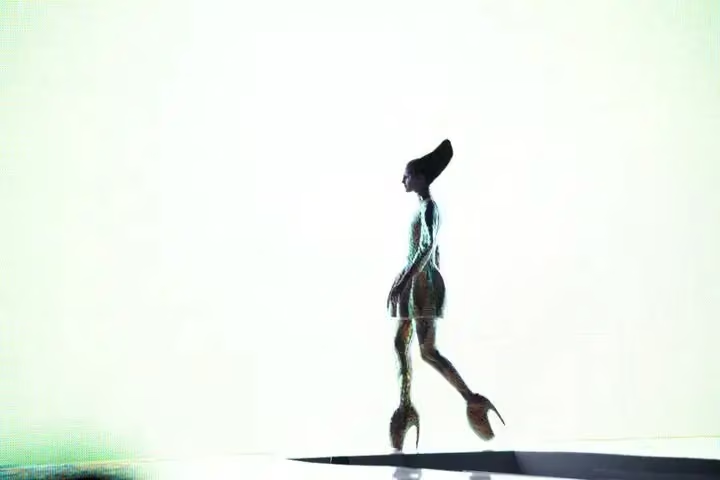
Landmark design
Plato’s Atlantis · Spring/Summer 2010
Iridescent paillettes and Armadillo boots give the body an imagined aquatic form, expressing the collection’s speculative evolution after rising seas.
Model: Polina Kasina, © Lauren Greenfield/INSTITUTE; published by the Victoria and Albert Museum on Artsy2 pieces
Alexander McQueen · fall/winter 2006–7
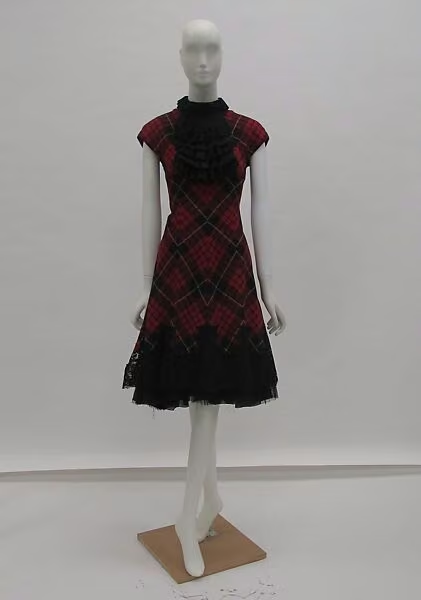
Alexander McQueen · fall/winter 2006–7
1 piece
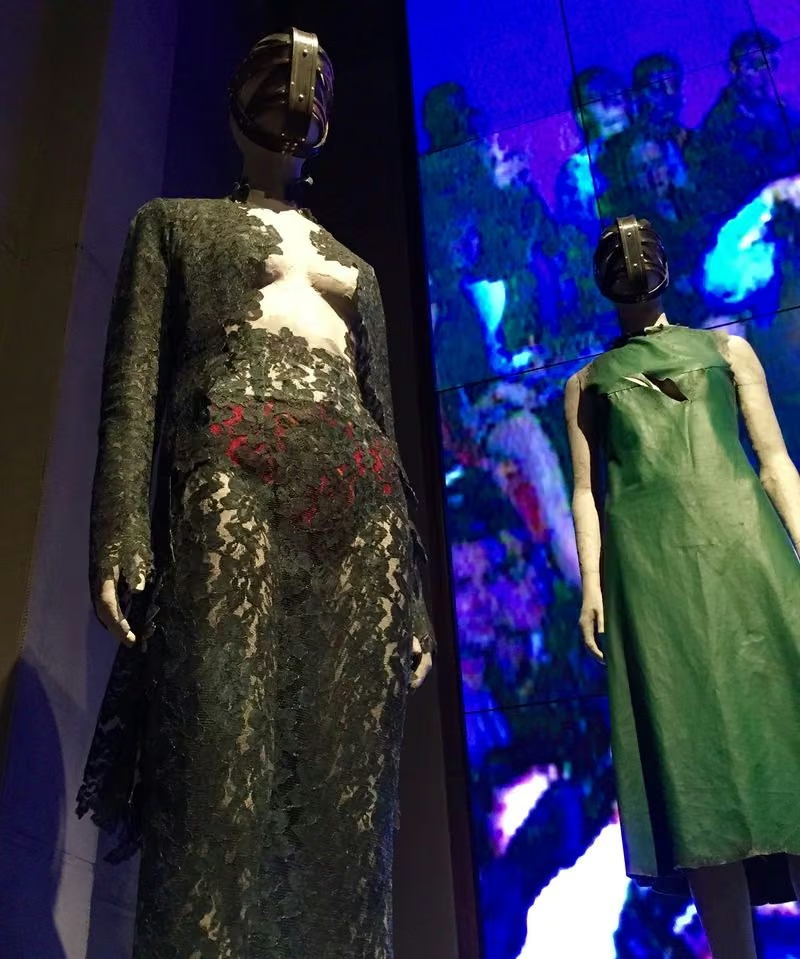
Alexander McQueen · fall/winter 1995–96
Exhibition photograph taken in 2015
McQueen trained in tailoring on Savile Row before studying at Central Saint Martins. In No. 13, his spring/summer 1999 collection shown on 27 September 1998, Shalom Harlow stood on a turning platform as industrial robots sprayed paint across her dress. The design was visibly completed through performance.
Aimee Mullins opened the same show in carved wooden prosthetic legs. The V&A credits Bob Watts and Paul Ferguson for their making, a reminder that the spectacle depended on specialist collaboration as well as McQueen’s direction. His later Widows of Culloden garments, represented in this archive, continue the relationship between technical dressmaking, historical reference and theatrical presentation.