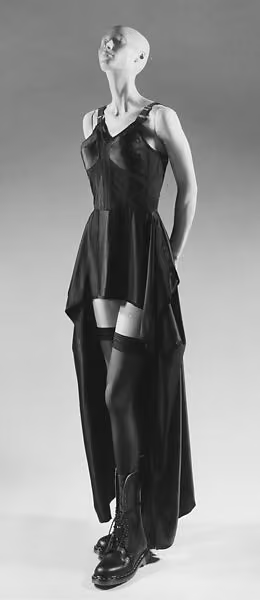
Dress
Jean Paul Gaultier · ca. 1993
Jean Paul Gaultier used garments to complicate the relationship between coverage and exposure. An asymmetric rayon dress sharply contrasts its long and short sections; a padded sweater dress creates the illusion of a body wearing a bikini.
Official house website
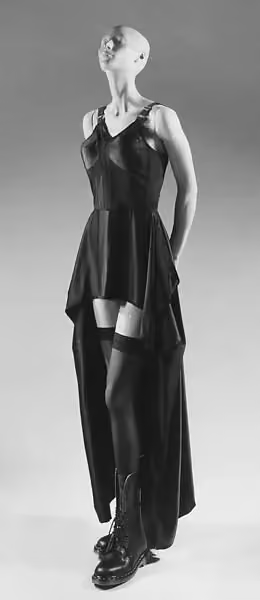
Landmark design
ca. 1993
The short front and long trailing sides turn a fitted dress into a study in uneven hemlines and layered exposure.
The Metropolitan Museum of Art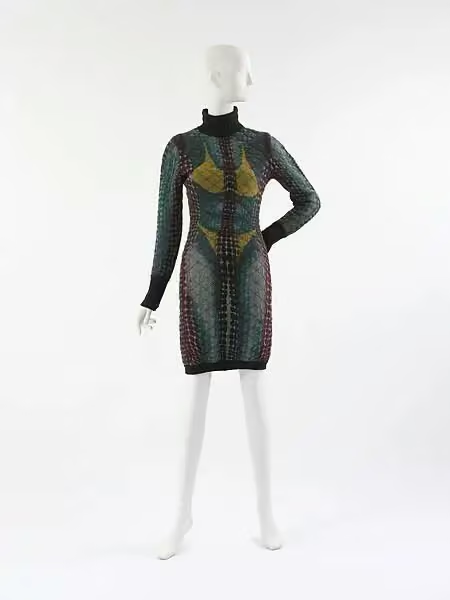
Landmark design
Femmes Amazone · fall/winter 1995–96
Graduated dots create the illusion of a bikini-clad body on a padded sweater dress, turning coverage into apparent exposure.
The Metropolitan Museum of Art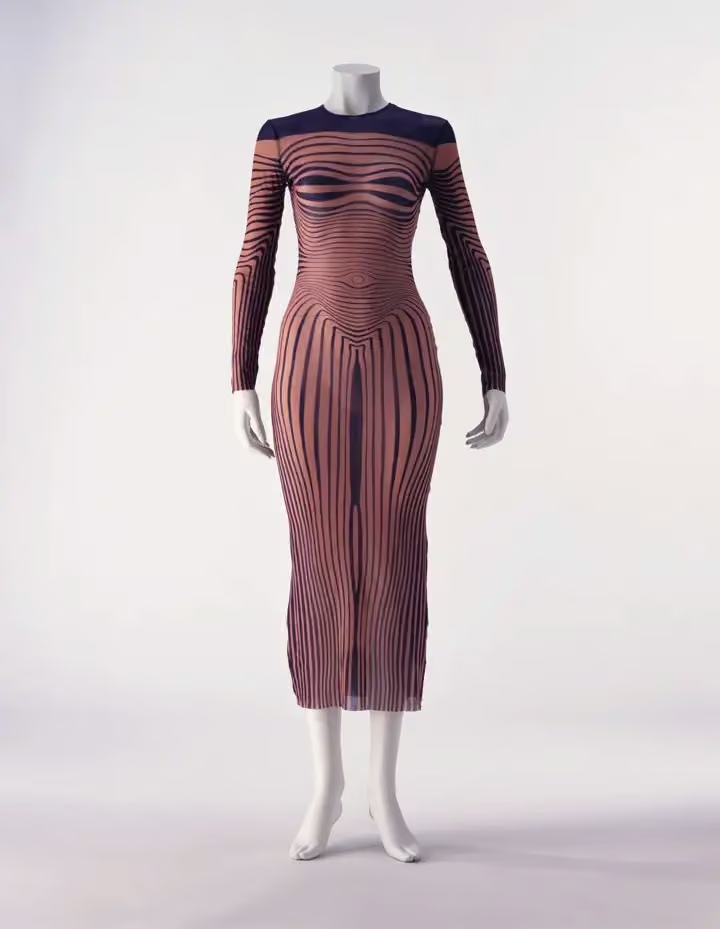
Landmark design
spring/summer 1996
Printed curves draw a second body over the wearer’s own, making transparent nylon mesh a tool for optical illusion.
© The Kyoto Costume Institute, photo by Takashi Hatakeyama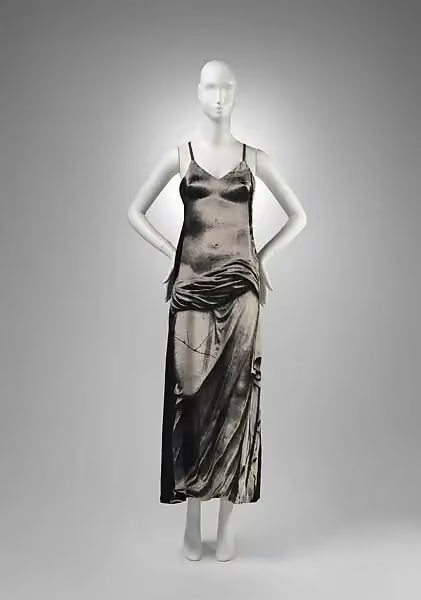
Landmark design
spring/summer 1999
A printed Hellenic figure makes the clothed body appear simultaneously nude, draped and carved in stone.
The Metropolitan Museum of Art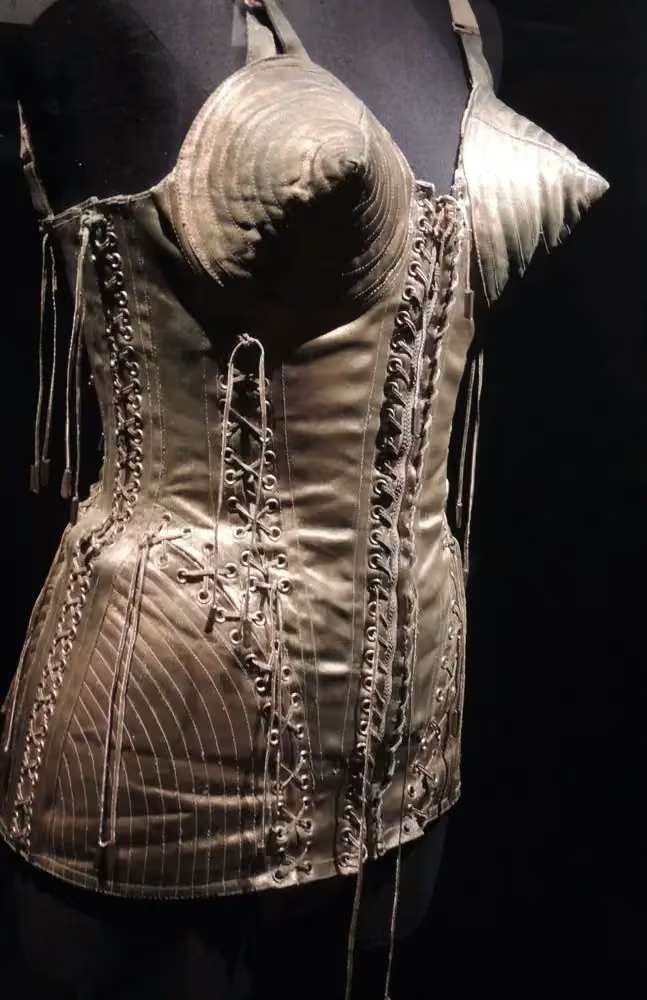
Landmark design
1990 · Blond Ambition World Tour stage costume
Conical cups and exposed corsetry turned an undergarment into a commanding pop-performance costume.
Brandon Carson / Wikimedia Commons1 piece · Season not recorded
Jean Paul Gaultier · ca. 1993
1 piece
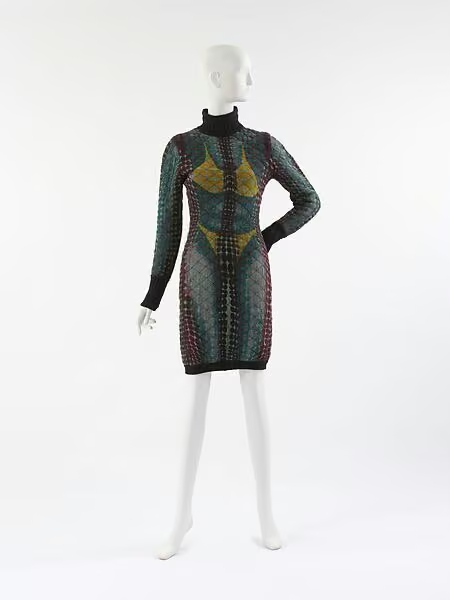
Jean Paul Gaultier · fall/winter 1995–96
These designs demonstrate his use of unexpected proportions and visual deception to make familiar ideas about dressing unstable and playful.