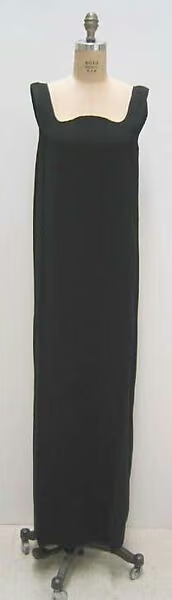
Dress
Martin Margiela · fall/winter 1998–99
Reduced decoration made proportion and material unusually visible. Sander and Lang helped define a varied 1990s language in which a spare appearance could still contain surprise.
Martin Margiela · fall/winter 1998–99
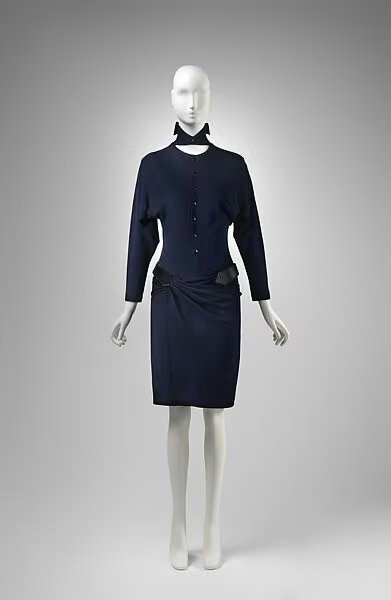
Azzedine Alaïa · ca. 1990
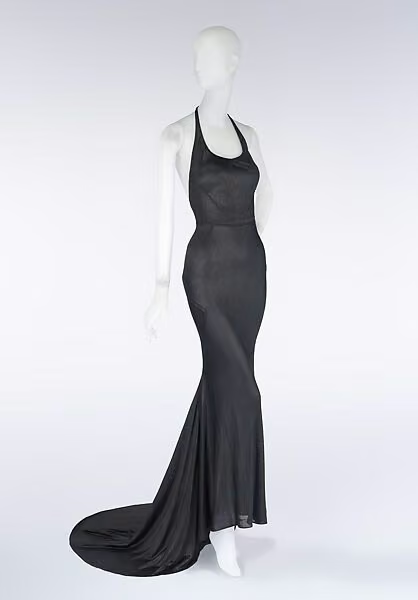
Azzedine Alaïa · ca. 1998
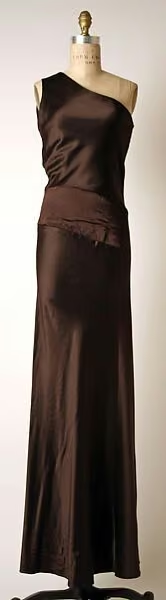
Calvin Klein · fall/winter 1996–97
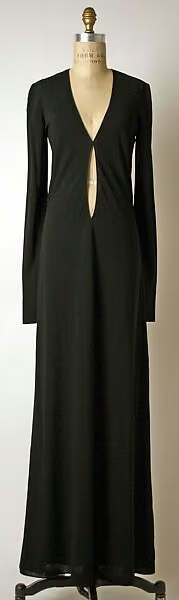
Calvin Klein · fall/winter 1996–97
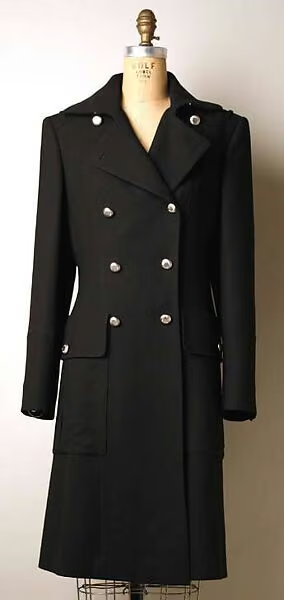
Miuccia Prada · fall/winter 1994–95
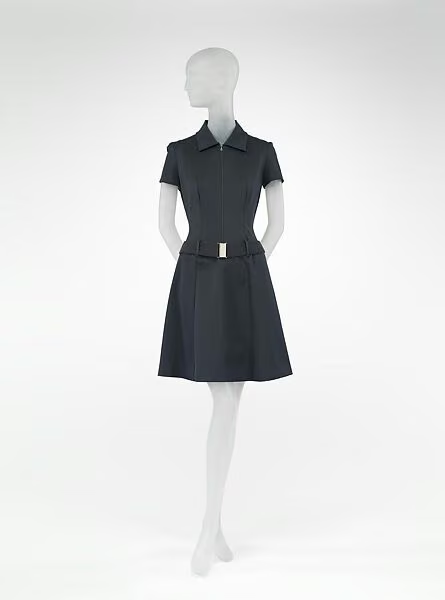
Miuccia Prada · fall/winter 1995–96
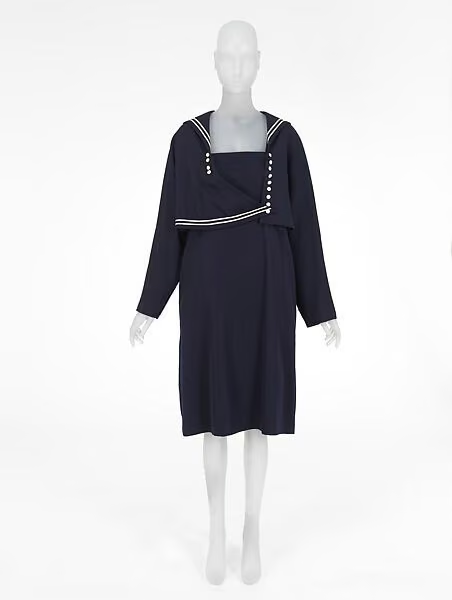
Yohji Yamamoto · fall/winter 1991–92
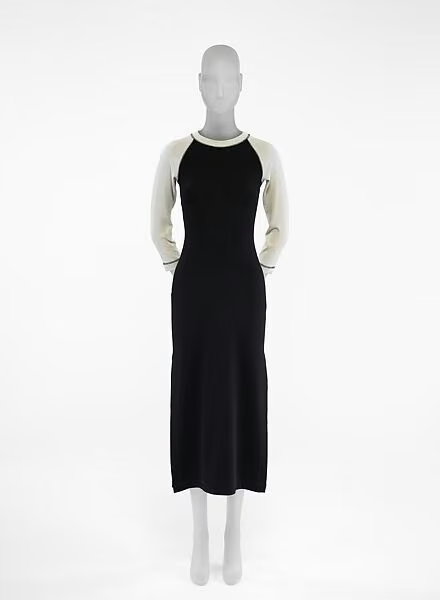
Marc Jacobs · spring/summer 1993
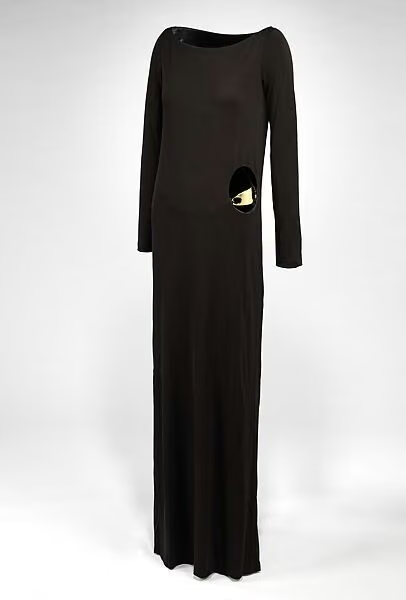
Tom Ford · fall/winter 1996–97
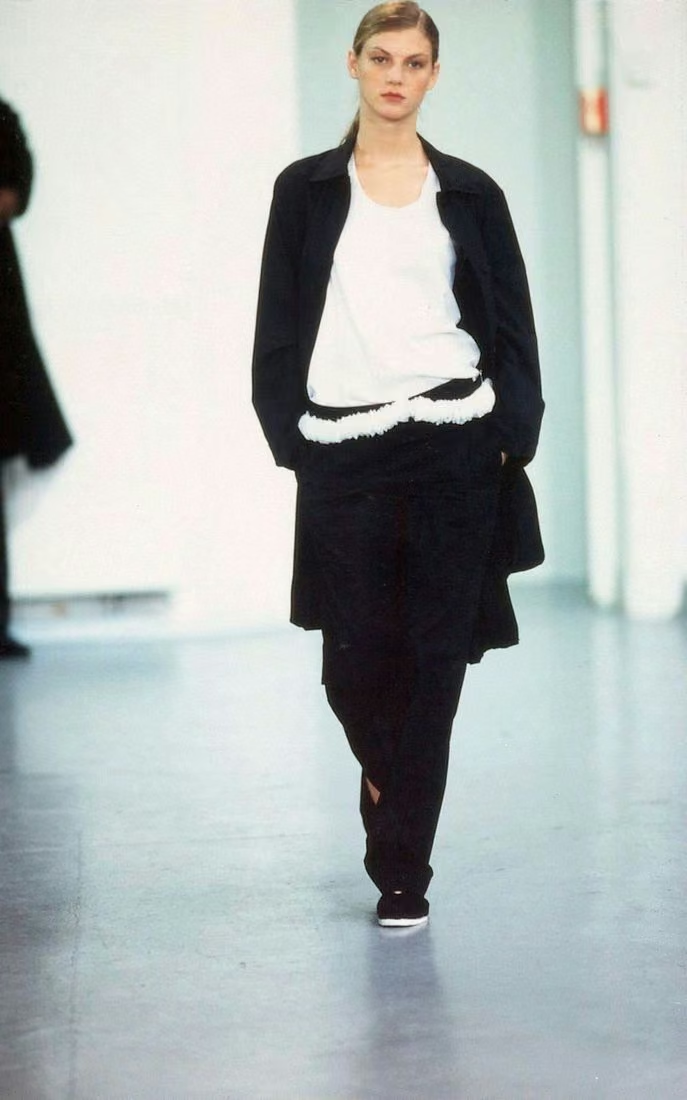
Helmut Lang · Spring 1998 Ready-to-Wear (shown 1997)
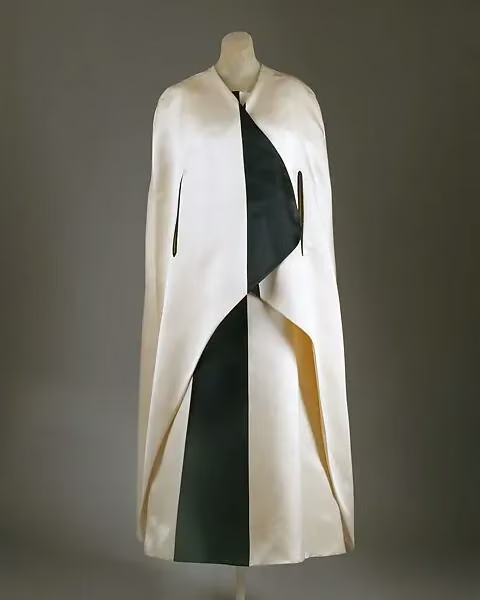
Yeohlee Teng · Fall/Winter 1993–94
Minimalism lets cut, material and proportion carry the design, with reduced ornament and controlled silhouettes. Jil Sander and Helmut Lang were central to its 1990s prominence, alongside different approaches from Calvin Klein and Miuccia Prada. Lang’s spring 1998 opening look uses a long dark coat, loose trousers and a white top to make layering clear, while an unexpected fabric detail at the waist complicates its restraint. Minimalism could be sensuous or utilitarian; a spare surface did not require every designer to use the same construction. A related Galliera record documents Sander’s fall/winter 1994–95 black velvet dress, where a spiral chiffon inset makes transparency the principal decoration; the museum identifies its modesty lining as a later addition.
Making the hidden visible
Precision around the body
The expressive power of restraint
Rethinking familiar clothes
Tradition, taken apart and remade
Subculture enters the wardrobe
Sensuality through reduction
Minimalism, utility and digital experimentation
Clothing as shelter, cut with geometric economy