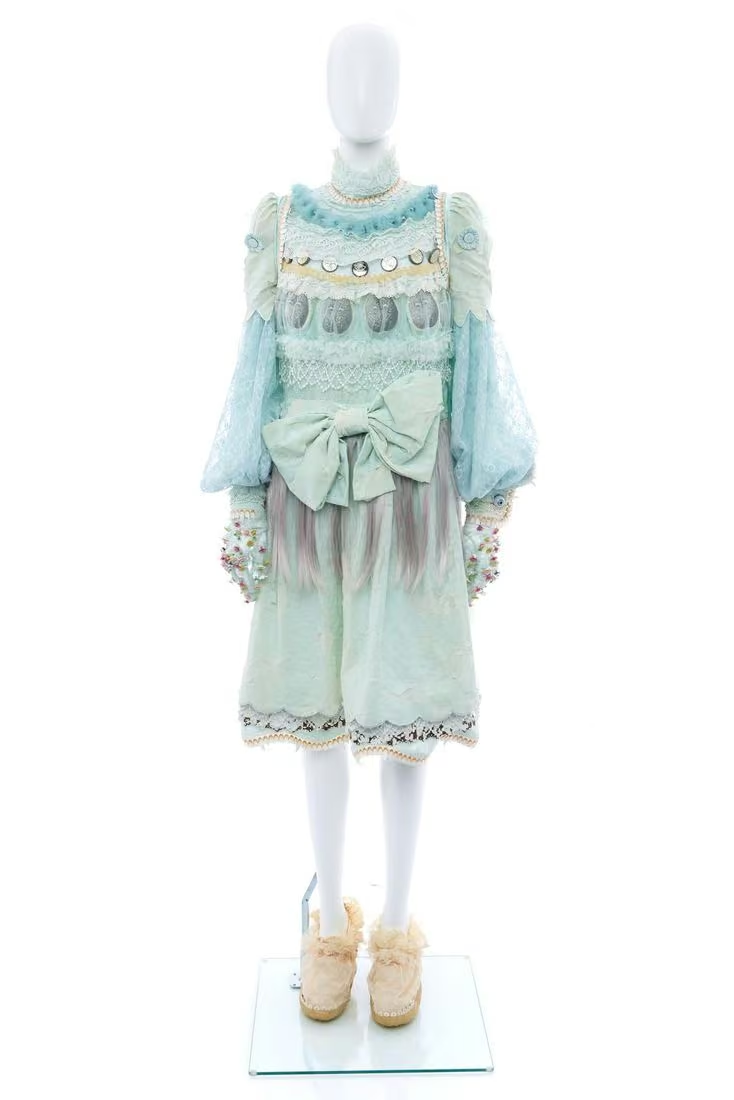
But Beautiful II outfit
Jun Takahashi · Spring/summer 2005
Harajuku’s fashion energy came from people assembling their own looks. Photographs recorded a changing mix of vintage, handmade and independent-label clothes rather than a single uniform.
Jun Takahashi · Spring/summer 2005
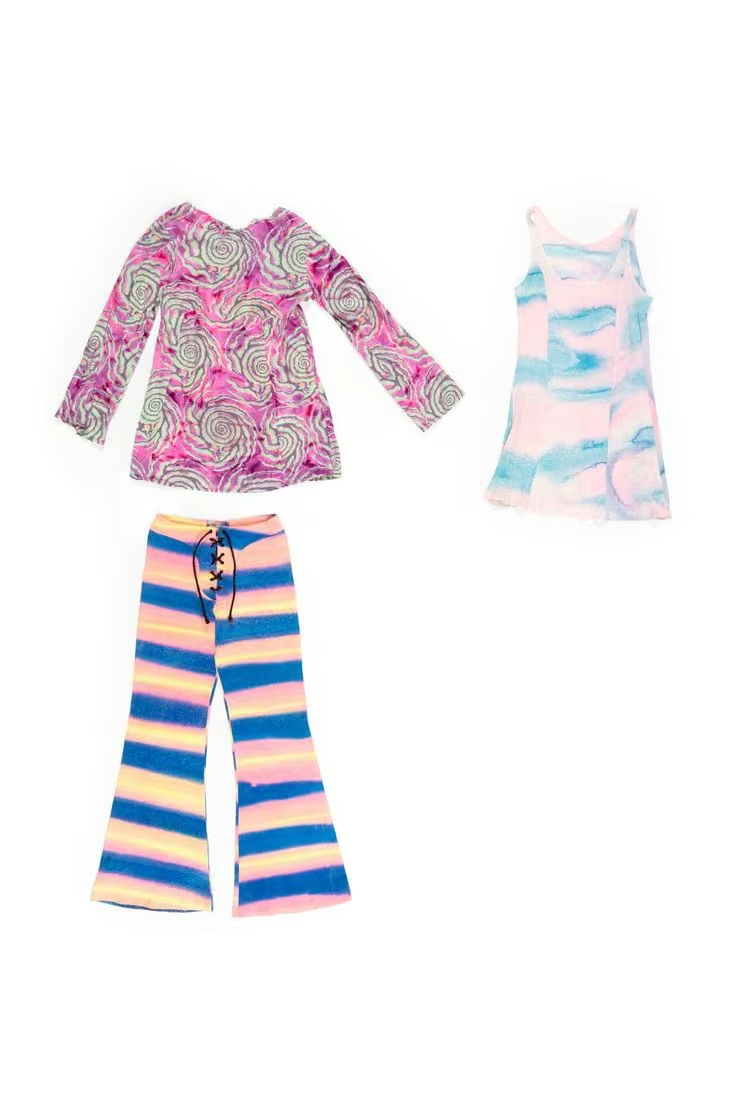
New Funk Inc.; selected and worn by Hashimoto Suguru · Made 2000; worn about 2000–02
Suguru wore the two tops with different trousers in a photograph published in FRUiTS in September 2000. The museum preserves this group of garments from his wardrobe.
Materials: Polyester tops; cotton-polyester jersey trousers
Explore the original record Powerhouse Collection, SydneyHarajuku street style describes a fashion community rather than one uniform look. Around the turn of the millennium, young people mixed secondhand clothes, handmade pieces, Japanese dress references and independent labels into highly personal outfits. Shoichi Aoki’s FRUiTS magazine documented this experimentation from 1997. Decora, Gothic Lolita, punk and other looks coexisted, while the back streets of Harajuku nurtured labels including Undercover. The wearers’ combinations were essential: a designer garment was one ingredient in a look, not its complete explanation.
Punk, transformed through craft