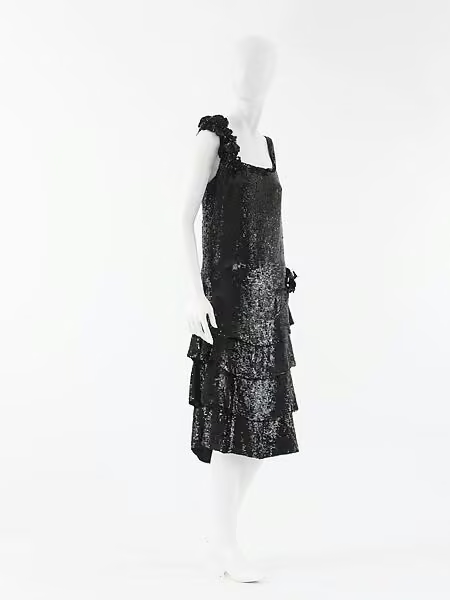
Evening dress
Gabrielle Chanel · 1925
Gabrielle “Coco” Chanel helped make ease look luxurious. Jersey, coordinated separates and softly structured suits offered a wardrobe built around movement, with apparently simple shapes supported by exacting construction.
Official house website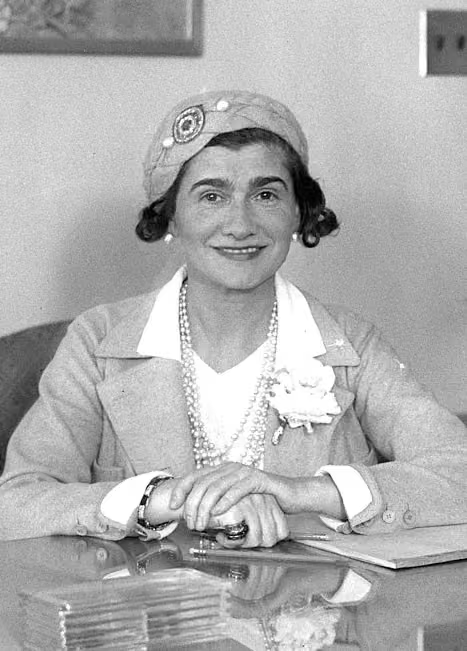
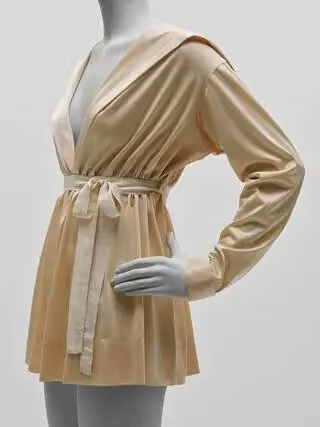
Landmark design
Spring/Summer 1916
One of Chanel’s earliest surviving garments, this loose silk-jersey blouse brings the ease of sailors’ clothing into a wealthy woman’s wardrobe.
© CHANEL / Photo: Nicholas Alan Cope; Patrimoine de CHANEL, Paris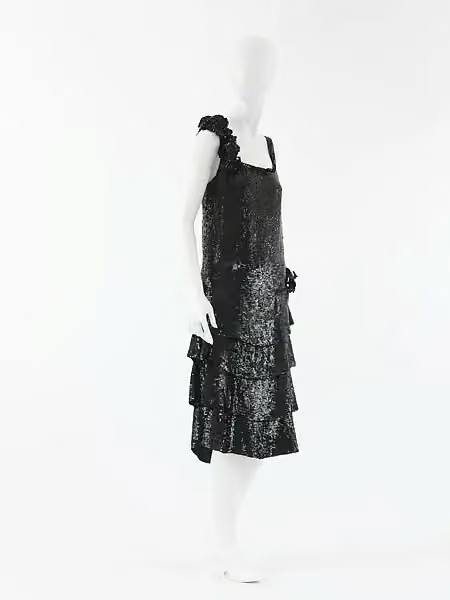
Collection selection
1925
A straight silhouette and continuous field of paillettes make this a clear example of Chanel translating the simplicity of sportswear into evening dress.
The Metropolitan Museum of Art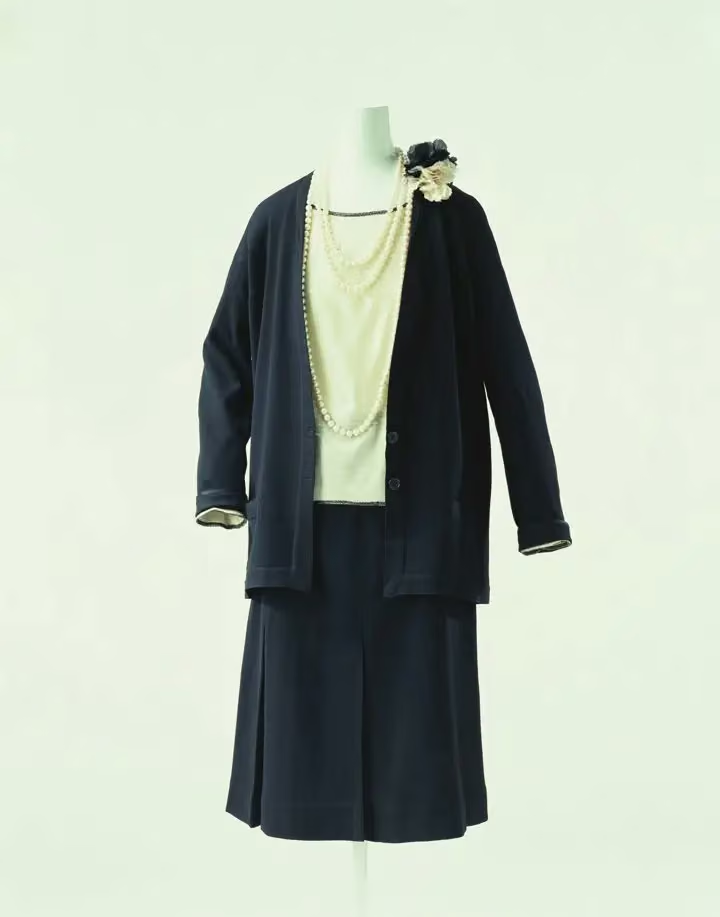
Collection selection
c. 1928
The unlined cardigan, jersey sweater and knee-length skirt demonstrate Chanel’s lasting idea of a wardrobe built from comfortable, coordinated separates.
© The Kyoto Costume Institute, photo by Takashi Hatakeyama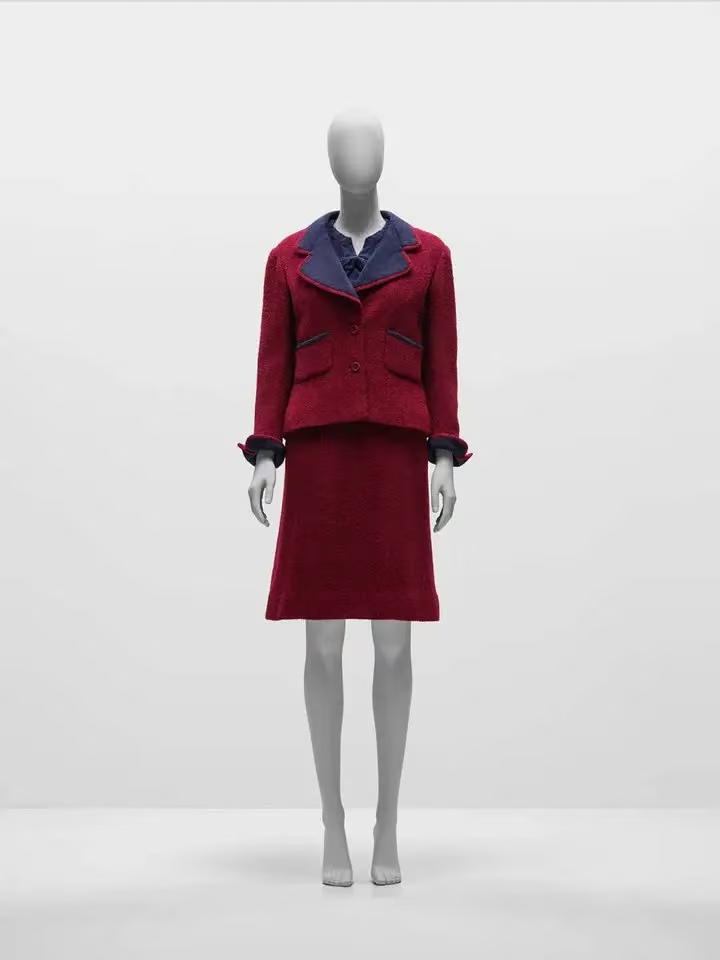
Collection selection
ca. 1956
This supple tweed suit represents the practical tailoring that made Chanel’s return to couture in 1954 an enduring influence on postwar dress.
© CHANEL / Photo: Nicholas Alan Cope / Courtesy of Victoria and Albert Museum, London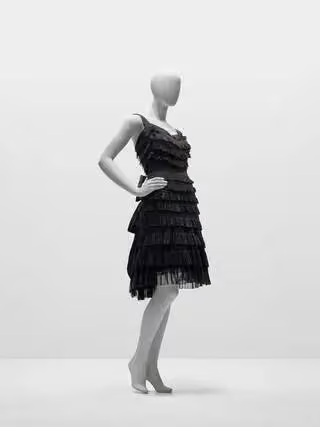
Landmark design
Spring/Summer 1961
Worn by Delphine Seyrig in the film, its gathered chiffon ruffles show Chanel continuing to develop black eveningwear decades after her famous 1926 dress.
© CHANEL / Photo: Nicholas Alan Cope / Courtesy of Victoria and Albert Museum, London1 piece · Season not recorded
1 piece · Season not recorded
Gabrielle Chanel · 1927
1 piece · Season not recorded
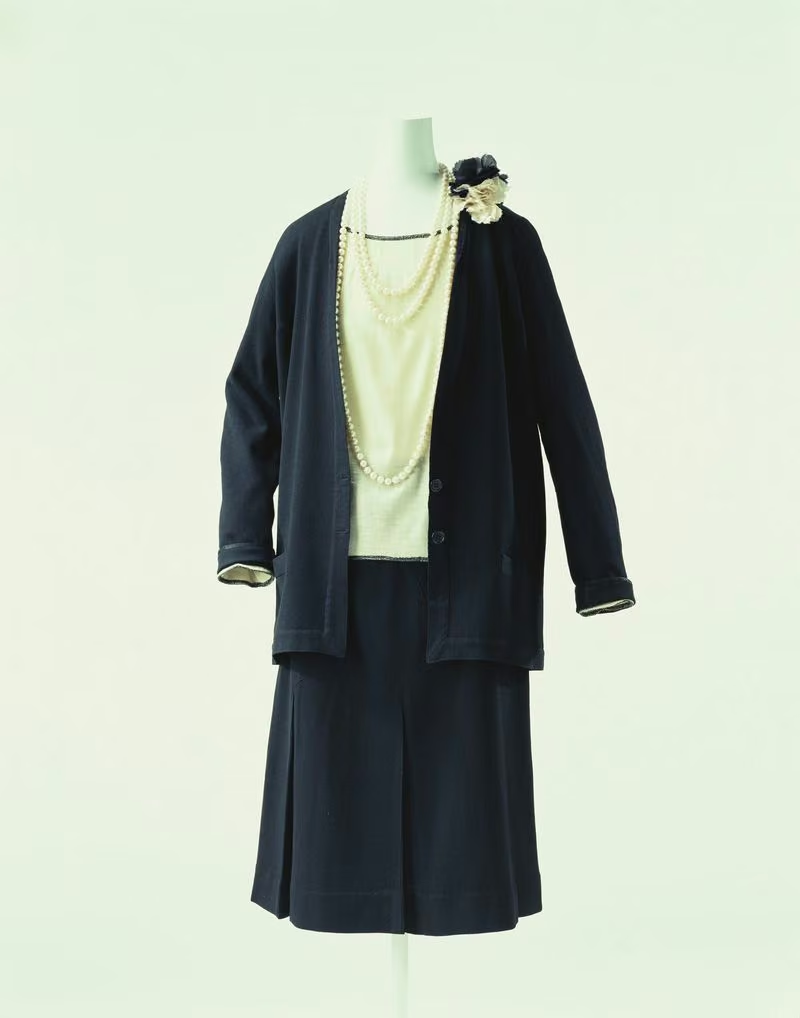
Gabrielle Chanel · c. 1928
1 piece · Season not recorded
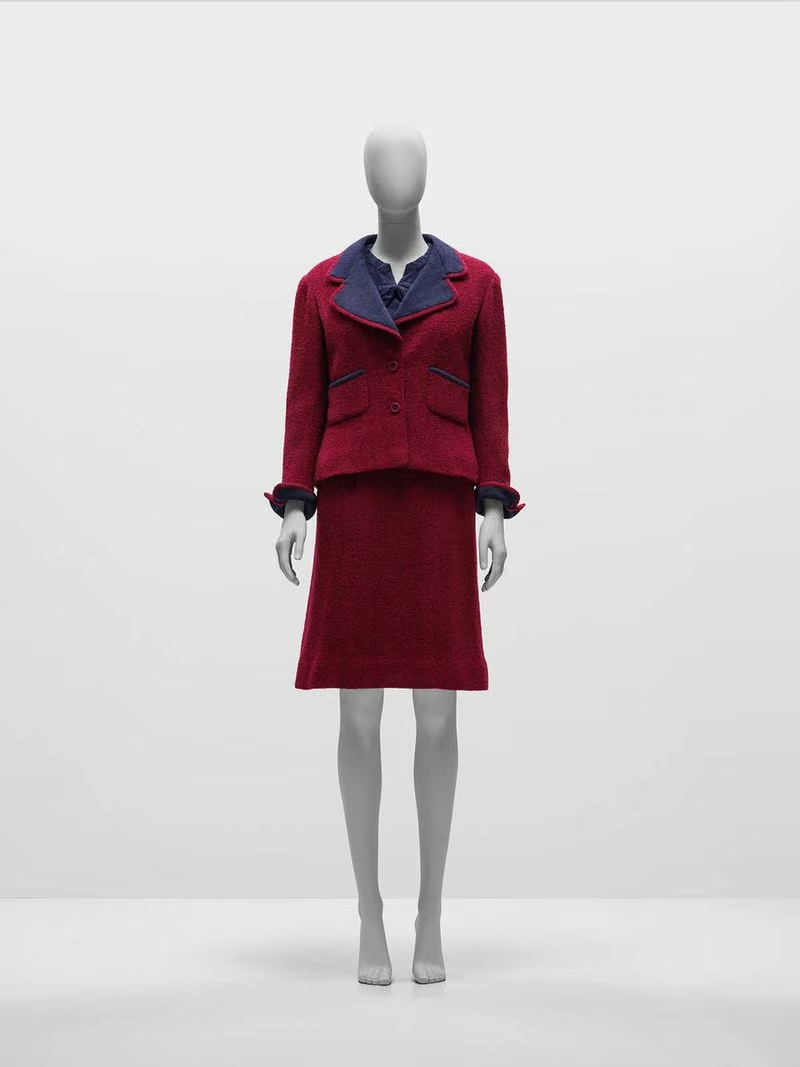
Gabrielle Chanel · ca. 1956
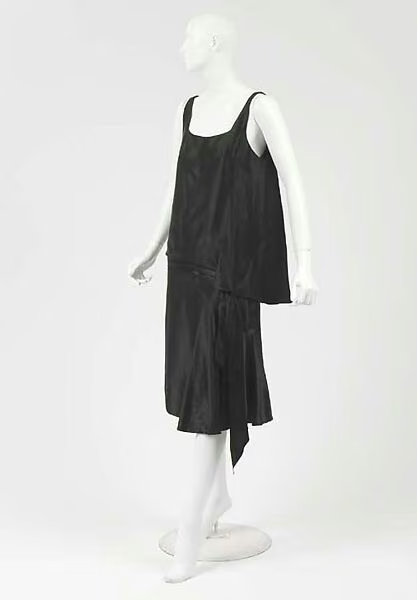
Chanel brought supple knitted jersey into the wardrobes of couture clients, using its drape and natural give for blouses, jackets and skirts that allowed the wearer to move. She popularized this approach rather than inventing practical dress. In 1926, American Vogue compared her little black dress to a Ford: an image of a widely recognizable, adaptable fashion basic.
After her return to couture in 1954, the tweed suit became a defining part of her later work. Cardigan-like jackets and matching skirts balanced ease with a carefully controlled line. The detail that makes that balance tangible is hidden inside: a metal chain sewn into the jacket hem adds weight so that the fabric hangs as intended.