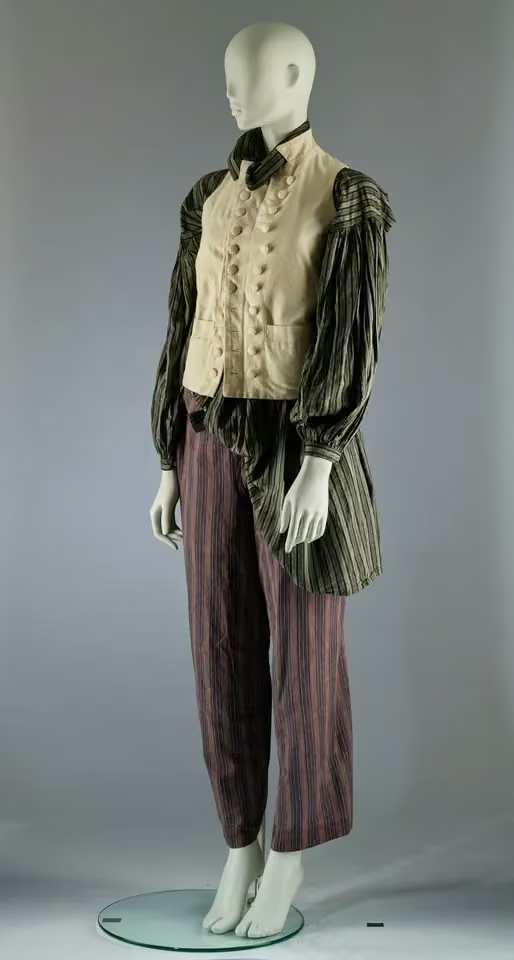
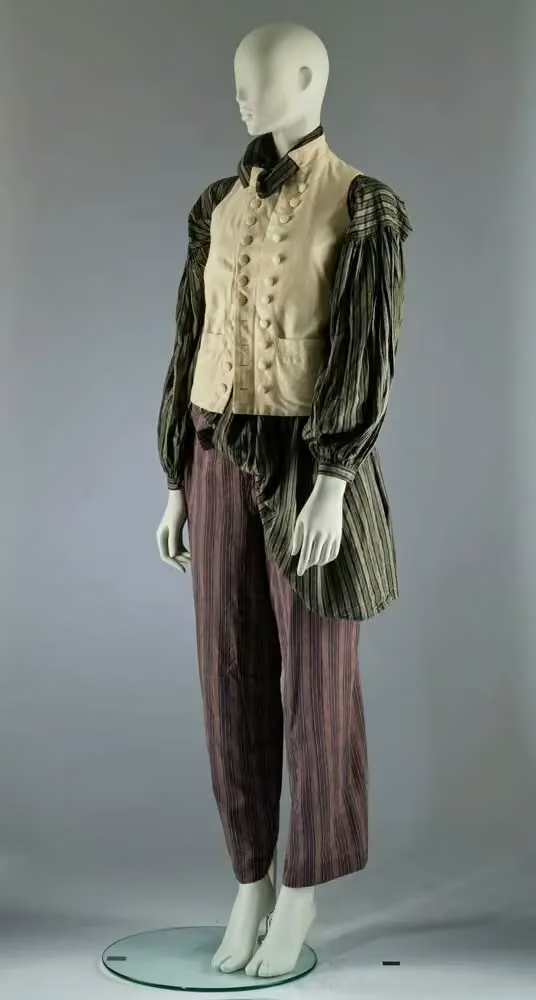
Pirate waistcoat, shirt and trousers
Malcolm McLaren & Vivienne Westwood · 1981–1982
Malcolm McLaren was a British fashion collaborator, music manager and cultural provocateur whose work with Vivienne Westwood connected clothing to the emerging punk scene. Through their King’s Road shops, they combined historical references, confrontational graphics and subcultural dress.

Collection selection
Pirate, autumn/winter 1981–1982
The ensemble combines a waistcoat, a long shirt with full sleeves and trousers with an asymmetric waistband. Its historicizing shapes helped define the New Romantic look.
Pierre Wachholder / © Musées de la Ville de Bruxelles, 2021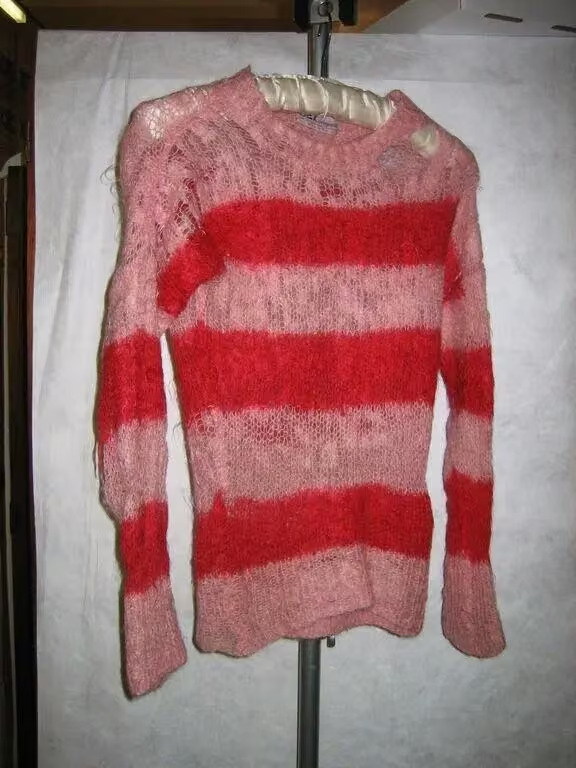
Collection selection
1977-1980 · Seditionaries
Loose knitting and worn openings challenge the polished finish expected of conventional knitwear.
© Victoria and Albert Museum, London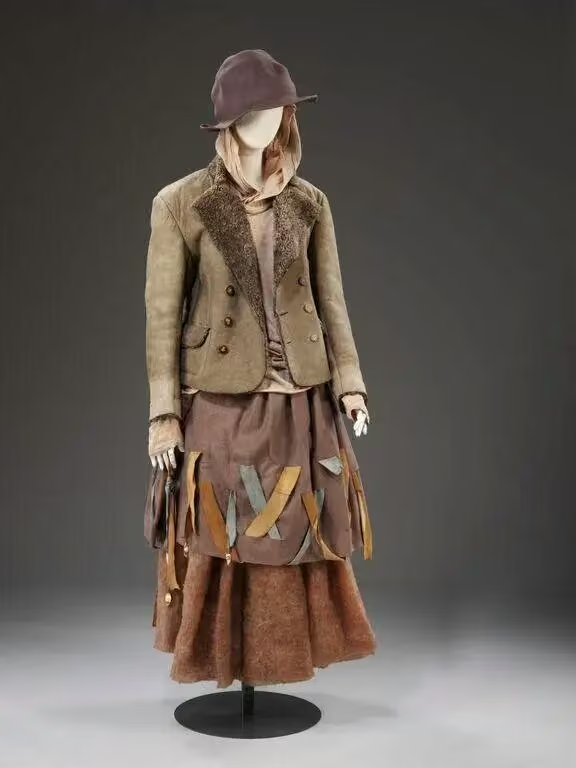
Collection selection
Buffalo — Spring/Summer 1982
Tailoring, sheepskin and a decorated wrap skirt combine into an intentionally layered silhouette.
© Victoria and Albert Museum, London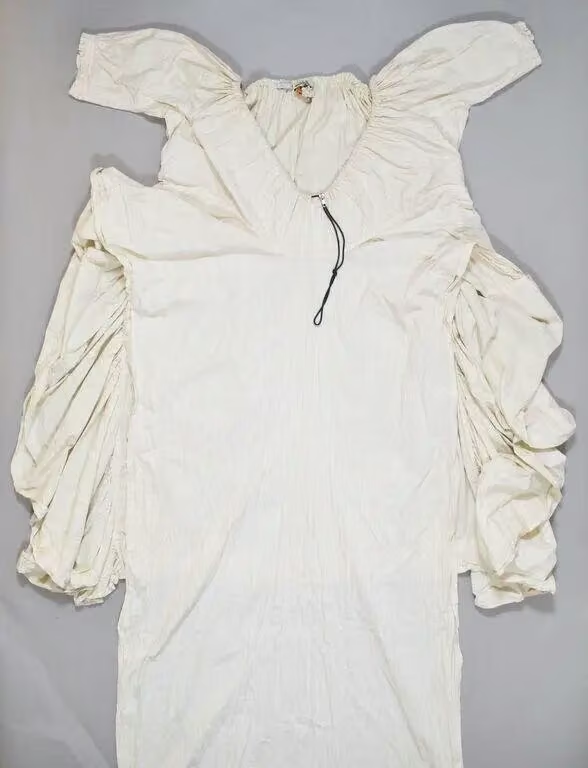
Collection selection
Hobo-Punkature, 1983
An uneven outline and gathered neckline replace conventional dress structure with adjustable, irregular volume.
© Victoria and Albert Museum, London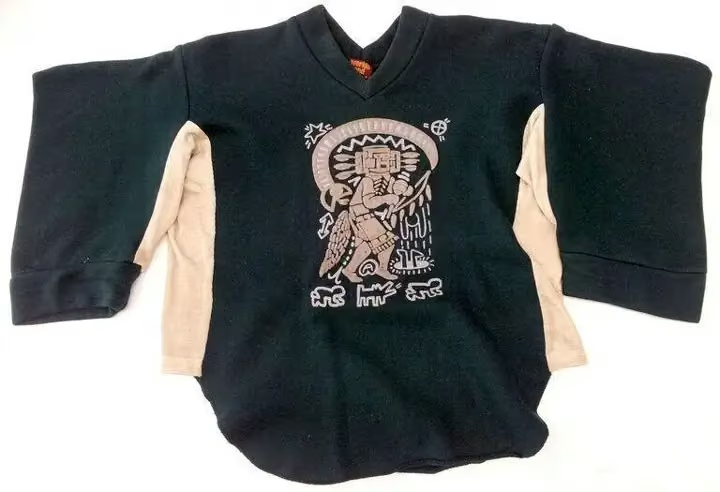
Collection selection
Witches — Autumn/Winter 1983
A graphic print and broad, angular sleeves turn a casual top into an expressive silhouette.
© Victoria and Albert Museum, London1 piece
Their first joint runway collection, Pirate in 1981, helped shape New Romantic fashion with billowing shirts, unusual trouser cuts and an androgynous theatricality. The partnership continued through Witches in 1983. McLaren’s importance lies in the exchange he encouraged between garments, music, performance and the creation of a public identity.