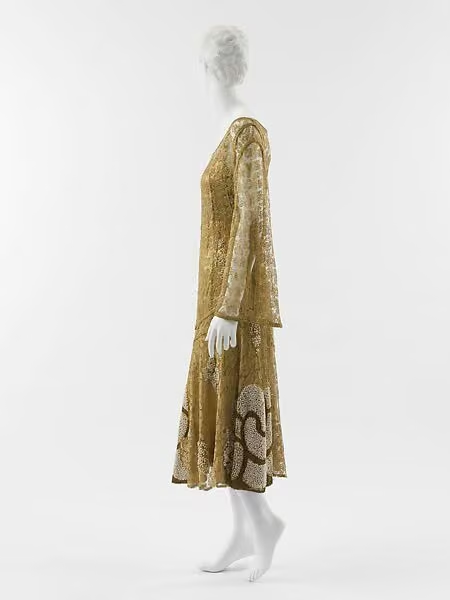
Evening dress
Paul Poiret · ca. 1925
Paul Poiret made bold color, draped form and fashion illustration part of a single creative practice. His early work changed how Paris couture could be cut, worn and presented, well before the 1920s garments in this archive.
Official house website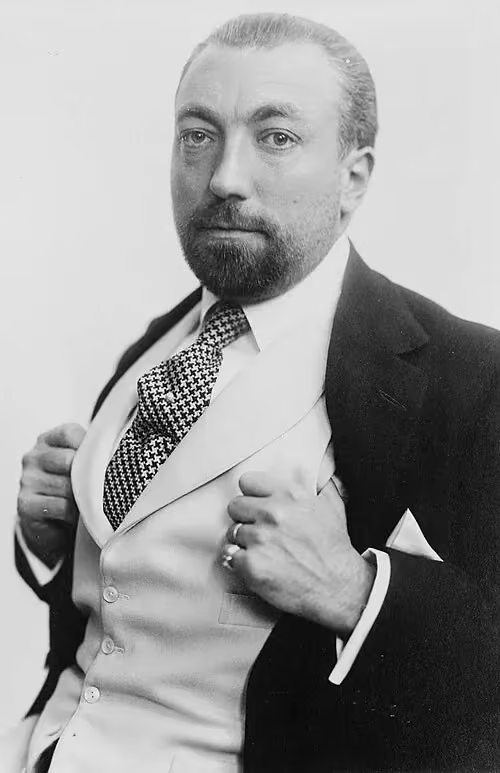
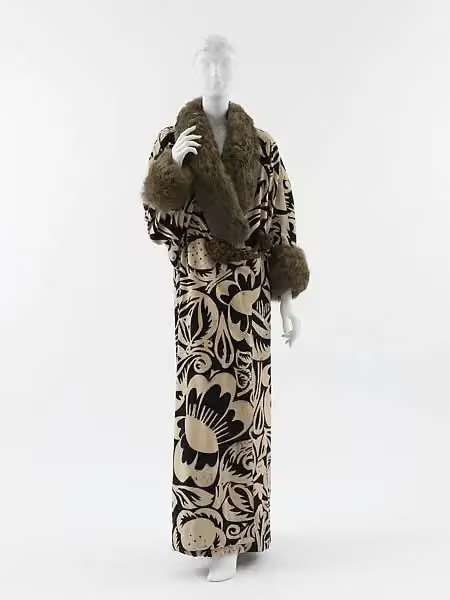
Landmark design
1911
Raoul Dufy’s printed textile works with the coat’s broad surfaces, exemplifying Poiret’s influential collaboration between fashion and modern art.
The Metropolitan Museum of Art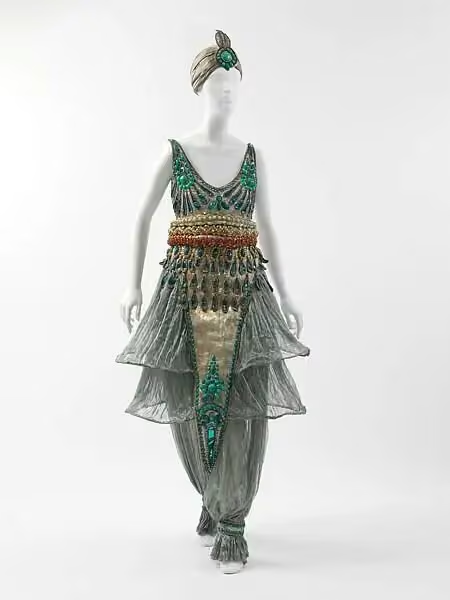
Landmark design
1911 — fancy-dress design
Created for Poiret’s famous costume party, the design shows how theatrical dress and staged social events helped establish a couturier’s public identity.
The Metropolitan Museum of Art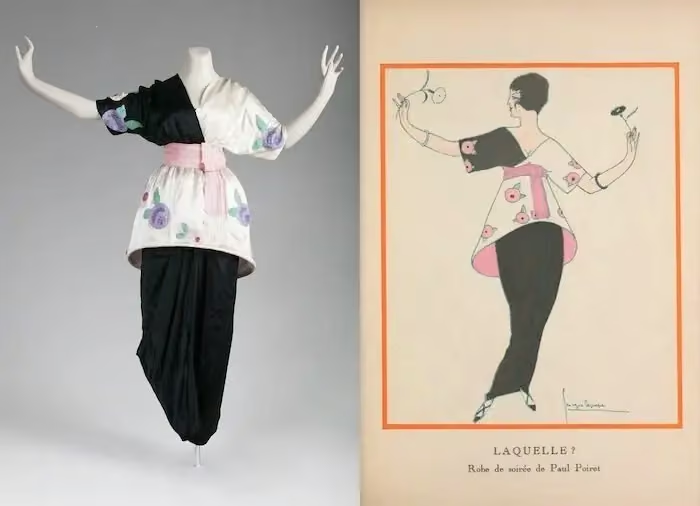
Landmark design
1913
The hooped, lampshade-like tunic over a narrow skirt produces one of Poiret’s most recognizable silhouettes. This example was worn for a 1913 debutante ball.
Chicago History Museum, ICHi-063292; period illustration courtesy of Smithsonian Libraries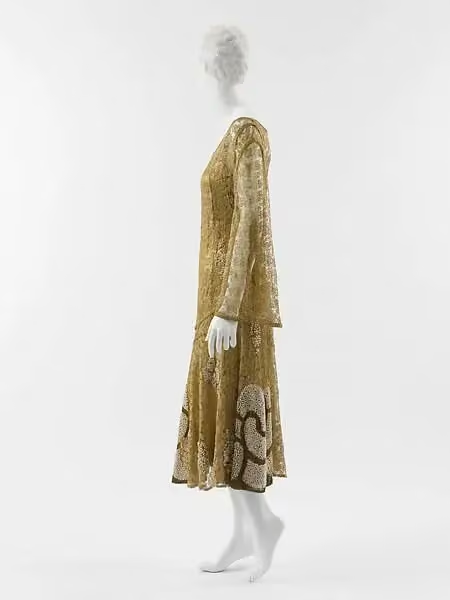
Collection selection
ca. 1925
Heavy gold lace and simulated pearls pull the skirt into irregular folds, making ornament an active part of the garment’s shape.
The Metropolitan Museum of Art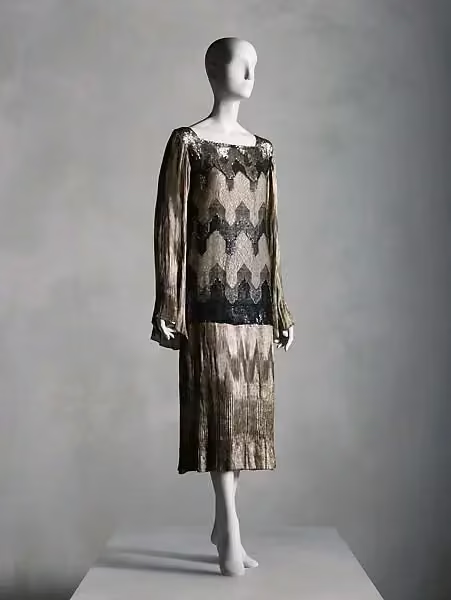
Landmark design
1925
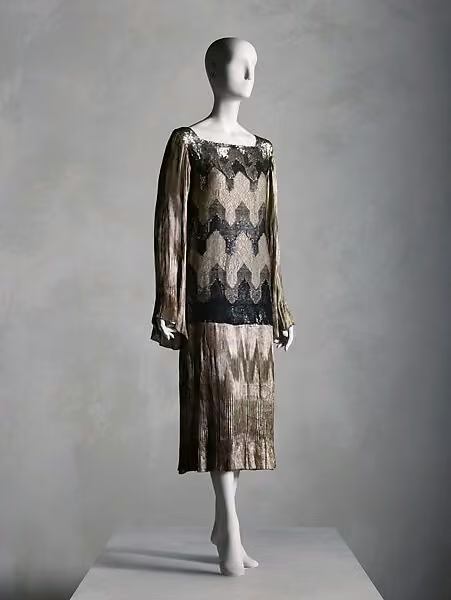
Pleated golden sleeves and a densely decorated column connect Poiret’s later couture to the geometric luxury of the 1925 Art Deco exposition.
The Metropolitan Museum of Art1 piece · Season not recorded
Paul Poiret · ca. 1925
1 piece · Season not recorded
Paul Poiret · 1925
Poiret founded his house in 1903 after working for Doucet and Worth. Draping cloth on the body and using simple geometric shapes offered alternatives to closely fitted tailoring. The Met traces one early mantle to the flat construction of Japanese kimono: a large rectangle of black wool carried Chinese-style embroidery. Naming these sources makes the cross-cultural borrowing visible.
Paul Iribe’s 1908 album and Georges Lepape’s 1911 album helped communicate the color and mood of Poiret’s clothes through illustration. His wife, Denise, was central to their presentation and use. Poiret belongs to a wider move away from corsetry that also involved designers such as Lucile and Vionnet; he did not accomplish it alone.