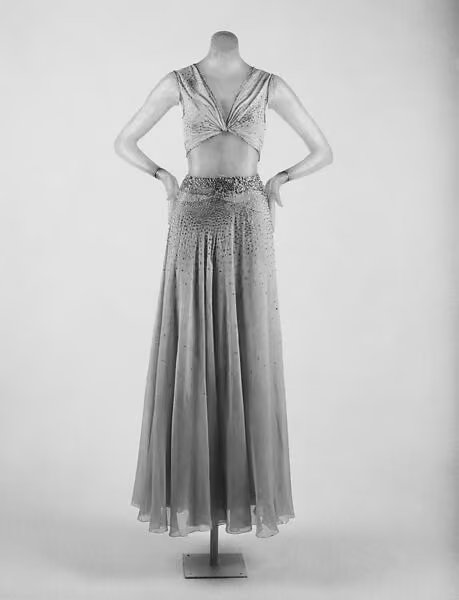
Evening dress
Madeleine Vionnet · Spring/Summer 1932
Film stars made evening fashion visible to a mass audience. Slender draped gowns shared the screen’s influence with dramatic shapes such as Adrian’s ruffled Letty Lynton dress.
Madeleine Vionnet · Spring/Summer 1932
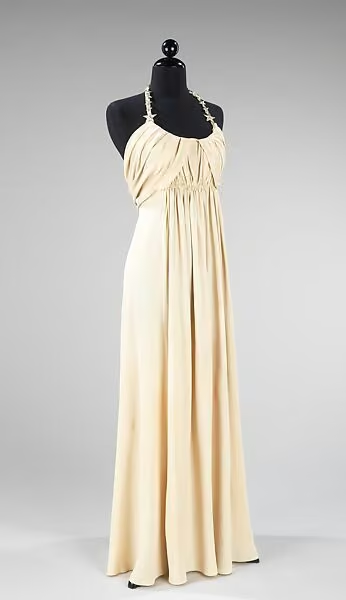
Madeleine Vionnet · 1938
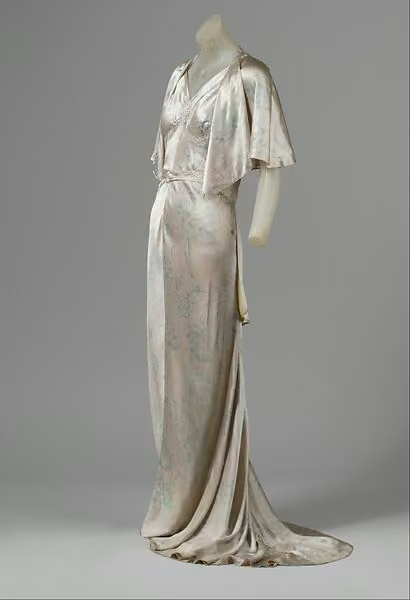
Jean Patou · ca. 1931
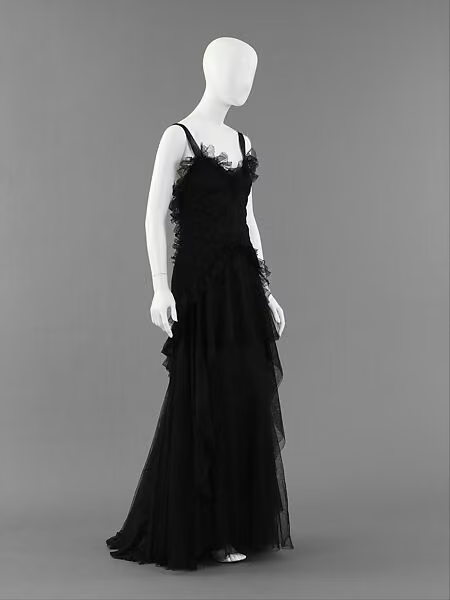
Lucien Lelong · early 1930s
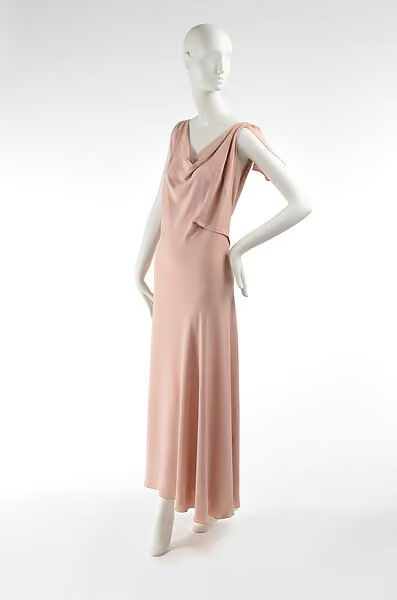
Augusta Bernard · ca. 1932
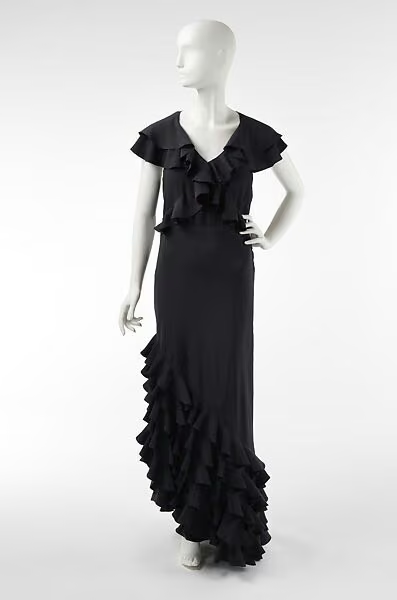
Marcel Rochas · ca. 1931
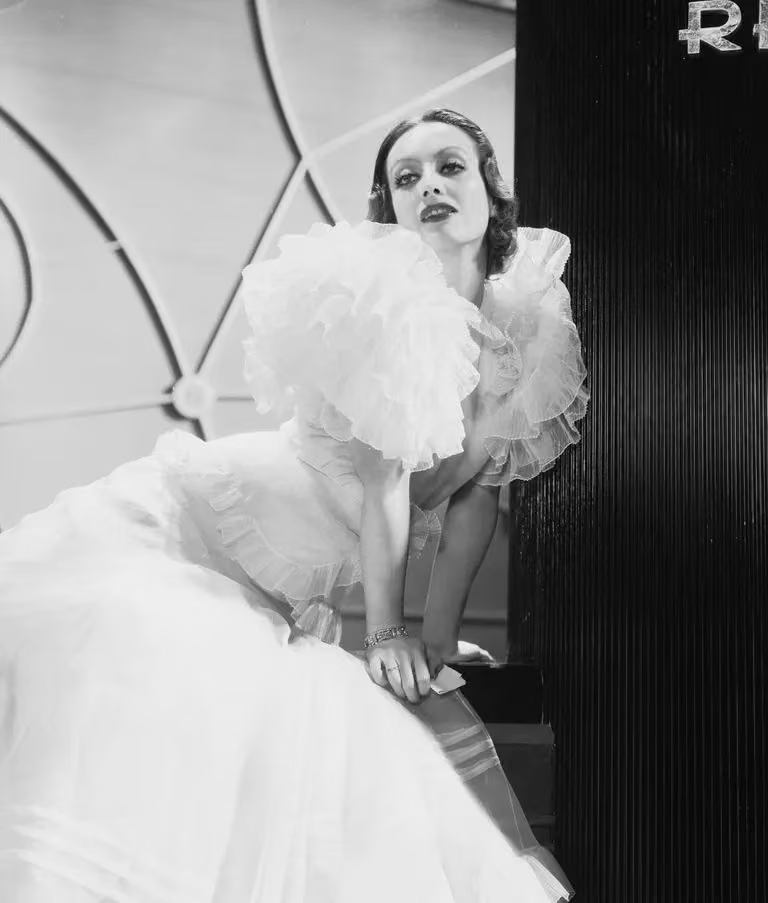
Gilbert Adrian · 1932
1932 publicity photograph
Hollywood glamour joined screen costume to fashionable evening dress. Fluid satin, low backs and bias-cut gowns made a body-skimming line familiar, but cinema also promoted very different shapes. Adrian’s white organdie dress for Joan Crawford in Letty Lynton (1932) used enormous ruffled sleeves and a full skirt to frame a small waist. Its widely copied silhouette shows how a film costume could move into shops and wardrobes. The couture gowns here show the parallel importance of drape; they are not themselves evidence of what Crawford wore on screen.
The geometry of drape
From modern simplicity to fluid eveningwear
Couture shaped through creative direction
Drape with minimal ornament
Ruffles, proportion and tailored line
Modern art, Hollywood and precise cutting