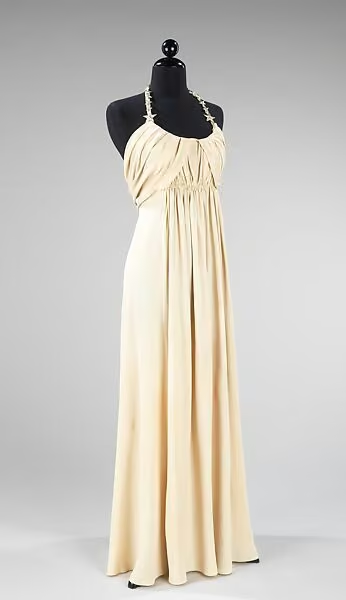
Hollywood glamour
Body-skimming gowns · Fluid drape · Low backs and long hems
Hollywood glamour, surrealism
Soft drape and defined structure offered contrasting ways to dress. Cinema spread glamorous images while couture explored both the body’s outline and the possibilities of illusion.
Body-skimming gowns · Fluid drape · Low backs and long hems
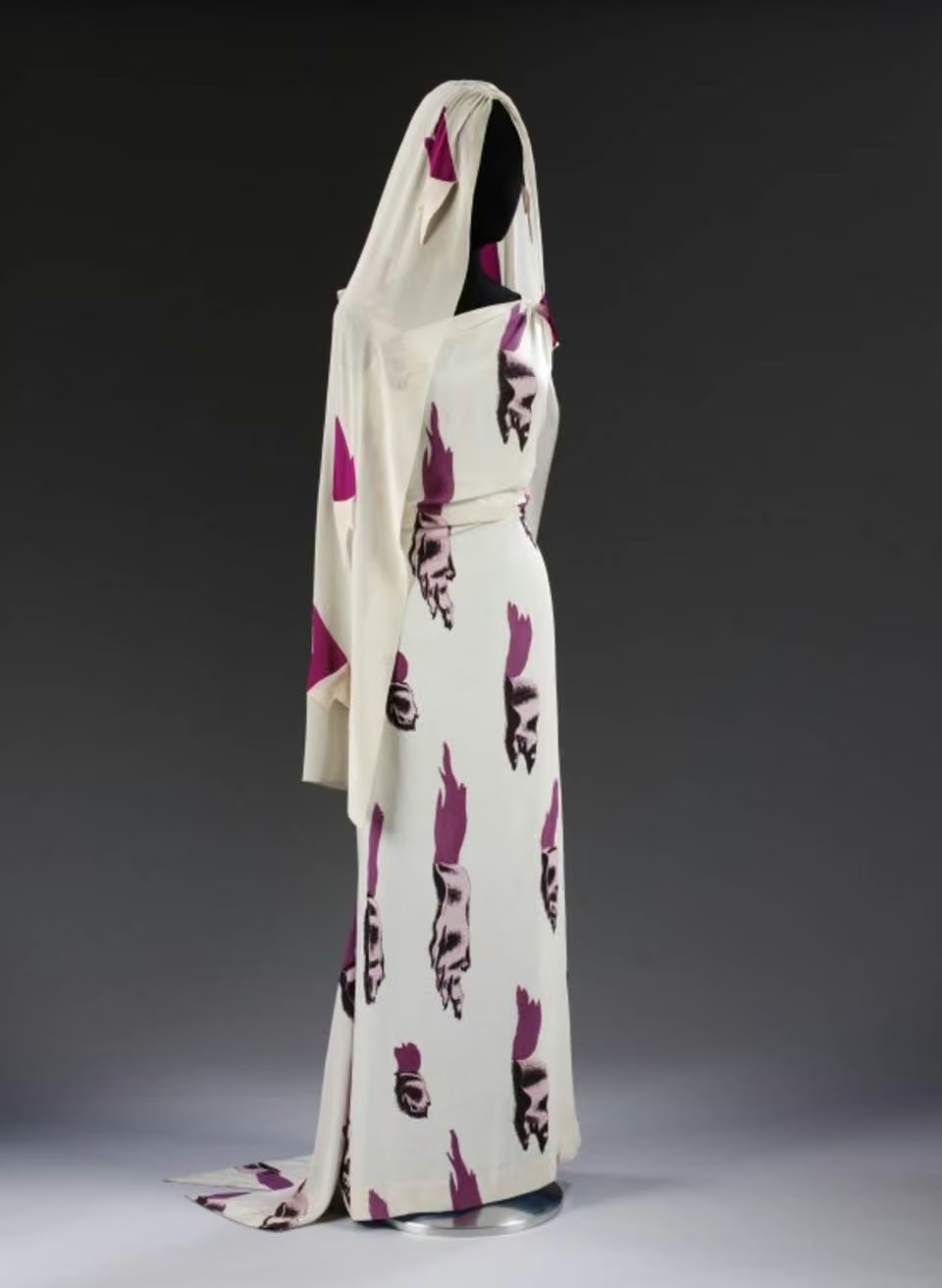
Visual illusion · Unexpected objects · Artist collaborations
Selected examples dated to this decade.
Madeleine Vionnet · 1938
Elsa Schiaparelli · February 1938
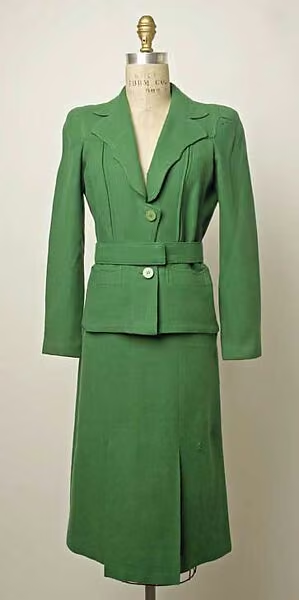
Marcel Rochas · mid-1930s
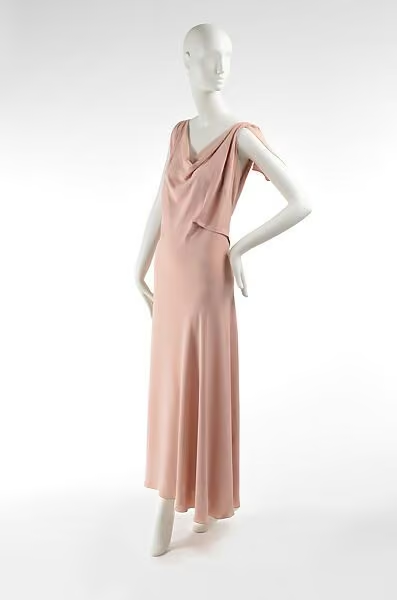
Augusta Bernard · ca. 1932
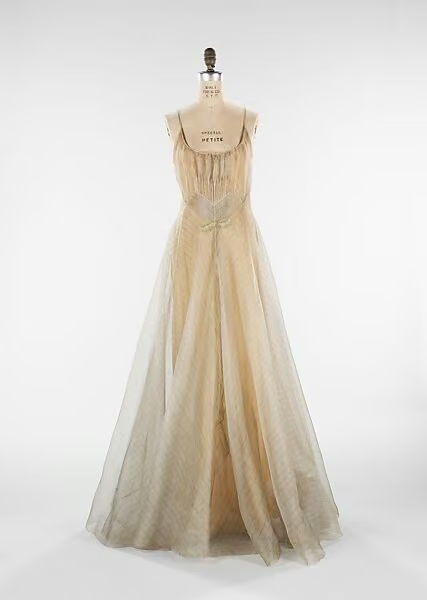
Elizabeth Hawes · 1938
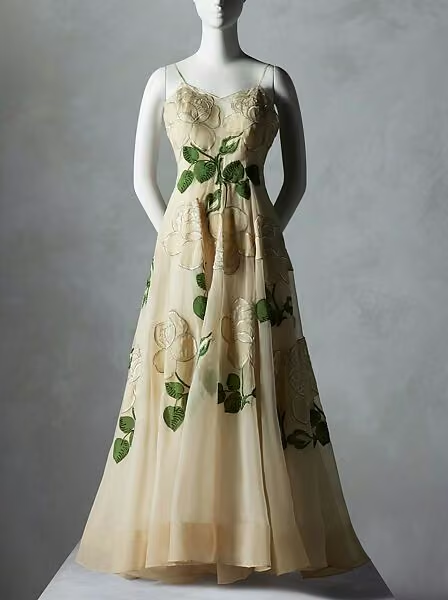
Lucien Lelong · spring/summer 1938
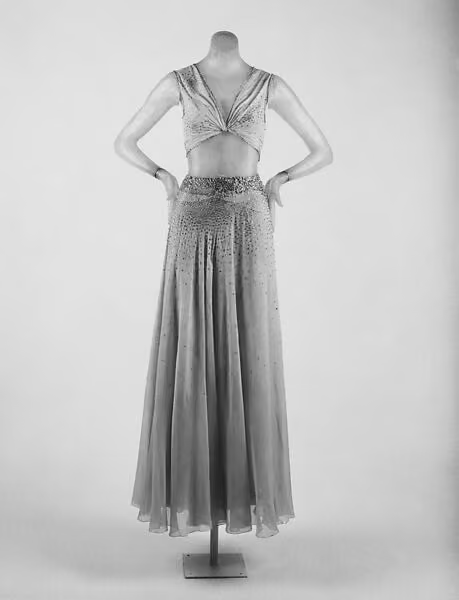
Spring/Summer 1932
Used bias cutting and precise geometry to create fluid gowns that moved with the body.
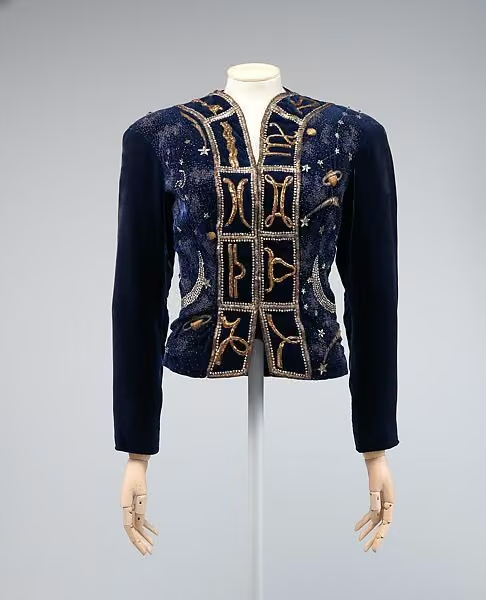
summer 1937
Turned collaborations with Dalí and Cocteau into Surrealist garments, unexpected imagery and visual illusions.
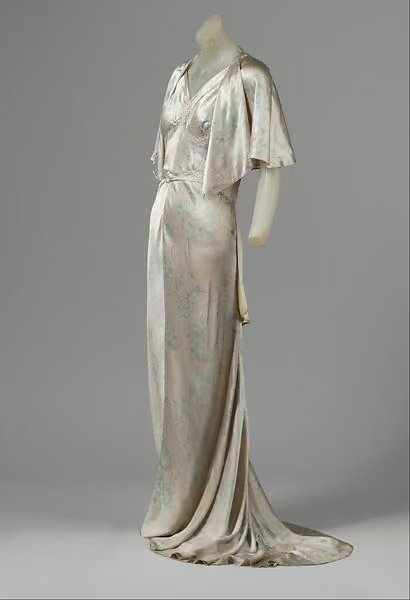
ca. 1931
Helped define refined early-1930s evening dress through long, softly draped silhouettes and adaptable capes.
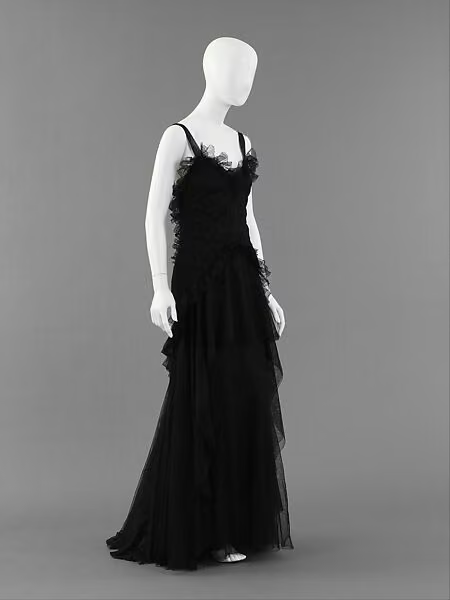
early 1930s
Directed couture that ranged from narrow evening lines to full skirts with elaborate floral appliqué.
ca. 1932
Made drape and asymmetry the focus of minimally ornamented silk evening dresses.
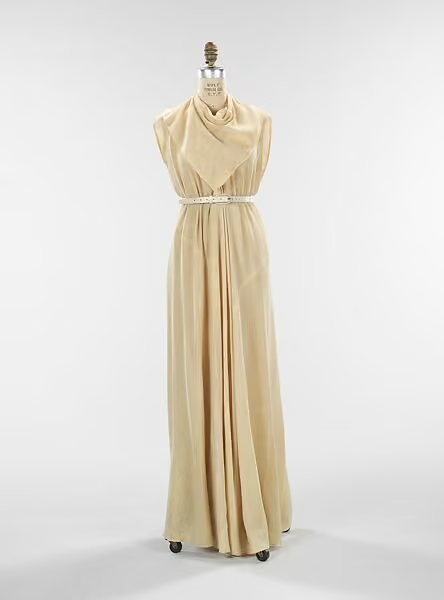
ca. 1935
Joined comfort and inventive construction in adjustable evening dresses, unusual fabrics and subtle optical effects.
mid-1930s
Balanced fluid, ruffled evening dresses with belted wool suits and clearly organized tailoring.
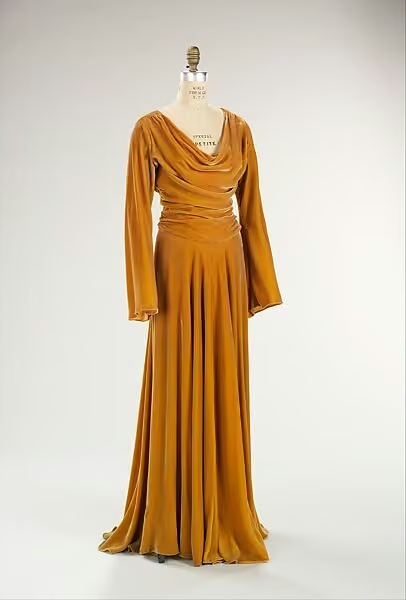
1939
Applied precise bias drapery to stage and evening dress, including Katharine Cornell’s 1939 gown.
Longer skirts and a return to the natural waist changed the fashionable silhouette in the 1930s. Evening gowns often followed the body, with bias cutting helping fabric fall in soft, fluid lines. Hollywood films and their stars spread glamorous fashions to large audiences, while Paris couture continued to shape evening dress. Daytime clothes commonly had defined waists and increasingly prominent shoulders. Elsa Schiaparelli’s collaborations with artists offered a different kind of visibility, using visual illusion and unexpected imagery.
Film stars and screen costumes brought fashionable silhouettes to audiences far beyond couture clients.
Cutting fabric diagonally across its grain helped create the decade’s flowing, body-skimming evening dresses.
Schiaparelli worked with Cocteau and Dalí on garments and accessories that turned visual illusion into fashion.
Designers active in this decade. Available garment examples may come from another period; their dates are labeled.
Refined Paris couture and award-winning costume design.
Marimekko co-founder, textile artist and creative leader
Drape with minimal ornament
Dress as geometry and sculpture
Ease as elegance
Modern taste and classical drapery
Comfort, construction and quiet wit
Fashion as a visual question
A founding woman of organized Italian couture
Modern art, Hollywood and precise cutting
Graphic textile patterns · Stylised foliage · Fashion illustration
American formality with intricate surfaces
An influential couture house led by successive generations of designers.
From modern simplicity to fluid eveningwear
Artistic dress for life at home
A founding woman of organized Italian couture
Couture shaped through creative direction
Structure made from continuous folds
The geometry of drape
Paris couture in wool, silk and drape
Considered elegance for individual clients
Ruffles, proportion and tailored line
Feathers and fluid evening dress
High-end American ready-to-wear with precise tailoring.
Watercolor sketches translated into fashion
American eveningwear and graphic invention
A Paris house of feminine couture
Formal silk and a defined waist
Tailored restraint and postwar contrast
Sculptural heels and couture footwear
Shoes as experiments in form and material
Complex construction with apparent simplicity