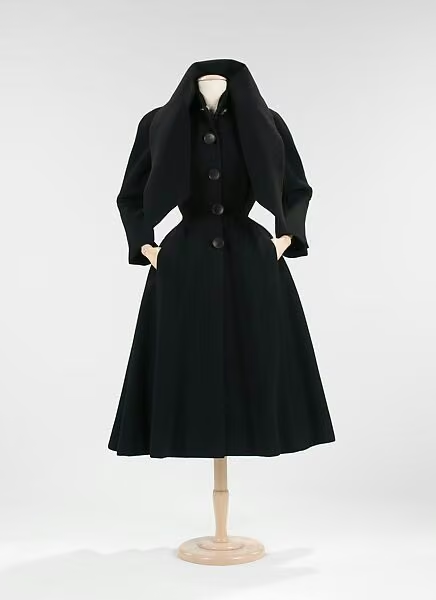
New-York
Christian Dior · fall/winter 1950–51
The hourglass silhouette continued well beyond Dior’s debut. Later coats and dresses show designers adapting its proportions to different materials, construction and occasions.
Christian Dior · fall/winter 1950–51
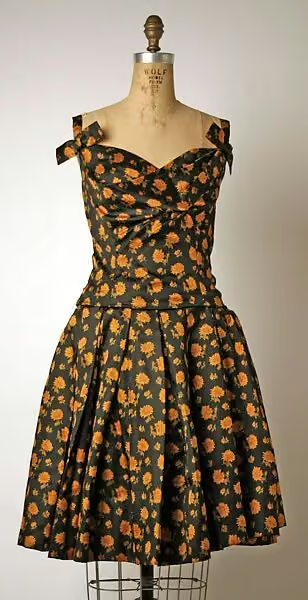
Christian Dior · Spring/Summer 1955
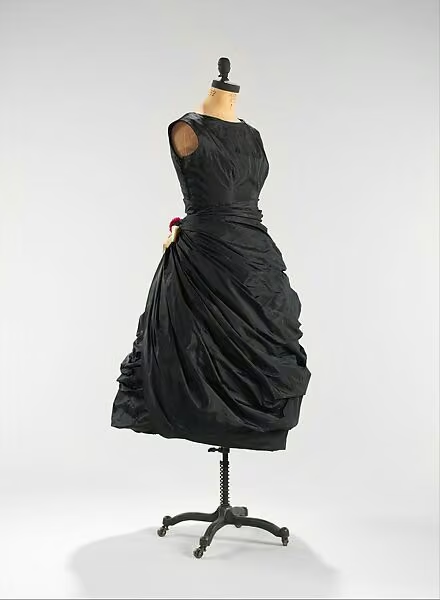
Cristóbal Balenciaga · spring/summer 1956
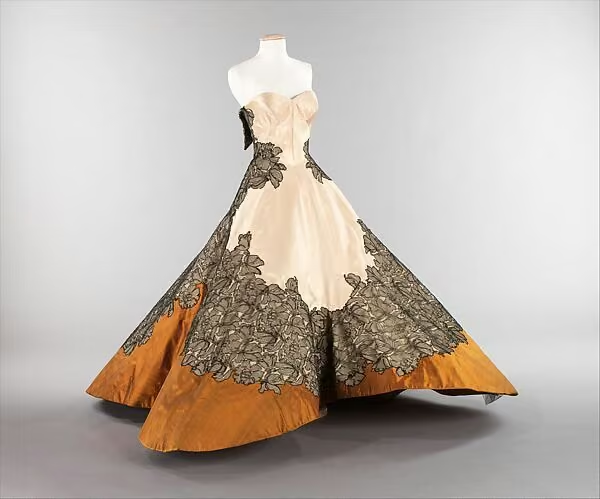
Charles James · 1953
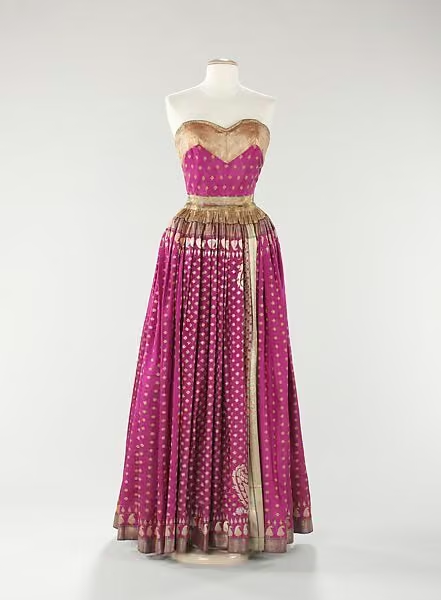
Mainbocher · 1950
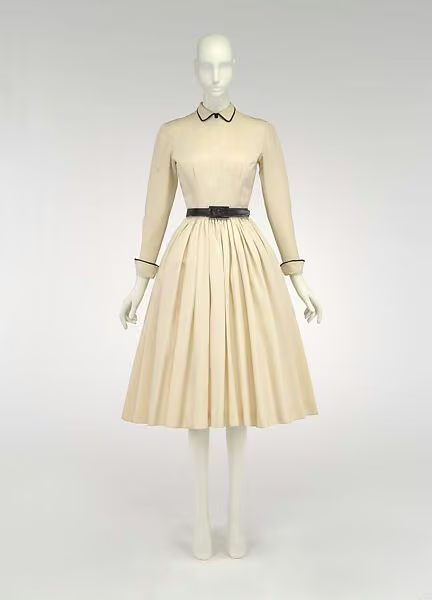
Anne Fogarty · holiday 1950–51
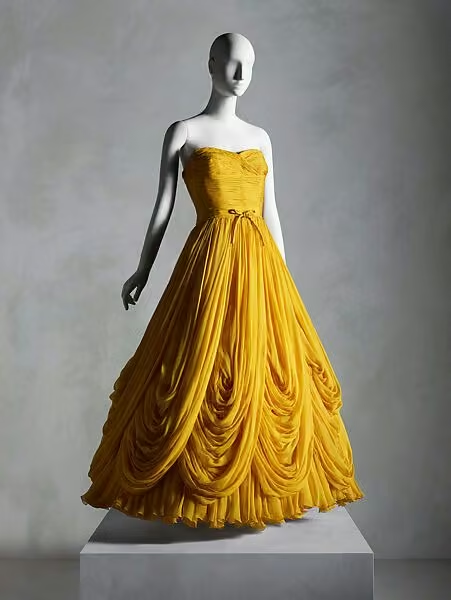
Jean Dessès · fall/winter 1953–54
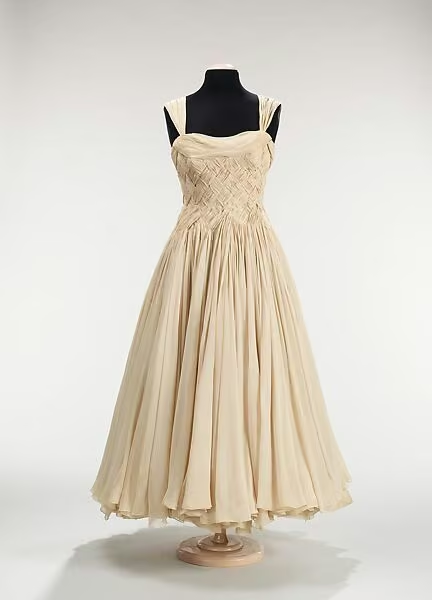
Jean Dessès · ca. 1955
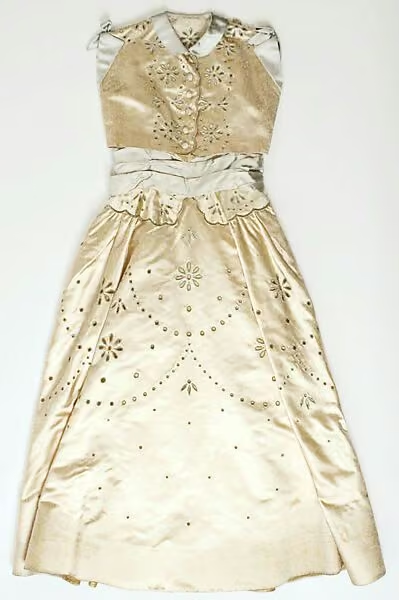
Norman Hartnell · 1950
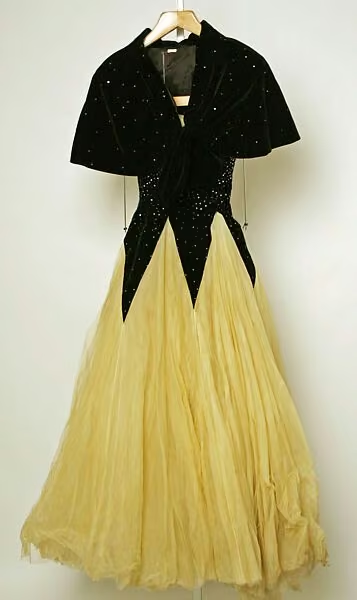
Robert Piguet · ca. 1951
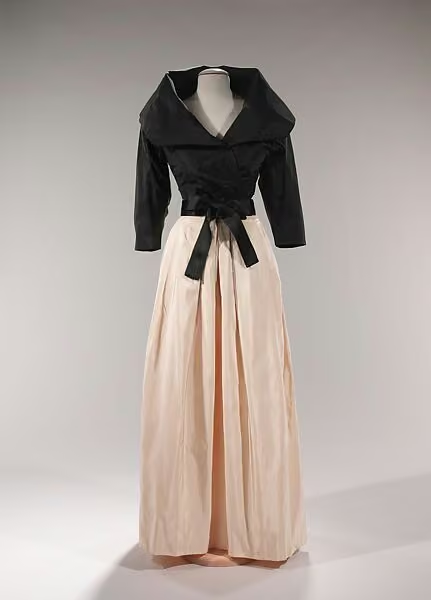
Valentina · ca. 1954
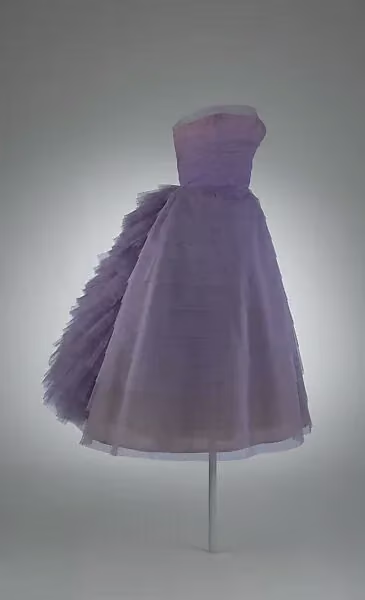
Antonio Castillo · 1956
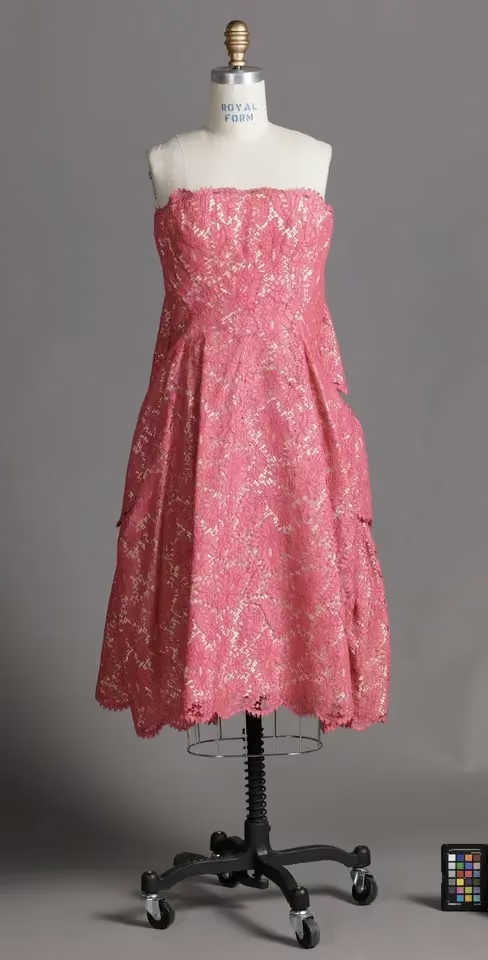
Michel Goma · c. 1959
The New Look continued to shape 1950s dress through a defined waist, shaped hips and generous skirts, often supported from within. These later examples show adaptations of the proportions associated with Dior’s 1947 debut, rather than one unchanged collection. His New-York coat carries the line into outerwear; other designers explored different skirt volumes, fabrics and decoration. A shared silhouette does not make these garments identical in construction, price or occasion.
A new silhouette for couture
Sculpting the space around the body
Dress as geometry and sculpture
Considered elegance for individual clients
Varied proportions within a fitted silhouette
Pleats, gathers and sheer silk
Formal silk and a defined waist
Tailored restraint and postwar contrast
Complex construction with apparent simplicity
Refined Paris couture and award-winning costume design.
French couture expertise carried into modern ready-to-wear.