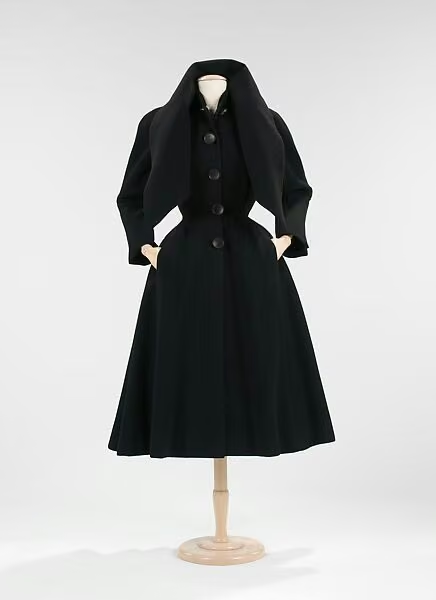
New Look
Defined waist · Fuller skirt · Shaped hips and soft shoulders
Suits, sack dresses, Teddy boys
The fitted hourglass shared the decade with soft suits and dresses that released the waist. Youth style added another source of influence to the changing designer silhouette.
Defined waist · Fuller skirt · Shaped hips and soft shoulders
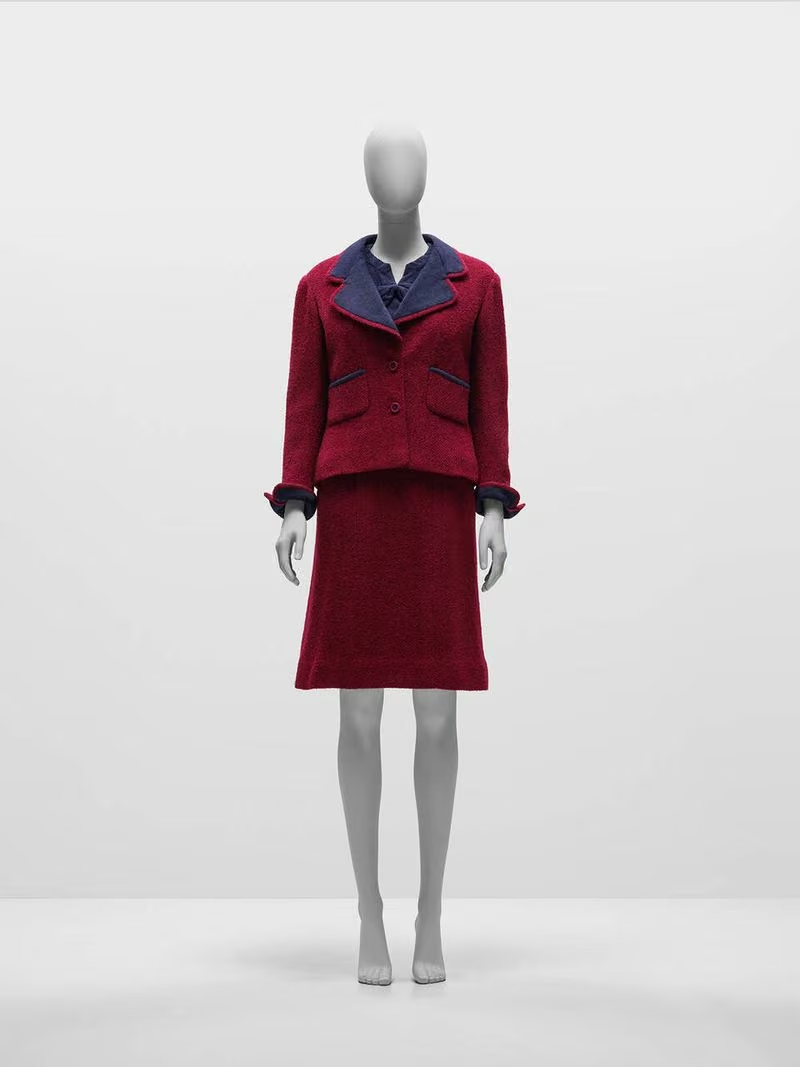
Softly structured jacket · Matching skirt · Tweed and neat trim
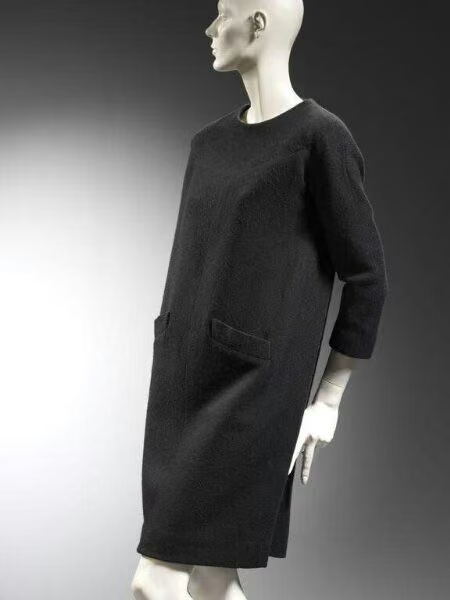
Unfitted waist · Shape suspended from shoulders · Simple outer line
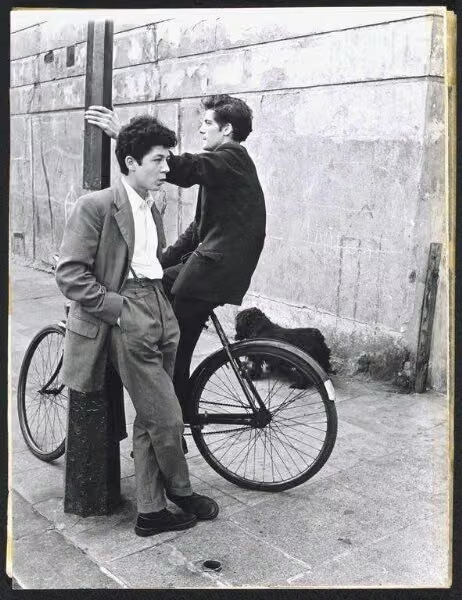
Long tailored jackets with velvet collars · Narrow trousers · Greased quiffs
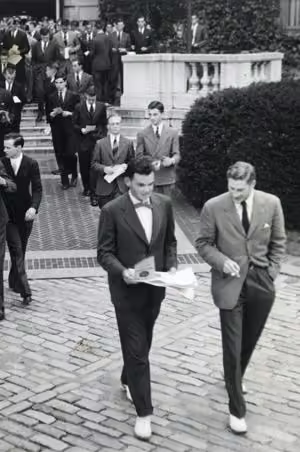
Natural-shouldered jackets · Button-down shirts · Chinos and loafers
Selected examples dated to this decade.
Christian Dior · fall/winter 1950–51
Gabrielle Chanel · ca. 1956
Cristóbal Balenciaga · 1957–1958
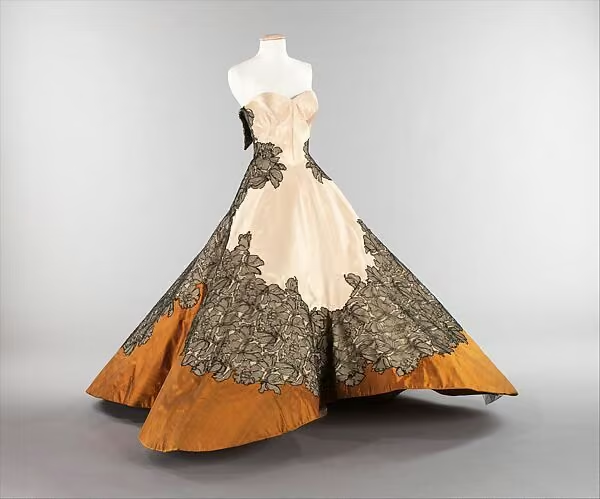
Charles James · 1953
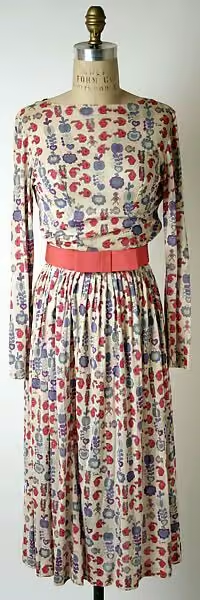
Emilio Pucci · 1950s
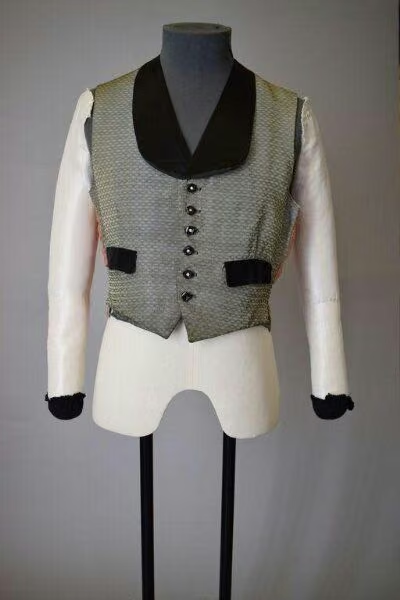
Unknown maker · mid 1950s
Photo: © Victoria and Albert Museum, London
fall/winter 1950–51
Carried the New Look into the decade through sculpted coats and carefully shaped evening dresses.
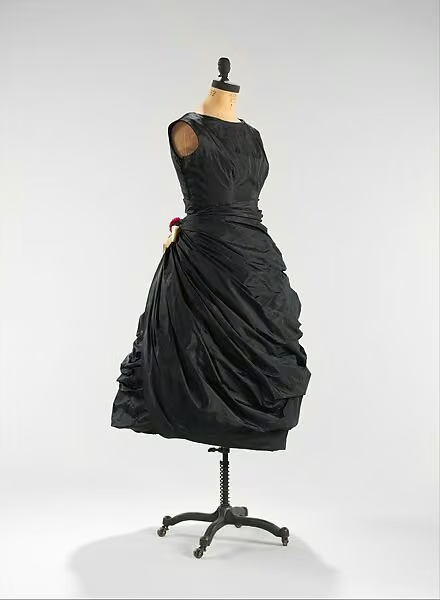
spring/summer 1956
Redefined couture volume, culminating in sack dresses that released the waist from a close fit.
ca. 1956
Renewed her influence with softly tailored tweed suits designed for ease and practical movement.
1953
Engineered sculptural ball gowns through complex seaming, geometric skirts and carefully constructed understructures.
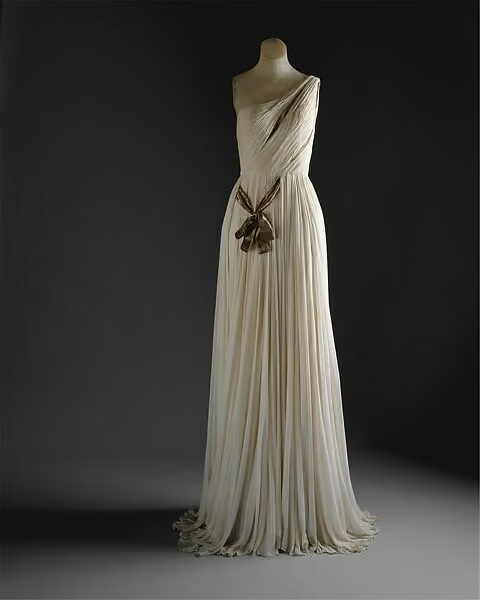
fall/winter 1954–55
Turned pleated silk jersey into sculptural gowns that preserved the fabric’s fluidity.
1950s
Built a recognizable Italian style around printed silk, color and clearly organized dress shapes.
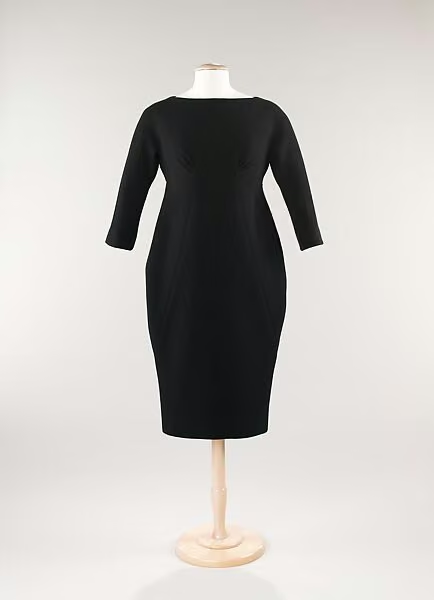
1959
Applied meticulous couture construction to American ready-to-wear, including precisely shaped wool sheaths.
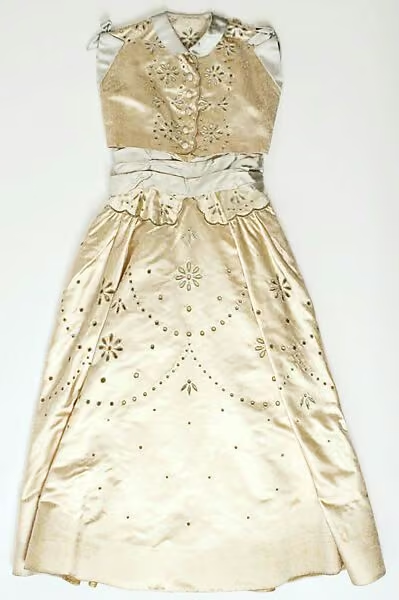
1950
Created opulent British formalwear, including Elizabeth II’s embroidered 1953 coronation gown.
The New Look’s fitted waist and full skirt remained influential in the early 1950s, extending from couture into everyday dresses. Other choices became increasingly visible: Chanel’s return renewed softly tailored suits, while Balenciaga’s sack dress removed the tight waist altogether. At the same time, young people were shaping fashion through their own tastes and spending. British Teddy boys adapted New Edwardian tailoring into a distinctive street style, with long jackets, narrow trousers and quiffs. The decade brought both new silhouettes from established houses and a growing influence from youth culture.
The small waist and fuller skirt appeared across couture, ready-to-wear and everyday dress.
Chanel reopened her couture house and again made comfortable, practical suits central to her work.
Balenciaga’s elimination of the fitted waist challenged the dominant silhouette and helped prepare the way for looser 1960s shapes.
Young working-class men in Britain adapted New Edwardian tailoring into a recognizable street style with velvet-collared jackets, narrow trousers and quiffs.
Designers active in this decade. Available garment examples may come from another period; their dates are labeled.
Wearable elegance shaped directly in fabric
From millinery to society dressing
A founding figure of organized Italian couture
A tradition of fine dressmaking
Varied proportions within a fitted silhouette
Refined Paris couture and award-winning costume design.
Marimekko co-founder, textile artist and creative leader
Useful details become the design
Draped glamour for the cocktail hour
Dress as geometry and sculpture
A new silhouette for couture
Design for everyday life
Ease as elegance
Sculpting the space around the body
Handwoven wool · Vivid tweeds · Woven skirts
The expressive printed surface
A founding figure of organized Italian couture
Danish craftsmanship at the heart of Paris couture.
Chloé and luxury ready-to-wear
The designer who carried the Fath couture house through 1957.
A founding woman of organized Italian couture
Graphic textile patterns · Stylised foliage · Fashion illustration
Playful colour · Youthful tailoring · Unexpected material combinations
Couture shaped for movement and ease
From patterned dresses to leather trousers
Royal couture · Formal dressmaking · Silk occasionwear
An influential couture house led by successive generations of designers.
A spare shape beneath rich surfaces
An aristocratic amateur who became a couturier
Tailoring for the California wardrobe
Playful French fashion, checks and experiments in unisex dress.
The waist and the sculptural neckline
The expressive possibilities of draping
Coordinated dressing across occasions
Ready-to-wear, precisely made
Pleats, gathers and sheer silk
A founding woman of organized Italian couture
Royal wedding dresses · Traditional couture · Fine-fabric tailoring
Ribbed cotton knitwear · Everyday basics · Youthful ready-to-wear
Soft construction at Nina Ricci and Lanvin
Fashion and Ghana's post-independence cultural identity
Easy-care jersey · Straight silhouettes · Artist-designed prints
Inventive Italian ready-to-wear, knitwear and pleated surfaces.
Colorful separates designed for working women.
Midcentury elegance
Couture designed for petite women
Structure made from continuous folds
A painter’s eye for pattern and color
Considered elegance for individual clients
Poised couture with a slender, wearable line.
A founding woman of organized Italian couture
High-end American ready-to-wear with precise tailoring.
French couture expertise carried into modern ready-to-wear.
The Fontana sisters and Rome’s couture industry
Clean silhouettes and textiles designed to hold their own shape.
A Paris house of feminine couture
Formal silk and a defined waist
Refinement in ready-to-wear
A cinematic eye for American dressing
Luxurious custom eveningwear before a celebrated career in interiors.
Clear shapes and tactile ornament
Postwar form and embroidered detail
Geometry across the modern wardrobe
Individual dressmaking · Atelier fashion
Tailored restraint and postwar contrast
Italian couture as an artistic practice
Sculptural heels and couture footwear
Shoes as experiments in form and material
Postwar Roman couture and American clients
Irish textiles transformed into couture
Clothing without a recorded attribution
Norwegian pattern knitting · Hand-knitted couture · Wool blanket coats
Complex construction with apparent simplicity
Roman couture after a Paris apprenticeship
Practical clothing and coordinated color
Large graphic prints · Minimal-seam construction · Loose silhouettes
Tailored glamour and a path for Black designers