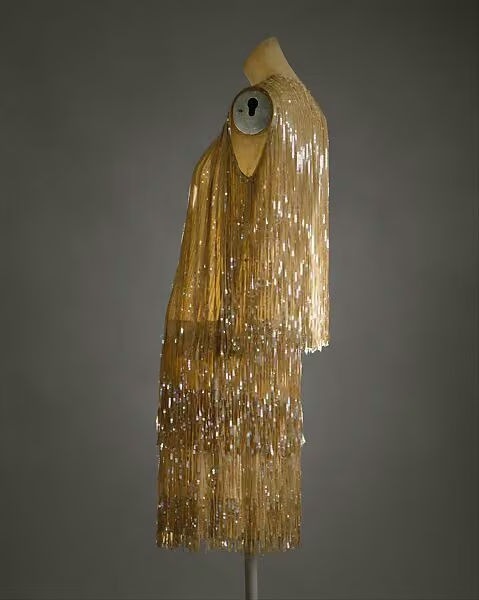
Flapper
Dropped waist · Straight silhouette · Shorter skirts
Flapper, sportswear, robe de style
Movement reshaped dress, from the loosened evening silhouette to practical knitted separates. Wide-skirted alternatives show how much variety existed beside the familiar flapper image.
Dropped waist · Straight silhouette · Shorter skirts
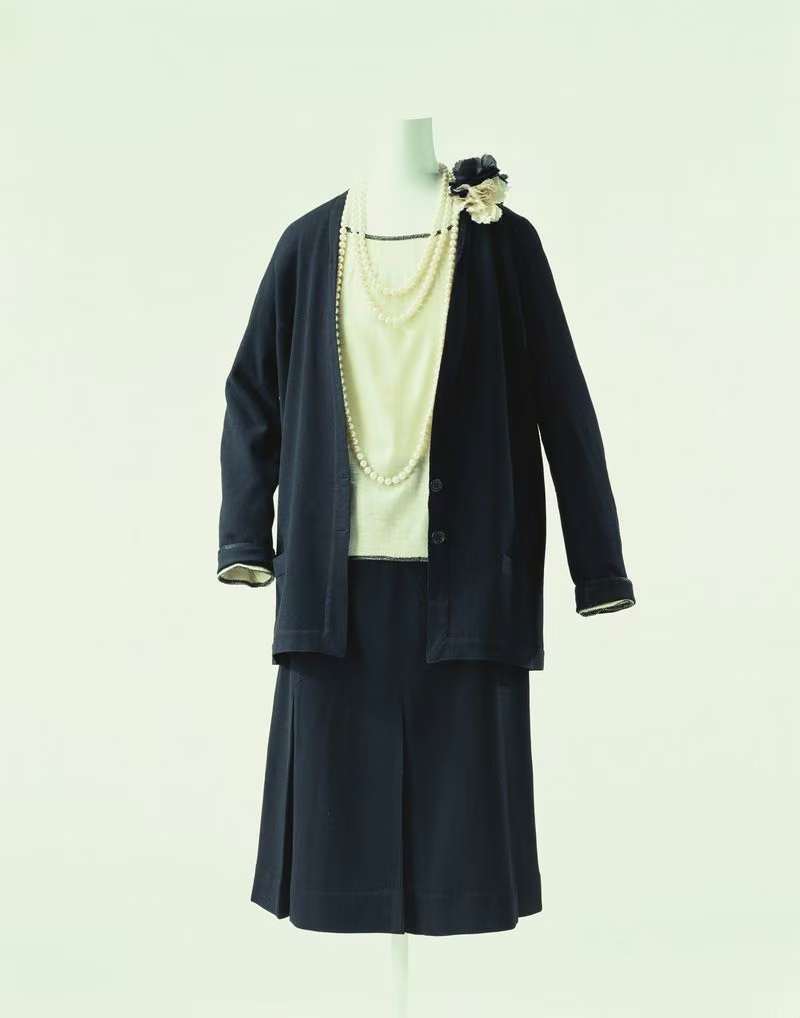
Easy movement · Knitted fabrics · Coordinated separates
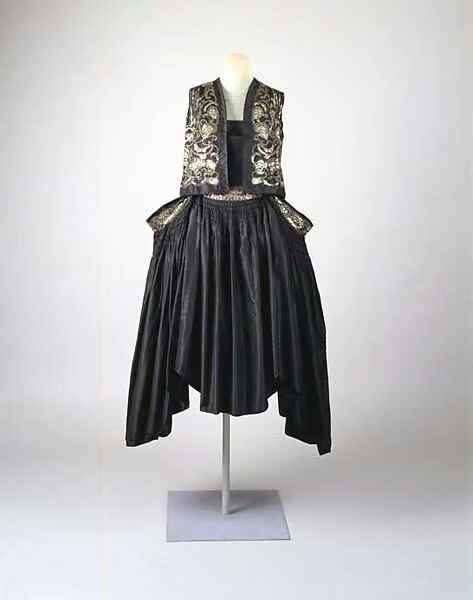
Low waist · Wide skirt · Historical references
Selected examples dated to this decade.
Gabrielle Chanel · c. 1928
Edward Molyneux · 1926–27
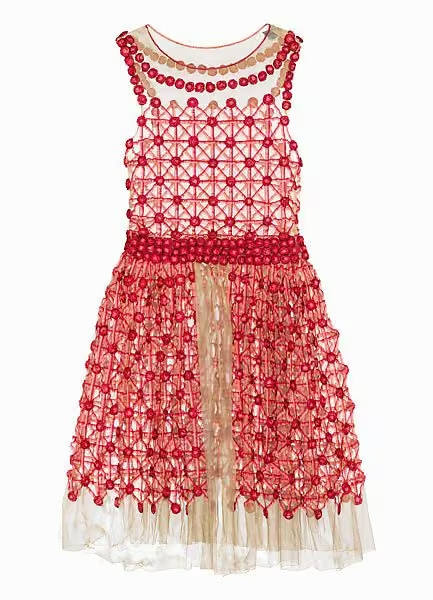
Jeanne Lanvin · spring/summer 1923
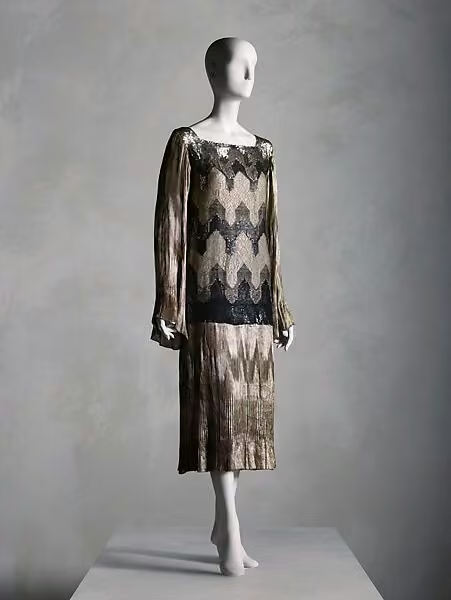
Paul Poiret · 1925
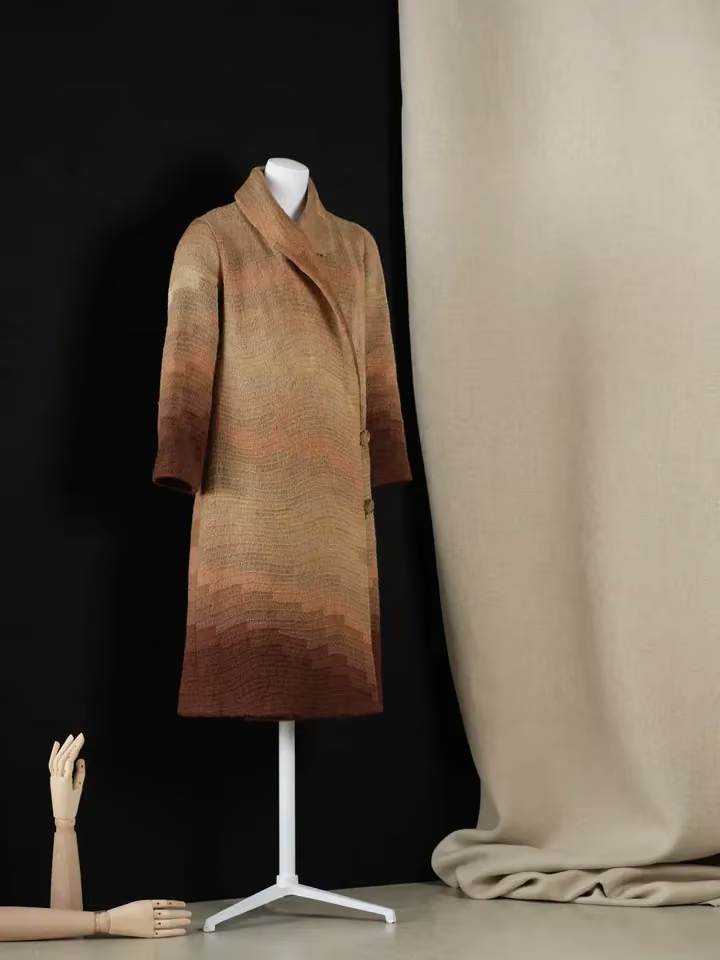
Sonia Delaunay · 1924
Museum photograph
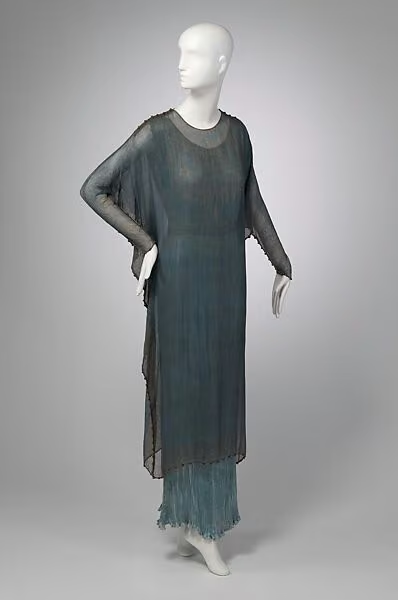
Mariano Fortuny · ca. 1920
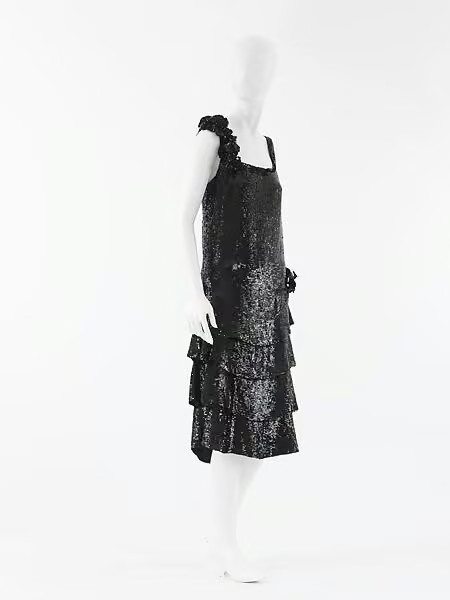
1925
Made simple silhouettes, jersey and coordinated sportswear central to a modern luxury wardrobe.
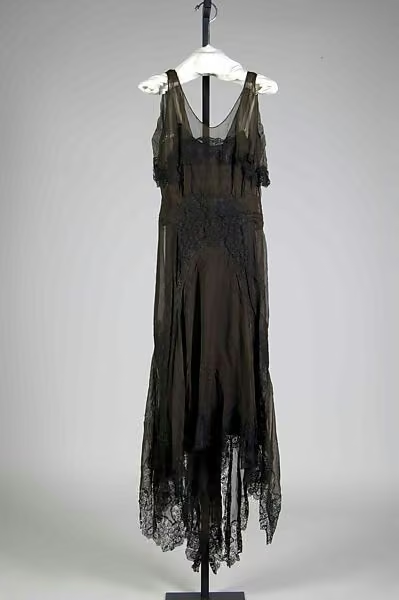
1928–30
Helped establish sporty elegance through jersey separates, tennis clothes and shorter daytime and evening skirts.
spring/summer 1923
Established the robe de style as a full-skirted alternative to the straight flapper dress.
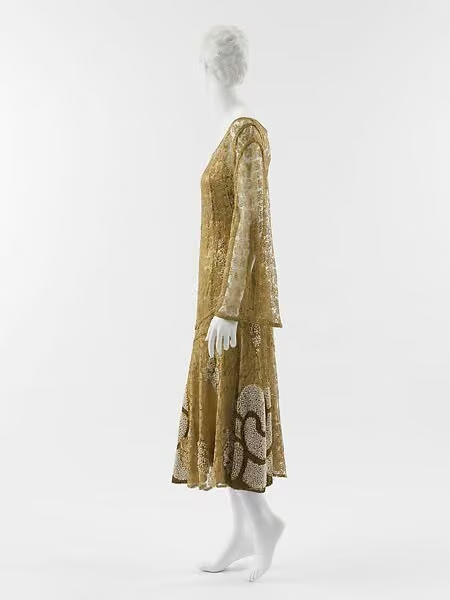
ca. 1925
Combined theatrical sleeves, rich color and specialist ornament within the decade’s increasingly columnar evening silhouette.
1926–27
Brought couture refinement to flapper dresses through vertical sequins and moving layers of georgette.
1924
Translated abstract color relationships and geometric pattern into embroidered coats and printed textiles.
ca. 1920
Offered finely pleated Delphos gowns, developed with Henriette Nigrin Fortuny, alongside the decade’s changing silhouettes.
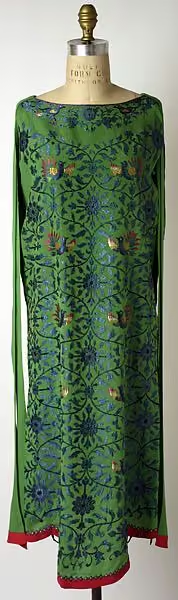
1925–26
Paired straight 1920s silhouettes with richly worked surfaces and luxurious silk.
Fashion in the 1920s favored greater freedom of movement, with straight dresses, lower waistlines and shorter skirts becoming familiar features of women’s wardrobes. The flapper became its most recognizable figure, although hemlines and proportions changed throughout the decade. Sport also reshaped daily dress: jersey sweaters, cardigan ensembles and tennis clothes helped make informal clothing fashionable. Jeanne Lanvin’s robe de style offered a well-established alternative for evening, using a wide skirt beneath a low waist.
Tennis and other outdoor activities helped make practical clothes and knitted separates fashionable away from the playing field.
The dance’s Broadway success helped associate mobile, low-waisted dresses with modern nightlife.
The Paris decorative arts exposition provides context for geometric decoration across clothing, jewellery and interiors.
Designers active in this decade. Available garment examples may come from another period; their dates are labeled.
Drape with minimal ornament
Four sisters and richly worked couture
Ease as elegance
Modern taste and classical drapery
Fashion as a visual question
Art Deco fantasy in illustration and costume
American formality with intricate surfaces
An influential couture house led by successive generations of designers.
A couture dynasty adapting to modernity
Couture and the artistic avant-garde
From modern simplicity to fluid eveningwear
Romance in proportion
Paris couture with an independent signature
A pioneering Paris couturière and a continuing couture house.
Couture shaped through creative direction
Romantic couture and an early international fashion business.
The geometry of drape
Paris couture in wool, silk and drape
Pleated silk and Venetian invention
Feathers and fluid evening dress
High-end American ready-to-wear with precise tailoring.
American eveningwear and graphic invention
Artistic Paris and inventive dressmaking
Formal silk and a defined waist
Color, ornament and theatrical proportion
Shoes as experiments in form and material
Color in motion, from canvas to clothing