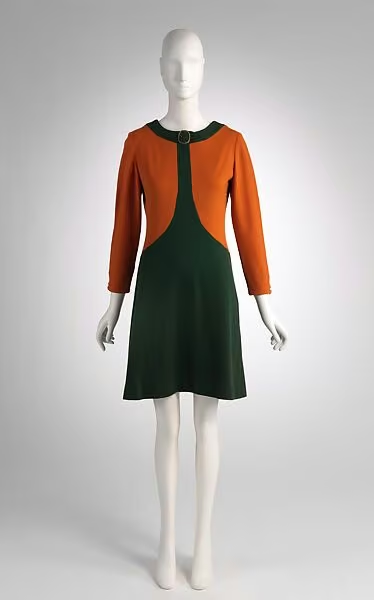
Mod
Short, simple silhouettes · Graphic colour and contrast · Slim, clean lines
Hippie, mod, space age
Boutiques, music and young wearers helped redirect fashion. Graphic clothes, technological experiments and personal countercultural combinations offered competing visions of modern life.
Short, simple silhouettes · Graphic colour and contrast · Slim, clean lines
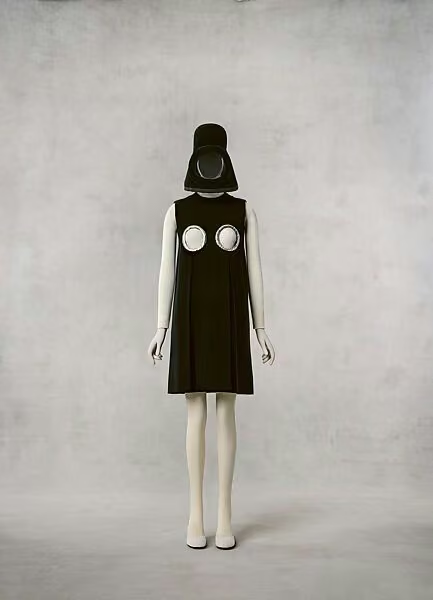
Geometric construction · Futuristic accessories · White, silver and modern materials
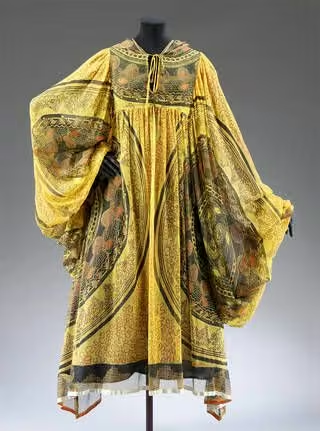
Loose, flowing shapes · Handmade and vintage influences · Richly patterned textiles
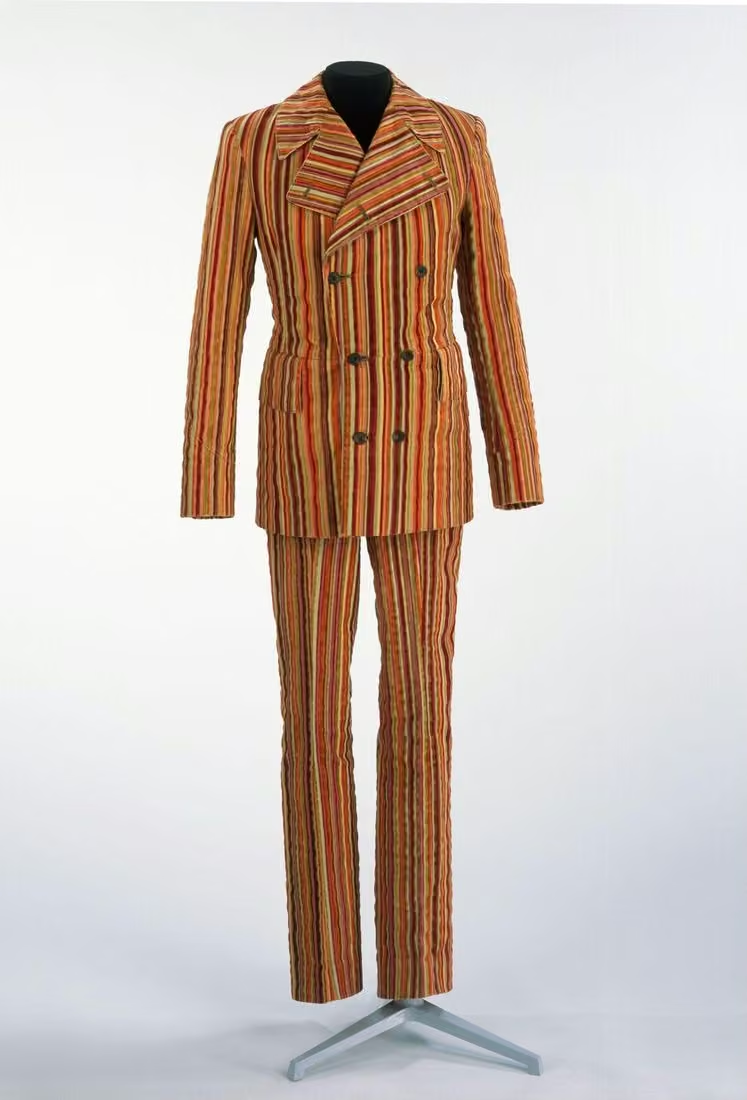
Vivid prints and rich textures · Decorative shirts and ties · Expressive men’s tailoring
Selected examples dated to this decade.
Mary Quant · ca. 1966
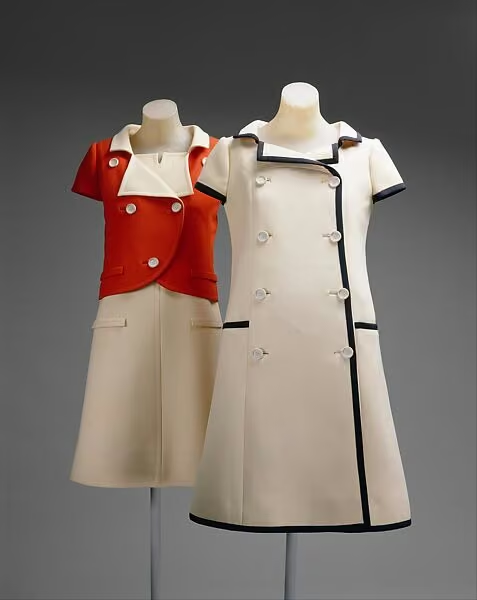
André Courrèges · 1965
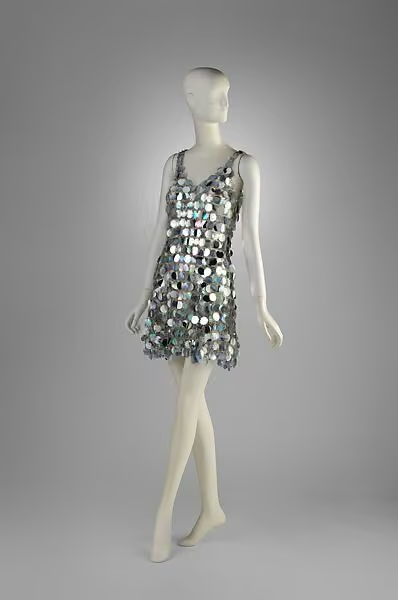
Paco Rabanne · ca. 1966
Pierre Cardin · 1967
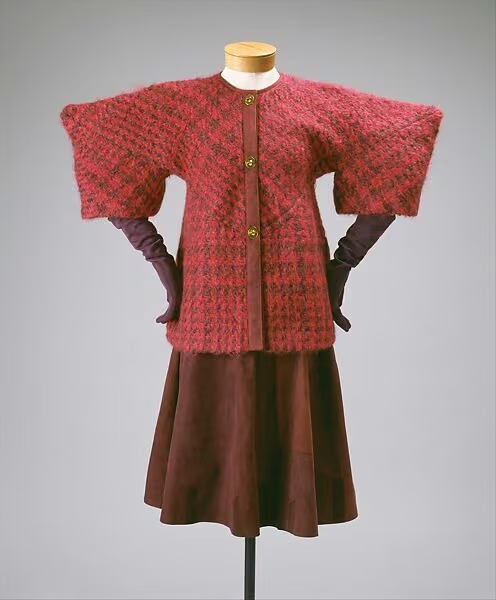
Bonnie Cashin · fall/winter 1964–65
Zandra Rhodes · 1969
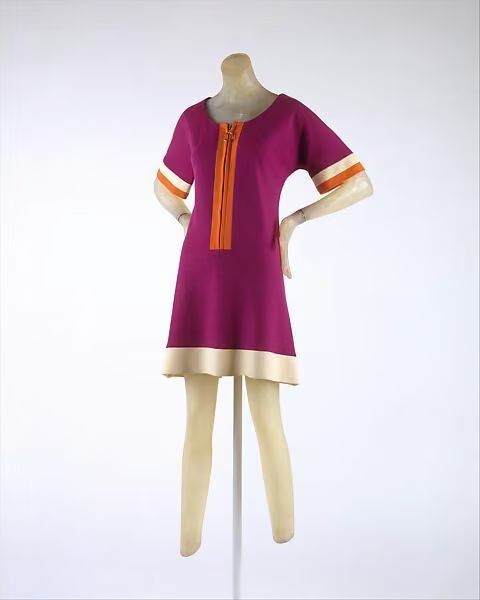
1966–67
Popularized short, graphic ready-to-wear that offered young women an alternative to formal adult wardrobes.
1965
Made crisp geometry, brief hemlines and futuristic styling central to the Space Age wardrobe.
ca. 1966
Assembled dresses from plastic discs and metal rings, challenging the materials and methods of conventional dressmaking.
1967
Used circles, cutouts and coordinated accessories to give futuristic fashion a distinctive geometric language.
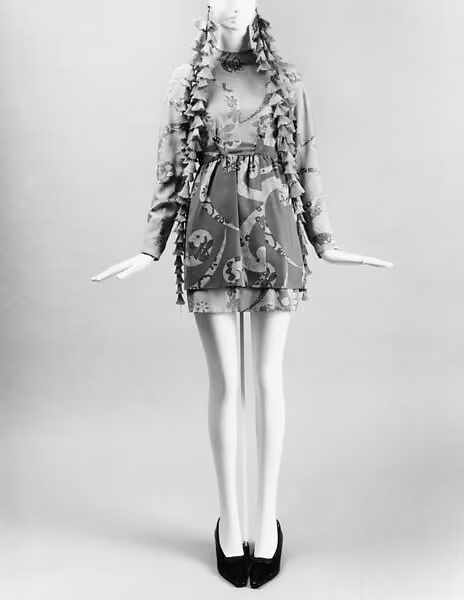
1967
Experimented with bold patterns, abbreviated silhouettes and accessories that extended a design across the whole outfit.
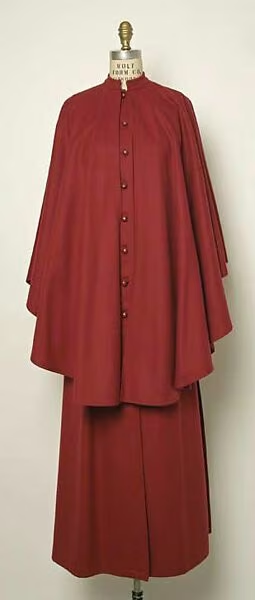
late 1960s
Connected couture with modern art and women’s tailoring, then widened its reach through Rive Gauche ready-to-wear.
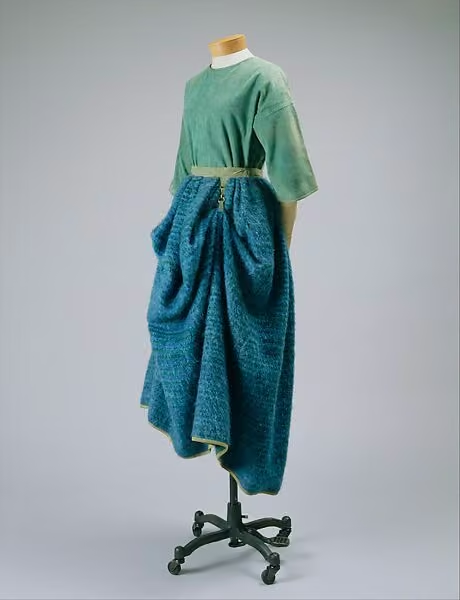
fall/winter 1964–65
Combined leather, wool and practical hardware in adaptable layers for a mobile, modern wardrobe.
1969
Turned expressive textile drawings into loose silhouettes, anticipating the romantic dressing of the following decade.
Fashion authority shifted toward young consumers, musicians and the people shopping in new boutiques. Mod made a sharply graphic, youthful appearance internationally recognizable, while Space Age designers used geometry and unfamiliar materials to imagine the future. Late in the decade, hippie dress favoured loose shapes, secondhand finds and textiles drawn from many cultures. Together, they show how ideas increasingly travelled from youth culture into the fashion industry, changing both the clothes people wore and who could influence them.
Boutiques, pop music and a growing youth market spread short skirts and graphic clothing internationally.
Space exploration encouraged geometric clothes, new materials and futuristic accessories.
The hippie movement brought secondhand clothing, handcraft and loose silhouettes into the fashion conversation.
Designers active in this decade. Available garment examples may come from another period; their dates are labeled.
From millinery to society dressing
A founding figure of organized Italian couture
Dressing for an imagined future
Footwear as the focal point of a fashion silhouette
Draped eveningwear between Rome and Paris
A tradition of fine dressmaking
An earlier chapter of Belgian fashion
The versatility of separates
Even-striped jersey · Large-scale prints · Practical unisex clothing
Refined Paris couture and award-winning costume design.
Marimekko co-founder, textile artist and creative leader
Biba and the possibilities of youth fashion
Youthful and individual
Pattern with polish
Useful details become the design
Building a lasting Australian fashion institution
Bògòlanfini on a global stage
Ease as elegance
Sculpting the space around the body
From fashion to the stage
Handwoven wool · Vivid tweeds · Woven skirts
Sculpted Savile Row tailoring with expressive shoulders and lapels.
Color, pattern and the sculpted body
The expressive printed surface
A founding figure of organized Italian couture
Ready-to-wear for a changing generation
Danish craftsmanship at the heart of Paris couture.
Lively graphics for London’s youth revolution
Chloé and luxury ready-to-wear
Geometry that moves
Graphic textile patterns · Stylised foliage · Fashion illustration
Playful colour · Youthful tailoring · Unexpected material combinations
Couture shaped for movement and ease
Fluid Parisian clothes and precise ready-to-wear
Luxury through reduction
From patterned dresses to leather trousers
A six-decade dialogue between fashion and visual art
Royal couture · Formal dressmaking · Silk occasionwear
A spare shape beneath rich surfaces
An aristocratic amateur who became a couturier
Playful French fashion, checks and experiments in unisex dress.
Coordinated dressing across occasions
Ready-to-wear, precisely made
Line, fit and quiet detail
A founding woman of organized Italian couture
Royal wedding dresses · Traditional couture · Fine-fabric tailoring
Ribbed cotton knitwear · Everyday basics · Youthful ready-to-wear
Fashion and Ghana's post-independence cultural identity
Five decades of Japanese elegance and couture technique
Easy-care jersey · Straight silhouettes · Artist-designed prints
Joyful flowers and unexpected color
Inventive Italian ready-to-wear, knitwear and pleated surfaces.
Cashmere and the international rise of Italian fashion
Color in everyday clothes
Colorful separates designed for working women.
Coordinated American sportswear with a tailored foundation.
Graphic color in French couture
Midcentury elegance
A painter’s eye for pattern and color
Poised couture with a slender, wearable line.
Youthful clean lines · Concise silhouettes · Graphic wardrobe design
A founding woman of organized Italian couture
Playful proportions for a new generation
Expressive shirts, wide ties and the Peacock Revolution.
An illustrator’s colour in expressive fashion
French couture expertise carried into modern ready-to-wear.
Clean silhouettes and textiles designed to hold their own shape.
Moroccan couture's pioneering generation
Relaxed tailoring rooted in textile knowledge
Refinement in ready-to-wear
A considered silhouette
Pattern meets form
Fashion assembled from unconventional materials
Clear shapes and tactile ornament
Graphic knit patterns · Sporty couture · Contrasting colors
Geometry across the modern wardrobe
Individual dressmaking · Atelier fashion
Roman couture and the transition to ready-to-wear
Pattern and coordinated experimentation
Nigerian textiles for modern lives
Unisex clothing · Pattern cutting
A milliner represented in the V&A collection
Postwar Roman couture and American clients
Knitwear as a modern Paris wardrobe
Color in motion
British-inspired tailoring · Subcultural menswear · Expressive styling
Unisex ideas and accessible tailoring
Luxurious fabric and bohemian dressing
Roman couture after a Paris apprenticeship
Paris couture, film costumes and Elizabeth Taylor
Large graphic prints · Minimal-seam construction · Loose silhouettes
Transforming Japanese bridal fashion through textile innovation
A dialogue between art and life
The print shapes the dress