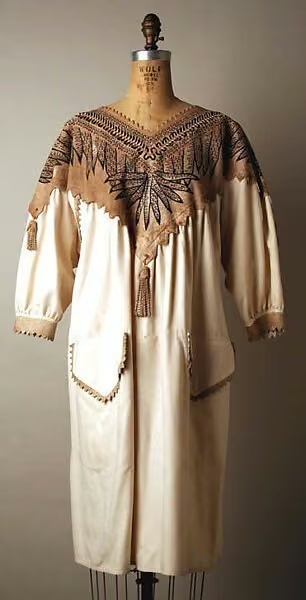
Hippie
Long, loose silhouettes · Embroidery, crochet and fringe · Layered prints and textures
Dance-floor glamour, punk rebellion and the versatile wardrobe
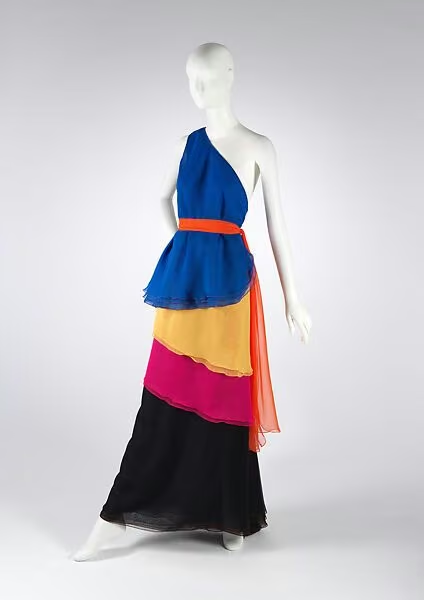
Dance floors, counterculture and everyday routines called for different clothes. Designers and wearers crossed between expressive surfaces, confrontation and practical combinations.
Long, loose silhouettes · Embroidery, crochet and fringe · Layered prints and textures
Fluid, mobile fabrics · Draped or asymmetric necklines · Shine and expressive colour
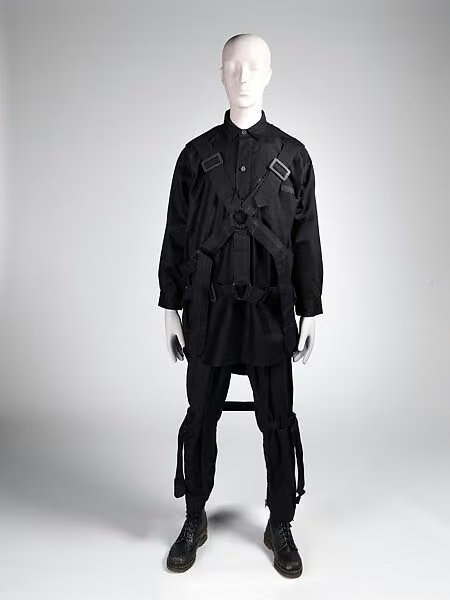
Rips and deliberate damage · Straps, zips and metal hardware · Provocative graphic statements
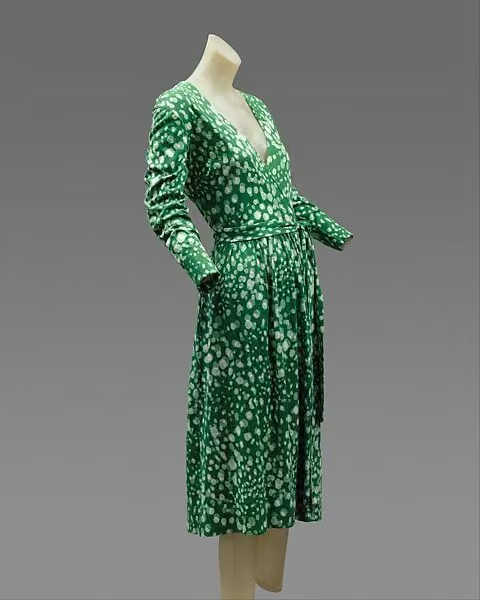
Adaptable separates · Easy movement and simple closures · Wrap dresses and fluid tailoring
Selected examples dated to this decade.
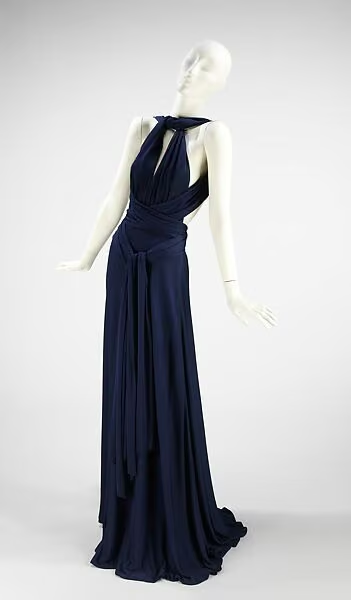
Halston · ca. 1972
Stephen Burrows · ca. 1973
Diane von Furstenberg · 1975–76
Vivienne Westwood · ca. 1977
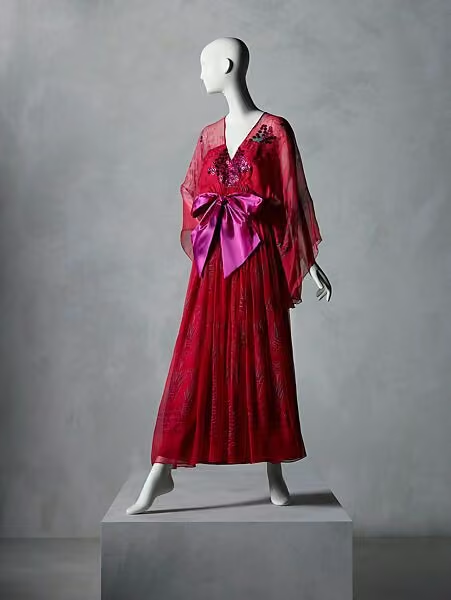
Zandra Rhodes · fall/winter 1972–73
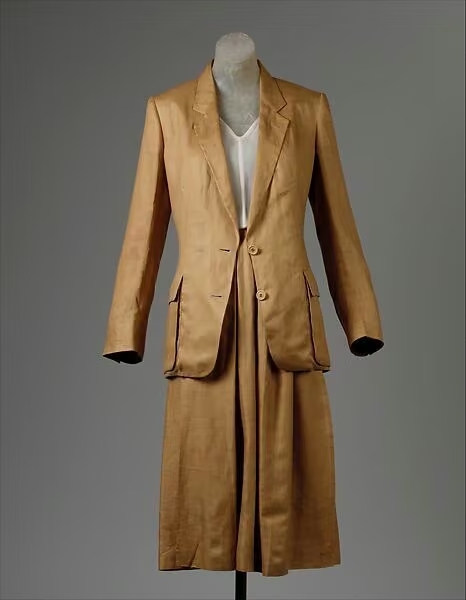
Giorgio Armani · ca. 1979
ca. 1972
Made fluid jersey, reduced forms and easy movement a defining language of American glamour.
ca. 1973
Used vivid color, asymmetry and light layers to create clothes animated by the moving body.
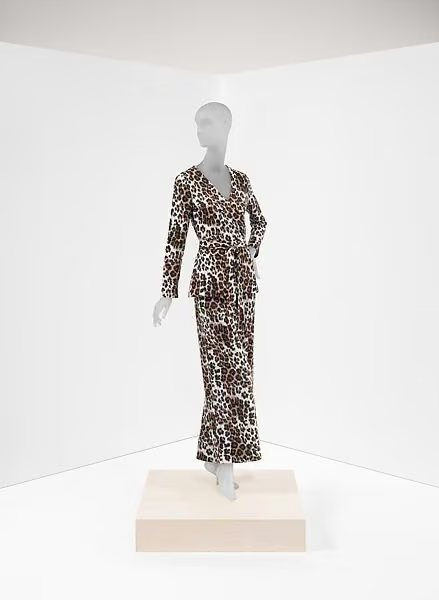
1970s
Renewed the wrap dress through contemporary prints and fabrics, making adaptability central to everyday dressing.
ca. 1977
With Malcolm McLaren, gave British punk a confrontational vocabulary of distressed clothing, hardware and provocative graphics.
fall/winter 1972–73
Let hand-drawn prints, decorative borders and flowing fabric shape a distinctive form of romantic dress.
ca. 1979
Brought softer construction and understated fabrics to tailoring for women as well as men.
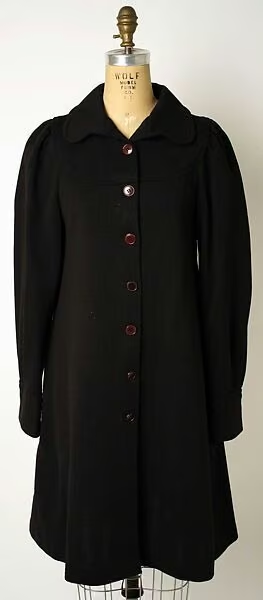
1970s
Introduced generous proportions, Japanese clothing references and playful layering into Paris ready-to-wear.
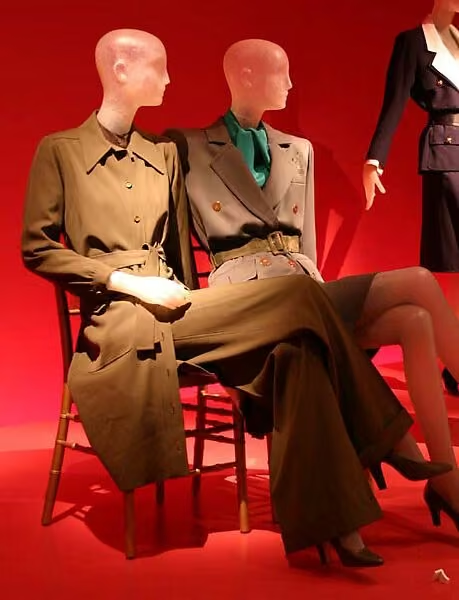
spring/summer 1970
Joined imaginative historical references to a practical wardrobe of trousers, coats and ready-to-wear separates.
Different ways of living produced different ways of dressing in the 1970s. Hippie clothing carried handmade details, historical references and expressive fabrics into the new decade. Disco encouraged clothes that moved with the body and caught attention on the dance floor. Punk turned damage, hardware and deliberate confrontation into a recognizable visual language. Alongside those music and counterculture movements, sportswear made adaptable separates, trousers and wrap dresses important to everyday wardrobes. No single hemline or silhouette ruled throughout the decade, and designers frequently crossed between these ideas as fashion became increasingly varied and informal.
Craft, vintage dress and layered textiles continued to shape both everyday clothes and luxury fashion.
Nightlife gave fluid dresses, jumpsuits and expressive colour an influential social setting.
British punk and the Seditionaries shop helped bring torn fabrics, straps and provocative imagery into fashion.
Designers active in this decade. Available garment examples may come from another period; their dates are labeled.
From millinery to society dressing
Casual tailoring · Snap cardigans · Everyday separates
Classical inspiration in modern fashion
A founding figure of organized Italian couture
Draped eveningwear between Rome and Paris
An earlier chapter of Belgian fashion
Floral romance · Delicate fabrics · Shaped daywear
The versatility of separates
Even-striped jersey · Large-scale prints · Practical unisex clothing
Poppana weaving · Color-blocked textiles · Handwoven coats
Refined Paris couture and award-winning costume design.
Marimekko co-founder, textile artist and creative leader
Precision around the body
Youthful and individual
Experimental cutting · Textured separates · Art-inspired prints
Pattern with polish
Pattern-rich fantasy in British fashion
Dyed cashmere and the craft economy of Solomeo
The expressive power of restraint
Building a lasting Australian fashion institution
The unconstructed leather handbag
A design partnership and the British couture atelier
Bògòlanfini on a global stage
The enduring wrap
A wardrobe that works together
Handwoven wool · Vivid tweeds · Woven skirts
Sculpted Savile Row tailoring with expressive shoulders and lapels.
Pop graphics and a global youth culture
Danish craftsmanship at the heart of Paris couture.
Geometry that moves
Architecture translated into shirts, tailoring and elaborate eveningwear.
Technique meets spectacle
Authority with ease
Wrapping, layering and the freedom of fabric
Five decades of Brazilian fashion experimentation
Graphic textile patterns · Stylised foliage · Fashion illustration
Pattern mixing · Natural materials · Relaxed layering
Playful colour · Youthful tailoring · Unexpected material combinations
Couture shaped for movement and ease
Fluid Parisian clothes and precise ready-to-wear
Luxury through reduction
Japanese textile traditions in couture
From patterned dresses to leather trousers
A six-decade dialogue between fashion and visual art
An aristocratic amateur who became a couturier
Cloth in motion
Playful French fashion, checks and experiments in unisex dress.
Playing with what clothes reveal
Clothing as an artistic surface
Australian nature transformed into exuberant clothing
Royal wedding dresses · Traditional couture · Fine-fabric tailoring
Sculptural eveningwear · Painterly textiles · Stage costume
Fashion and Ghana's post-independence cultural identity
International runway fashion, performance costumes and cultural exchange
Color as performance
Reinterpreting the language of established houses
Easy-care jersey · Straight silhouettes · Artist-designed prints
Freedom through everyday dress
Ghanaian cloth, international silhouettes
Inventive Italian ready-to-wear, knitwear and pleated surfaces.
Country romance in print and dress
Cashmere and the international rise of Italian fashion
Wearable art inspired by Australian landscapes
Colorful separates designed for working women.
Coordinated American sportswear with a tailored foundation.
Midcentury elegance
A pioneering career spanning ready-to-wear and embroidery
A painter’s eye for pattern and color
Punk provocation and New Romantic theatricality
Footwear drawn from an expansive imagination
Poised couture with a slender, wearable line.
Materials, making and lasting everyday clothes
Youthful clean lines · Concise silhouettes · Graphic wardrobe design
Pleating, antiquity and ornament
Expressive shirts, wide ties and the Peacock Revolution.
An illustrator’s colour in expressive fashion
French couture expertise carried into modern ready-to-wear.
Clean silhouettes and textiles designed to hold their own shape.
Moroccan couture's pioneering generation
Relaxed tailoring rooted in textile knowledge
Everyday movement becomes fashion
Refinement in ready-to-wear
A considered silhouette
Pattern meets form
An established Irish designer beyond the usual canon
Graphic knit patterns · Sporty couture · Contrasting colors
An individual approach to American sportswear
American sportswear as a complete world
Refined womenswear · Uniform design · Individual eveningwear
Roman couture and the transition to ready-to-wear
Knitwear built from color and pattern
Polished tailoring with ruffles, pattern and wit
Drape and the moving body
Nigerian textiles for modern lives
Unisex clothing · Pattern cutting
A milliner represented in the V&A collection
Postwar Roman couture and American clients
Knitwear as a modern Paris wardrobe
Color in motion
Millinery as fashion design
British-inspired tailoring · Subcultural menswear · Expressive styling
Luxurious fabric and bohemian dressing
The body as sculpture
Norwegian pattern knitting · Hand-knitted couture · Wool blanket coats
Refined menswear shaped by materials
Paris couture, film costumes and Elizabeth Taylor
History with a rebellious edge
Large graphic prints · Minimal-seam construction · Loose silhouettes
The stylist at the center of Italian fashion
An adaptable fashion vocabulary
A dialogue between art and life
The print shapes the dress